
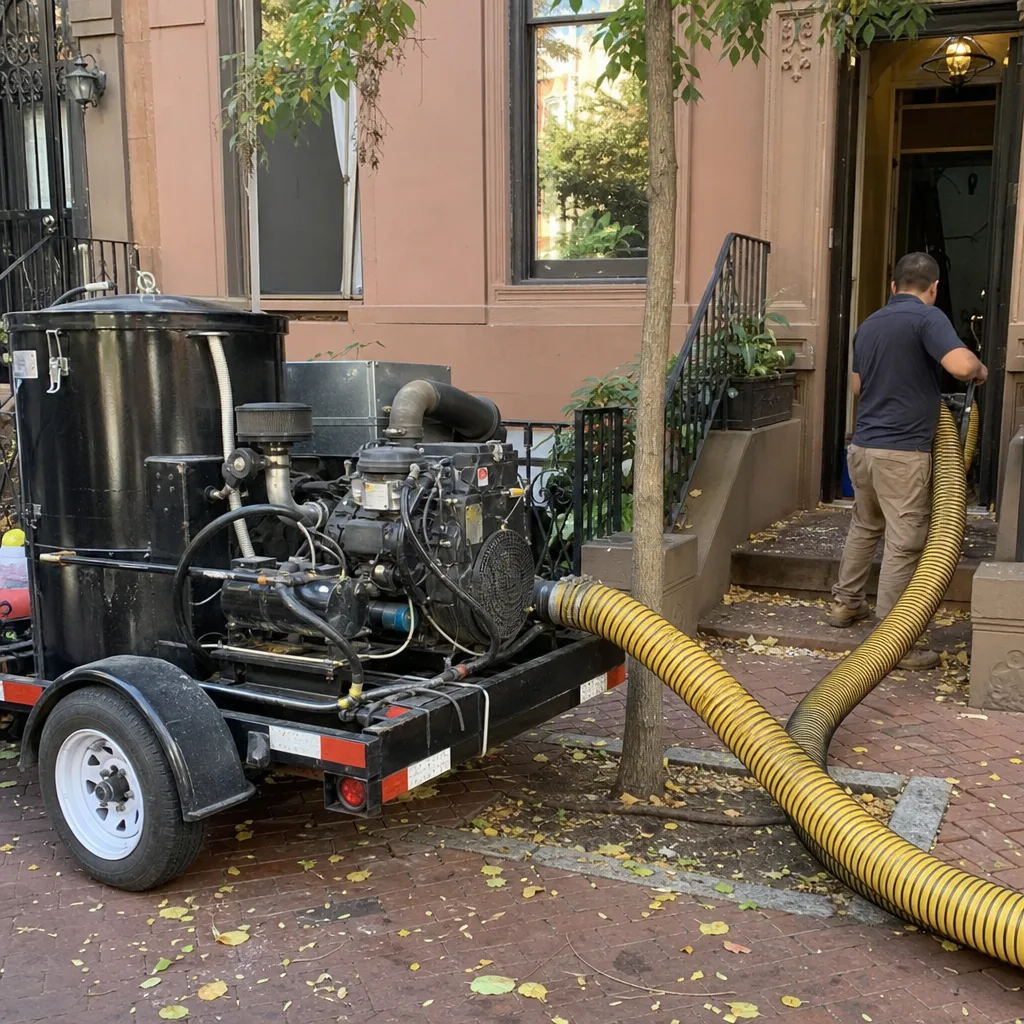
Last updated November 22, 2026
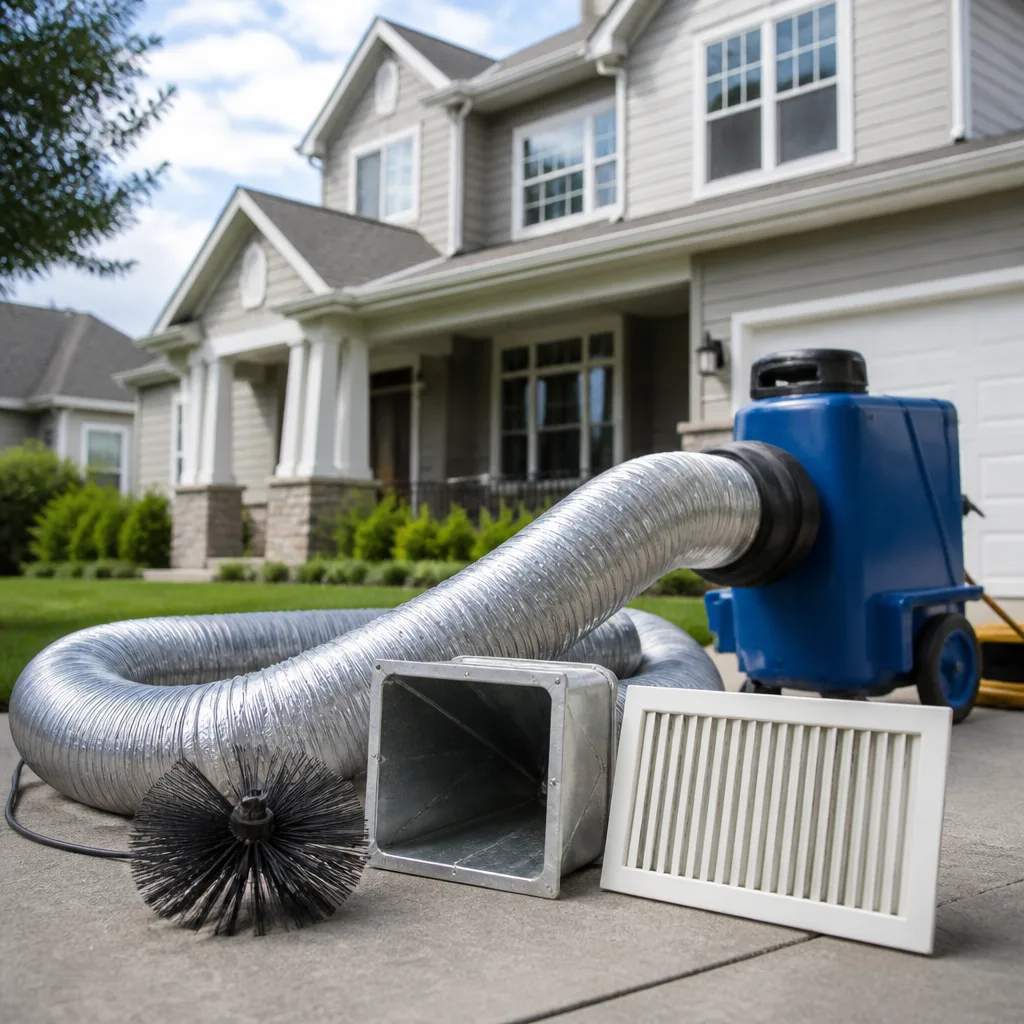 Whole-home duct cleaning
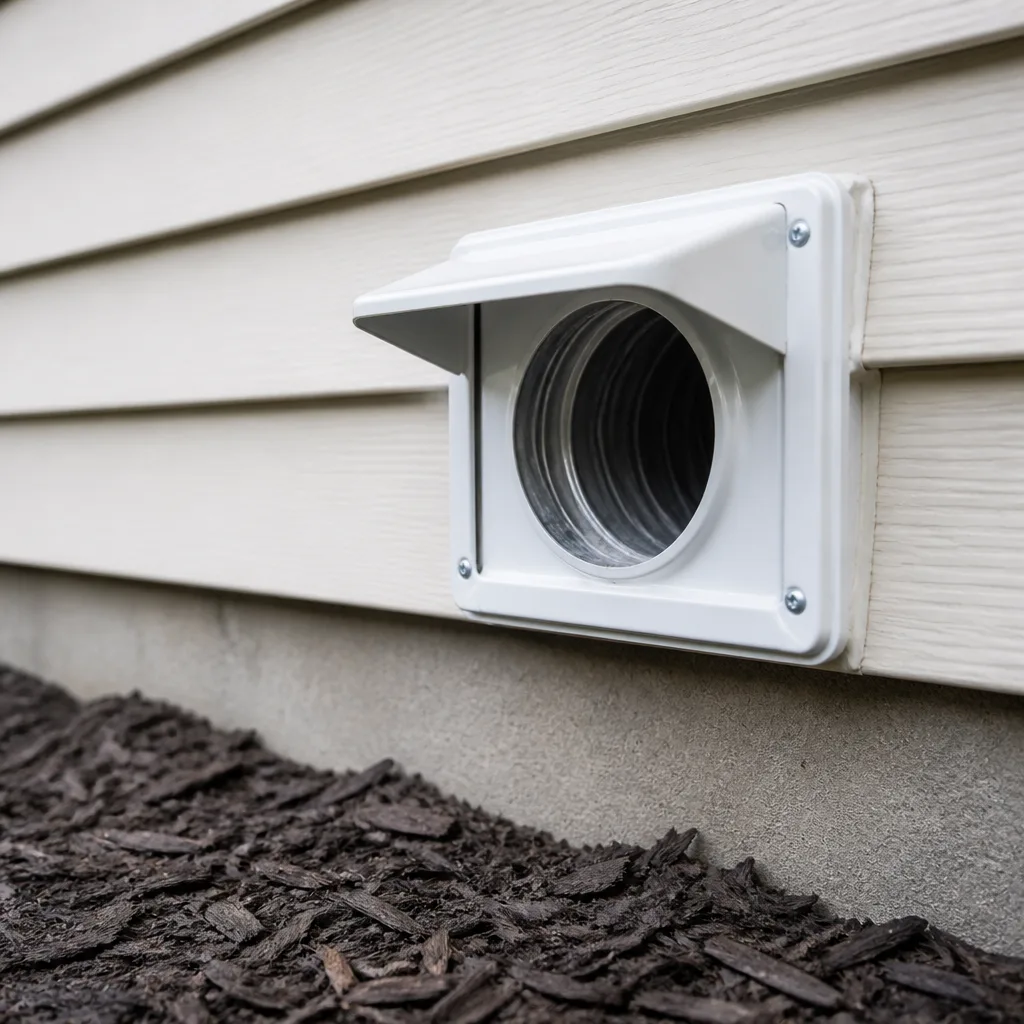 Dryer vent cleaning
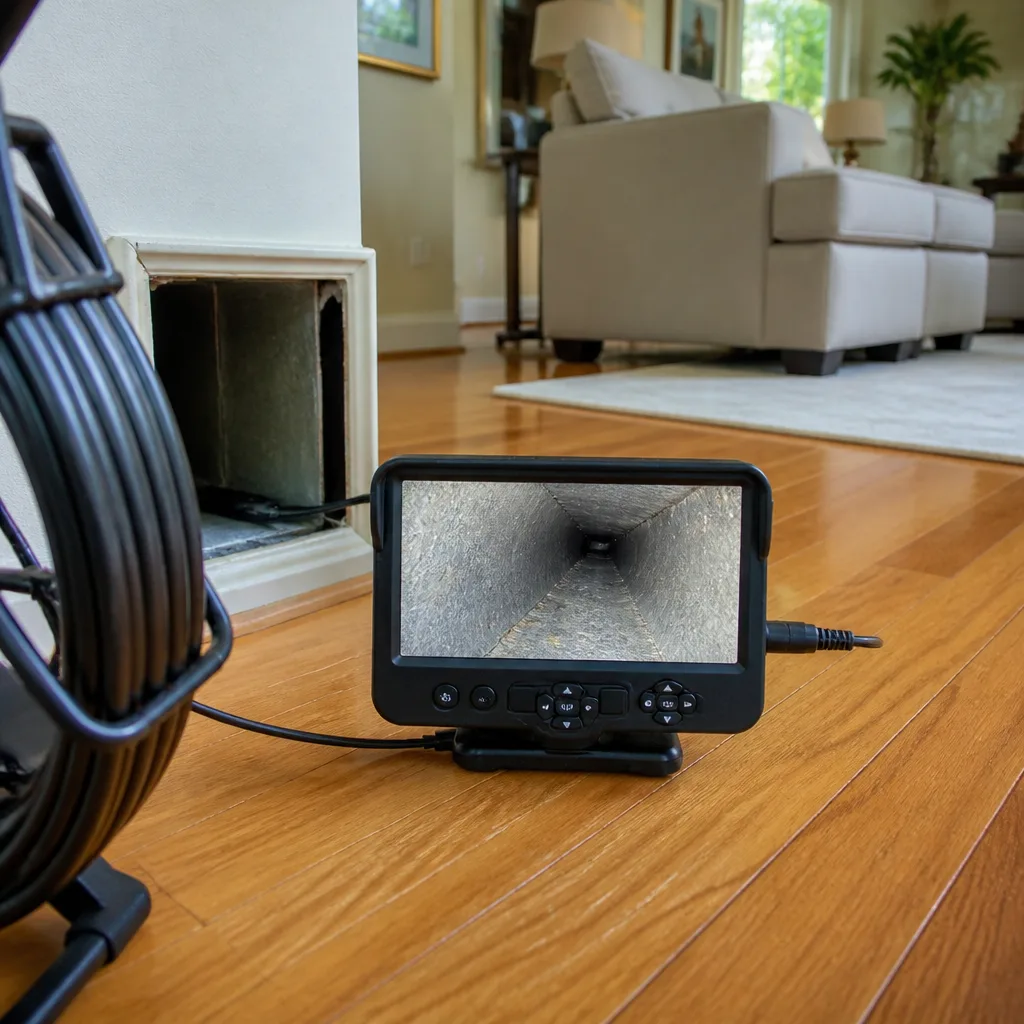 Camera inspection
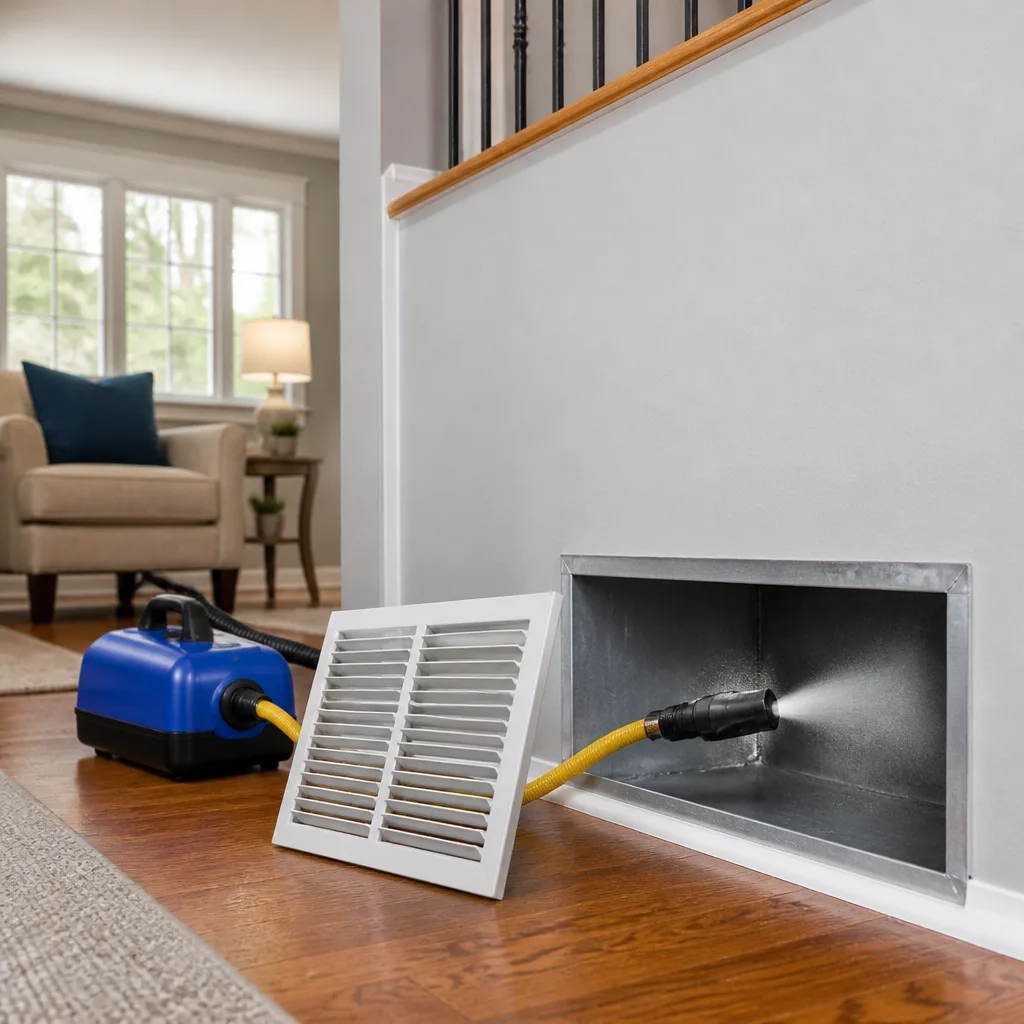 Sanitizing & deodorizing
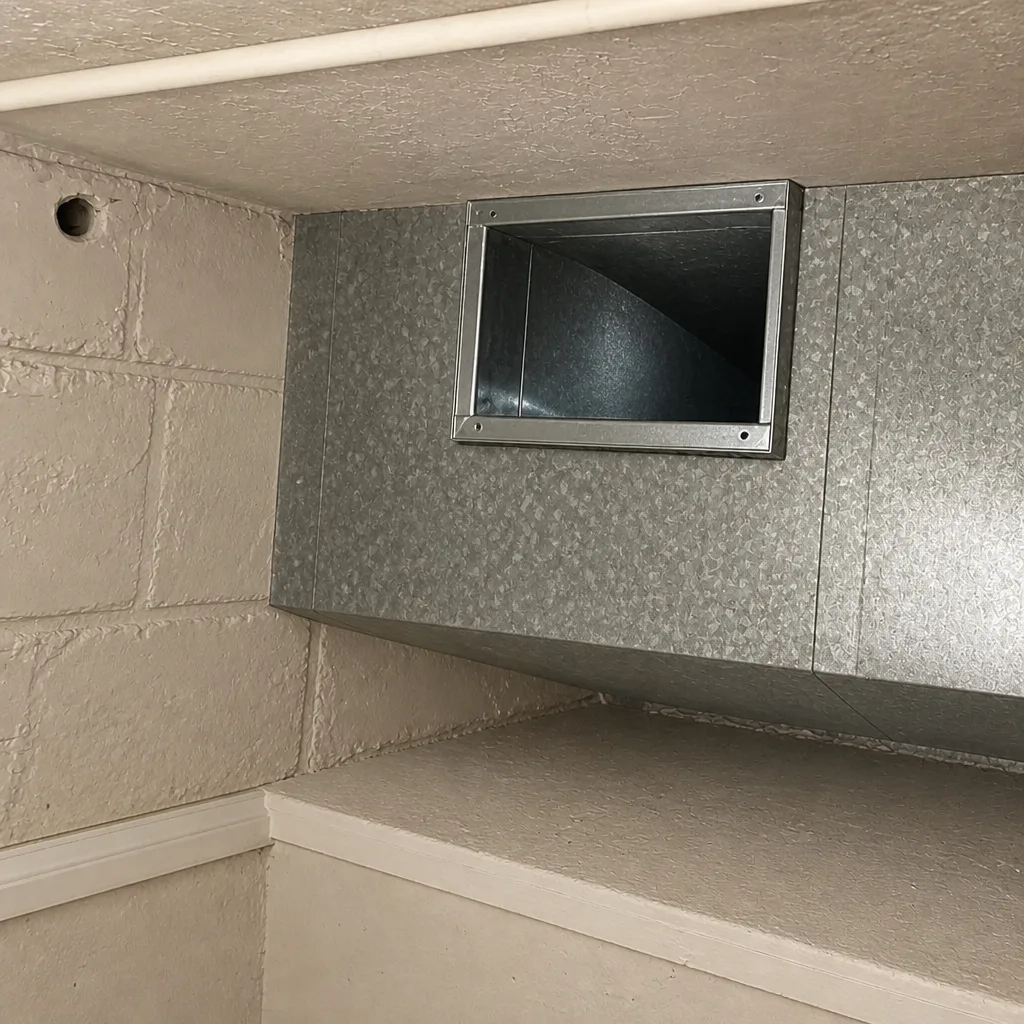
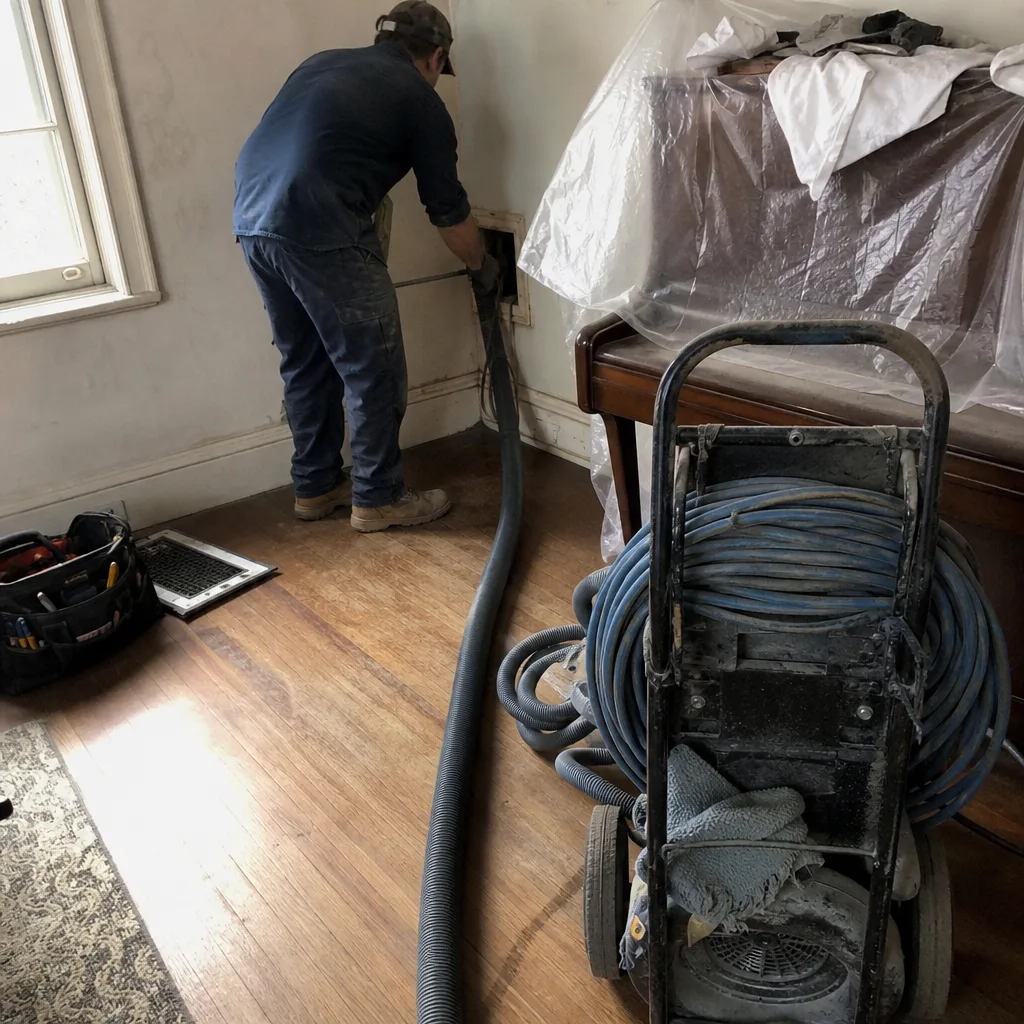
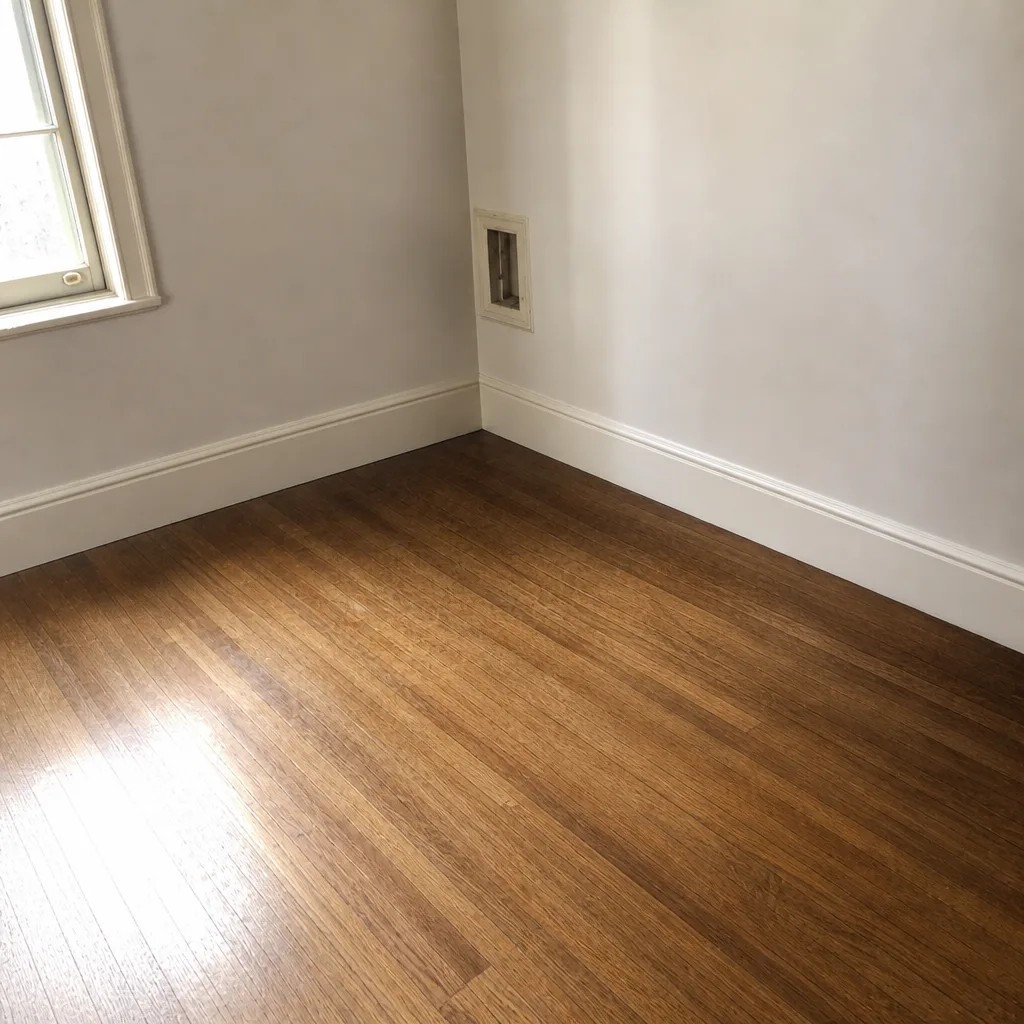
Whole-system duct and dryer vent check with before-and-after photos - you see exactly what came out of your vents
That "$99 whole-house special" is a bait ad - the real number appears once they are in your hallway, or the "clean" is a shop-vac at the register. We photograph the inside of your ducts before and after instead.
DIY vs Professional Air Duct Cleaning: The Greenwich Village Homeowner’s Decision Guide
Here’s the part most advice skips: a store-bought shop vac and a vent brush don’t clean a duct, they stir it. Loose debris that had settled quietly along the bottom of a run gets lifted into the airstream and carried toward the rooms you’re trying to protect. And a partial attempt leaves you worse off than before you started. This guide explains the airflow physics behind that, shows what professional equipment actually does differently, and tells you the handful of tasks around a Greenwich Village apartment or townhouse that are genuinely worth doing yourself. If you want the short version and the reasoning, keep reading.
Styles & brands we work with
- Whole-home duct cleaning
- Dryer vent cleaning
- Camera inspection
- Sanitizing & deodorizing
Quick Answer
For most Greenwich Village homeowners, professional air duct cleaning is the right call because consumer equipment reaches only the first few feet of each duct run and can push disturbed particulate into living spaces without proper containment. DIY makes sense only for surface tasks: register and grille cleaning, filter changes, return-air compartment wipe-downs, and visual inspections. Anything involving deep duct debris, post-renovation dust, or suspected mold should go to a crew with negative-air equipment.
Table of Contents
- The Airflow Physics of Duct Cleaning: Why CFM and Static Pressure Matter
- What You Can Legitimately Do Yourself
- The Containment Problem No DIY Setup Replicates
- Three Scenarios Where DIY Is Especially Risky
- The Real Cost Comparison: Full-Cycle Cleaning vs a DIY Attempt
- What a Professional Full-Cycle Cleaning Actually Involves
- Greenwich Village Context: Older Buildings, Renovations, and Shared Ducts
- Common Mistakes to Avoid
- When to Call a Professional
- Frequently Asked Questions
- The Bottom Line
The Airflow Physics of Duct Cleaning: Why CFM and Static Pressure Matter
Duct cleaning is a moving-air problem before it’s a scrubbing problem. To lift settled dust from the bottom of a duct run and carry it out of the system, you need enough airflow volume, measured in cubic feet per minute (CFM), and enough vacuum strength at the far end of the run, which is a function of static pressure. Both fall off quickly as the run gets longer, narrower, or more complex.
A consumer shop vac rated for household use might pull a few hundred CFM at the nozzle. That’s plenty for a floor spill and nowhere near enough for a 20-foot duct run feeding a bedroom register. As air moves through a long, low-volume duct, friction along the walls drops the pressure, and the debris settles back down before it reaches the collection point. You’ve spent an hour and moved the dust ten feet closer to the register.
Professional systems like Rotobrush and Nikro are purpose-built for this problem. Rotobrush is a rotary-brush agitation-and-extraction system: a spinning brush dislodges debris from the duct walls while a high-volume vacuum pulls it out, and the two work together so dust doesn’t re-settle. Nikro equipment, the same manufacturer specified in NADCA-compliant commercial projects, delivers the airflow and static pressure needed to move debris through the full run instead of just the visible portion. That’s the difference that shows up in the work, not in a specification sheet.
There’s a second physical fact that matters: every time you open a register to clean, you create a pressure differential. If the HVAC system is running, or if you’ve disconnected a section and let room air into the duct, a partial DIY attempt can push unsettled debris backwards through the return side and into the living space. In a Greenwich Village brownstone where return ducts share a common chase with supply runs, that backflow has nowhere safe to go.
What You Can Legitimately Do Yourself
We’re not going to tell you to sit on your hands until a truck pulls up. There are real, useful tasks a careful homeowner can handle, and they make the professional job easier when that time comes.
- Clean the supply registers and grilles. Take each register cover off, wash it in the sink with warm soapy water, dry it fully, and put it back. This removes the visible dust mat that sits at the delivery point and stops it from blowing into the room the next time the system cycles on.
- Change the filter on schedule. This is the single biggest thing you can do for indoor air quality. A clogged filter raises static pressure across the whole system, which is exactly the condition that starves airflow in the ducts. Check monthly during heavy-use months, more often if you have pets.
- Wipe down the return-air compartment. The return-air box, the space just behind the return grille before the filter, collects dust and cobwebs. A damp cloth, a HEPA-filter vacuum, and a soft brush handle it safely. Don’t stick anything long or rigid into the return opening.
- Do a visual inspection. A flashlight held at an angle or your phone camera on a selfie stick, run into a register boot as far as it will go, shows you surface condition without disturbing much. Take a few photos. You’ll want them for reference when you talk to a professional.
- Keep return grilles clear. Furniture, cardboard boxes, and stacked belongings pressed against return grilles throttle airflow and stress the system. Move them.
Those tasks are safe, helpful, and repeatable. What they don’t do is clean the inside of the duct run itself, and that’s the part that quietly accumulates over years.
The Containment Problem No DIY Setup Replicates
The bigger you scale up vacuum power, the more important it becomes to control where the air is moving. A professional crew doesn’t just clean a duct; it isolates the work area from the living area so debris can’t escape into the room.
That’s what negative-air containment is, and it’s the reason we run Abatement Technologies equipment on every job. These are the same negative-air and filtration units used in mold and hazardous-material remediation, and they do a specific thing well: they create a pressure differential that pulls air (and airborne debris) into the work zone rather than out of it. The registers are sealed, the collection point is under negative pressure, and the living space stays at neutral pressure so nothing crosses over. When you open a register to clean, the room is protected.
No DIY setup replicates that. Here’s why, in plain terms:
- A shop vac creates localized suction, not a room-level pressure gradient.
- Sealing registers without a negative-air unit just traps disturbed debris inside the wall or chase.
- Consumer HEPA vacuums filter the air they draw in, but they can’t hold a pressure differential across a doorway.
For a Greenwich Village apartment with shared walls and original plaster, cross-contamination is a real concern. A partial attempt that kicks dust into a hallway or ceiling cavity turns a routine cleaning into a repair project. Containment is the difference between removing the problem and relocating it.
Three Scenarios Where DIY Is Especially Risky
Most homes can tolerate a light surface effort. A few situations genuinely call for a professional, and it’s worth knowing which one you’re staring at before you open a register.
1. Post-Renovation Debris
After a renovation, ducts collect construction dust, drywall particles, sawdust, and fine silica grit. That mix has a different weight and texture than ordinary household dust: it’s heavy, abrasive, and it settles deep. Consumer equipment can’t pull it out of a long run, and disturbing it with a brush pushes it toward your living space. Greenwich Village’s many pre-war walkups and brownstones are constantly in renovation, so this comes up often. A professional job uses HEPA-rated negative-air equipment and a full-cycle extraction so construction dust is pulled out, not redistributed.
2. Suspected Mold
If you smell a musty odor near a register or see visible growth inside a duct, stop. Mold spores are small enough to pass through most consumer filters, and any agitation without proper containment spreads them further into the air you breathe. Mold remediation requires negative-pressure containment and HEPA filtration, which is exactly what our Abatement Technologies setup provides. It’s not a task for a shop vac and a face mask.
3. Older Duct Liner Materials
Many older buildings use interior duct liner, a fibrous acoustic material that dampens noise in the system. When that liner ages, it can become friable, meaning it crumbles and fragments under mechanical contact. A rotary brush at full speed can tear a fragile liner apart, releasing fibers into the airstream. A trained crew knows how to adjust brush pressure and speed, when to switch from rotary to air-whip methods, and when to stop and recommend that the liner be repaired or replaced. In a Greenwich Village co-op with 1920s-era ductwork behind the walls, this matters. Our HVAC cleaning process is built around that judgment call.
The Real Cost Comparison: Full-Cycle Cleaning vs a DIY Attempt
The tempting math on DIY is “a shop vac rental and an afternoon versus a professional invoice.” That math leaves out the failures, and it also leaves out that a partial attempt frequently has to be redone. Here’s the honest comparison, framed as what each path typically delivers.
| Factor | DIY Attempt | Professional Full-Cycle |
|---|---|---|
| Equipment cost | Shop vac rental or purchase, vent brush kit, HEPA filter, extension hose | Included in one flat price for the system |
| Time | Half a day to a full weekend for a typical apartment, more for a multi-return townhouse | A single scheduled visit |
| Coverage | First few feet of each register boot; the visible surfaces | Full duct runs, plenum, return chase, and equipment cabinet |
| Containment | None; dust can move into living space | Negative-air containment with sealed registers |
| Likely outcome | Surface visible dirt removed; settled debris largely unmoved | Measurable airflow restoration, documented before-and-after |
| Follow-up needed | Often a full professional cleaning anyway | Scheduled at a sensible interval based on your system |
The costs aren’t stated because pricing depends on the system, the number of runs, and the condition. What we can say is that the estimate is free and the price is agreed per system before any work begins, so there’s no surprise after the fact. That’s the whole point of a written estimate.
For the surface-level work described earlier, DIY wins on cost every time. For the deep cleaning of the duct runs, it usually doesn’t. Add a partial attempt that leaves the problem in place, and the “savings” become a second invoice down the road.
What a Professional Full-Cycle Cleaning Actually Involves
The phrase “duct cleaning” describes a range of work, and the range is what separates a full-cycle job from a one-step vacuum pass. Here’s how a proper visit runs.
- Inspection and photography. A technician opens registers, inspects the plenum, checks the equipment cabinet, and photographs the current condition. This is the reference point for before-and-after comparisons.
- Containment setup. Negative-air filtration units go in place, and registers are sealed so the work zone stays under negative pressure throughout the job.
- Filter and equipment cabinet cleaning. The blower, coil, and cabinet interior are cleaned as part of the same visit. Ducts that feed a dusty air handler stay dusty.
- Source removal with mechanical agitation. Rotary brushes and air whips run through each duct run, dislodging debris while the vacuum captures it under containment. Professional equipment does the work; the technician handles judgment.
- Return-side cleaning. The return chase is often the dustiest part of the system and gets the same treatment.
- Repair and sealing. Gaps, disconnected flex joints, and worn connections found during cleaning are sealed before the job closes. Our air duct cleaning Greenwich Village process includes this on the same visit.
- Sanitizing. If microbial activity is present, an air sanitizing treatment goes in after the ducts are clean, not before. Treating a dirty duct is wasted work.
- Documentation. Before-and-after photos are shared with the homeowner, and any findings that need follow-up (like a liner that’s starting to fragment) are flagged in writing.
Custom setups get consideration too. If you have a Honeywell or Aprilaire whole-home air quality system installed, the cleaning has to account for how those components interact with the ductwork. We work with both, which means the cleaning doesn’t create a compatibility concern you’d then have to resolve separately.
One service that’s often missing from the list: dryer vent cleaning. Lint accumulation in a dryer vent is a recognized residential fire hazard, and it’s rare for a strictly HVAC-focused cleaner to handle it because the vent isn’t part of the HVAC system. Including it in the same visit is a practical safety measure, not a bundle.
Greenwich Village Context: Older Buildings, Renovations, and Shared Ducts
Greenwich Village isn’t a typical air duct cleaning market, and anyone weighing DIY versus professional should know why. Most of the housing stock is older: brownstones, pre-war co-ops, and walkups built decades before central air was standard. That shapes the decision in a few specific ways.
For one, retrofitted HVAC is common. Systems were added later, which means duct runs are often shorter but more convoluted, routed through chases and closets rather than designed into a framed cavity. Convoluted runs are harder for any vacuum to clear end-to-end, so the gap between what consumer equipment can reach and what the job requires is wider than it would be in a newer build with straight, purpose-built ducts.
Second, renovations are frequent. Village apartments change hands and get gut-renovated constantly, and every one of those projects sends construction dust into the ducts of that unit and, sometimes, units nearby. If your building has had work done in the last year, plan on a professional cleaning before the next heating season rather than a DIY attempt.
Third, shared chases and party walls. In a walkup where supply or return ducts run through a shared ceiling cavity, a partial DIY job can push dust out of your unit and into an adjoining one. That’s a neighbor relationship problem no homeowner wants, and it’s why proper containment is even more important here than in a detached house.
Finally, the sheer diversity of systems. A studio co-op off Bleecker and a four-story townhouse near Washington Square Park might both be in Greenwich Village, but their duct setups have almost nothing in common. Professional judgment matters more than a checklist when the systems vary that much.
Common Mistakes to Avoid
- Attaching a brush to a shop vac and calling it cleaning. The suction isn’t strong enough to carry debris through a full run. It loosens dust, then leaves it settled a few feet closer to the register.
- Cleaning while the system is running. Airflow from the HVAC pulls disturbed debris straight into the living space. Any cleaning should happen with the system off and the registers sealed.
- Skipping containment in a shared building. In a Greenwich Village walkup, dust that escapes your duct doesn’t disappear, it becomes your neighbor’s problem. Seal the registers before you open anything.
- Brushing a fragile duct liner. Old fibrous liner can fragment under mechanical contact. If a duct has liner and it’s aged, stop and get an inspection before touching it.
- Treating a musty smell with air freshener or a plug-in. Odor is a symptom of microbial growth. Masking it doesn’t address the source, and it delays real remediation.
- Believing one “duct cleaning” coupon equals a full job. The bait-and-switch reputation of this trade comes from low headline prices that stop at the visible register surfaces. Ask what the price includes before you book.
- Cleaning ducts but not the dryer vent. The dryer vent is a fire hazard entirely separate from the HVAC system, and many cleaners don’t touch it. Add it in the same visit if you can.
When to Call a Professional
There are clear signals that DIY isn’t the right move. Call us if you’re seeing any of the following: construction or renovation dust in a register within the past year, a persistent musty odor near a vent, visible growth or dark staining inside a duct, complaints of worsening allergy symptoms that seem tied to the HVAC system, noticeable airflow loss at registers, a system that hasn’t been cleaned in several years, or an aging duct liner you aren’t sure about.
If you’re unsure, a visual inspection is a reasonable first step. Once you’ve seen the condition and you know the run route, the decision tends to make itself. Air Duct Cleaning Greenwich Village offers free estimates in Greenwich Village: call (855) 337-2008. Our technicians have up to 9 years of experience, and the local pro we connect you with is licensed and insured as their state requires. We answer 24/7. Fast dispatch from 7am to 7pm, Sunday through Friday.
Frequently Asked Questions
Yes, for surface tasks: register and grille cleaning, filter replacement, return-air compartment wipe-downs, and visual inspection. Those are safe, helpful, and easy to do. They don’t clean the interior of the duct runs, which is where the settled debris accumulates. Call (855) 337-2008 if you want a professional opinion on the deeper work.
Pricing depends on the system size, the number of runs, and the condition of the ducts. We set the price per system on a free written estimate before any work begins, so there’s no surprise invoice after the crew is on site. Call (855) 337-2008 for an exact quote. Estimates are free.
Cheap quotes typically stop at the visible register surfaces, or price by the vent rather than by the system, so the price grows as the job goes on. Those “budget” jobs rarely include containment, equipment cabinet cleaning, or repair and sealing of gaps found during the work. A full-cycle job with professional equipment, negative-air containment, and documented before-and-after photos costs more because it’s doing more. Call (855) 337-2008 to see what a full-cycle estimate looks like for your system.
Ask for before-and-after photos of your own ducts. A professional crew should be able to show the condition of each run entering and leaving the job, and to give you any findings in writing, including gaps sealed, sanitizing performed, and parts of the system that may need follow-up. Call (855) 337-2008 if you’d like to talk through what a documented job looks like.
Most homes can go several years between cleanings, but Greenwich Village’s older buildings and frequent renovations often shorten that. A post-renovation cleaning is usually worth doing regardless of the calendar. If you have pets, allergies, or a system you aren’t sure was ever cleaned, get an inspection. Call (855) 337-2008 and we’ll help you decide whether it’s time.
Yes. Our five-service scope includes cleaning, duct repair and sealing, and air quality and sanitizing, so gaps, disconnected joints, and microbial issues found during the cleaning are resolved on the spot rather than handed off to a second company. That’s the point of a full-cycle visit. Call (855) 337-2008 to discuss what your system needs.
The Bottom Line
DIY air duct cleaning can handle the light surface work: registers, filters, and visual inspection. It can’t handle the interior of the duct runs, and a partial attempt often causes more trouble than it solves because the equipment can’t reach the debris and can’t contain the disturbance. Professional cleaning with Rotobrush and Nikro systems, negative-air containment, and a full-cycle scope that includes repair, sealing, and sanitizing is what actually resolves the problem. In Greenwich Village, with its older buildings, frequent renovations, and shared chases, that distinction matters more than in most places. Do the easy parts yourself. Hand the deep work to a crew with the right equipment.
Call (855) 337-2008 for a free estimate. We answer 24/7. Fast dispatch from 7am to 7pm, Sunday through Friday. Every job gets one flat price per system agreed before the work starts, before-and-after photos of your own ducts, and a satisfaction guarantee from the independent local professional we connect you with. The estimate is free, the written price sets the final cost, and the local pro is licensed and insured as their state requires. If you’re weighing whether it’s time, that call is the easiest way to find out.
Written by the team at Air Duct Cleaning Greenwich Village.
See the difference
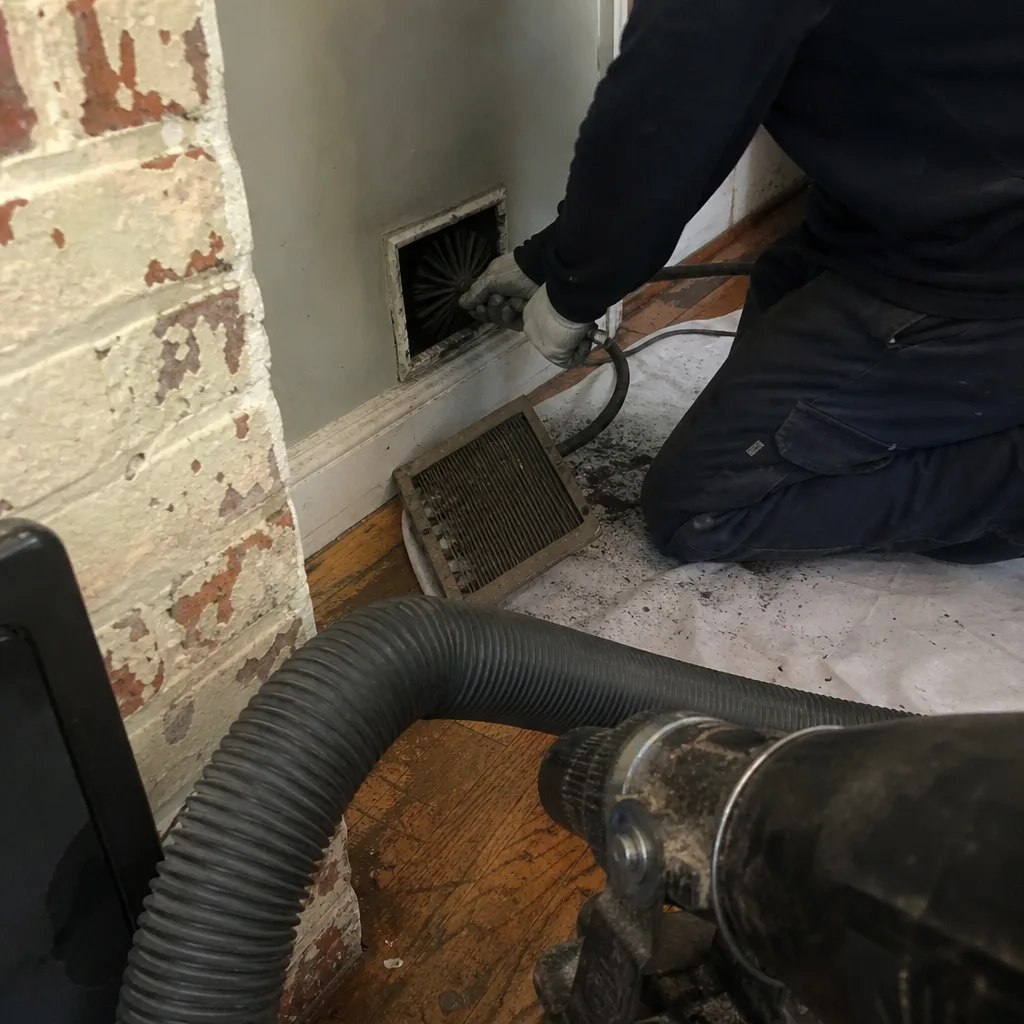 Before
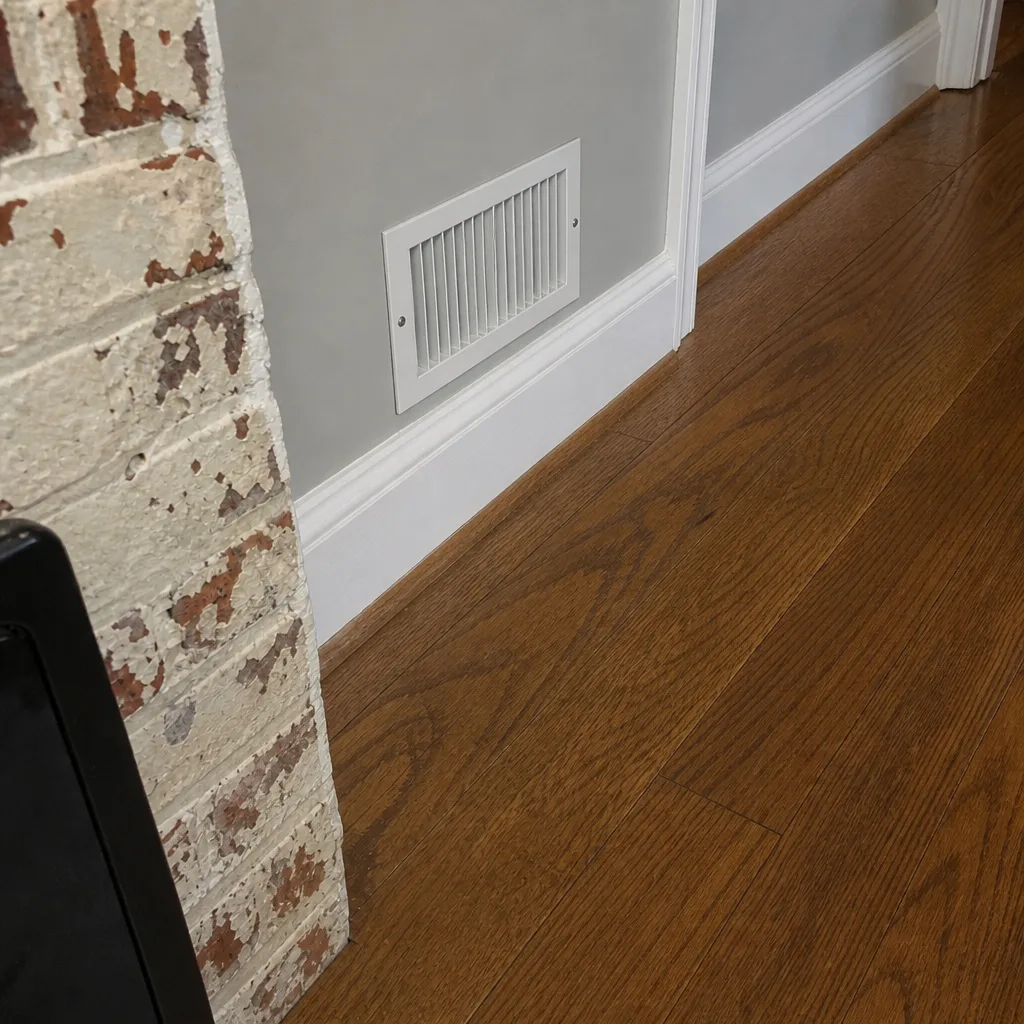 After
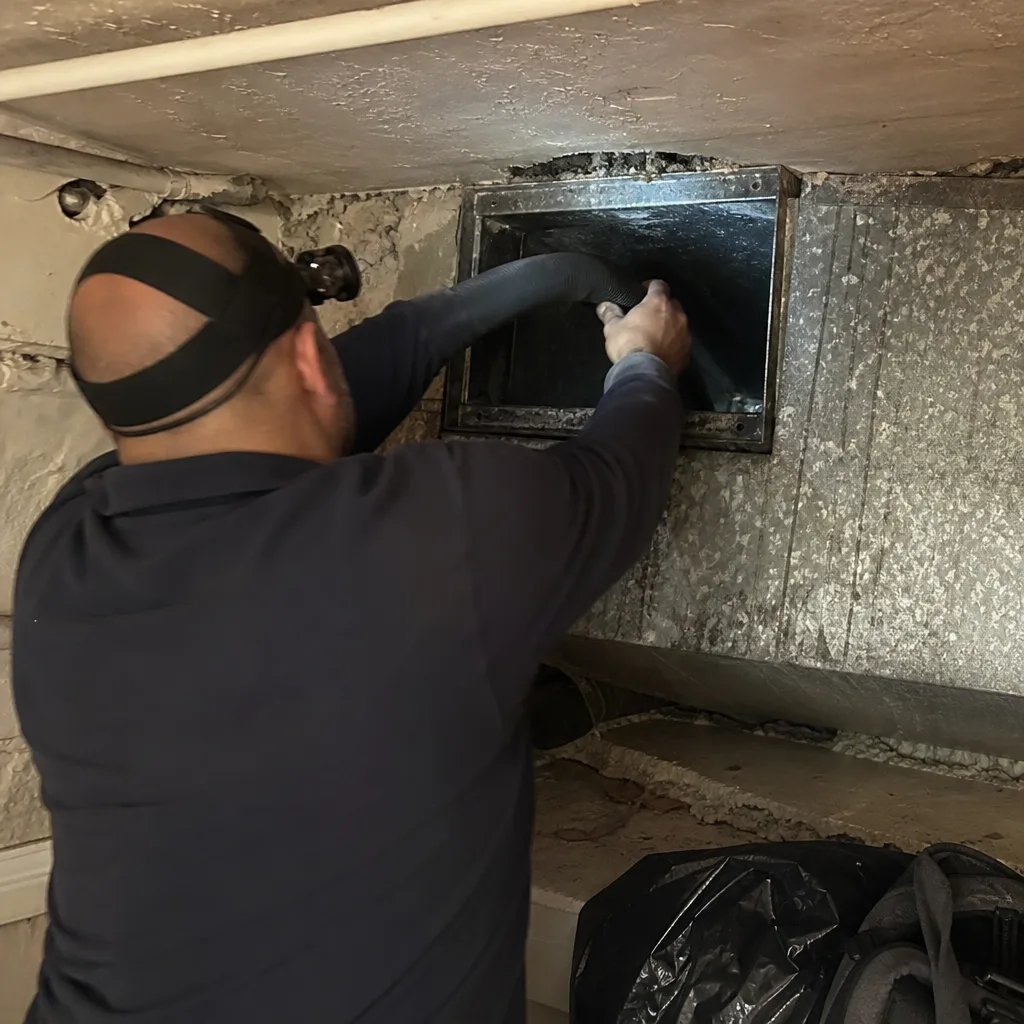 Before
 After
 Before
 After