
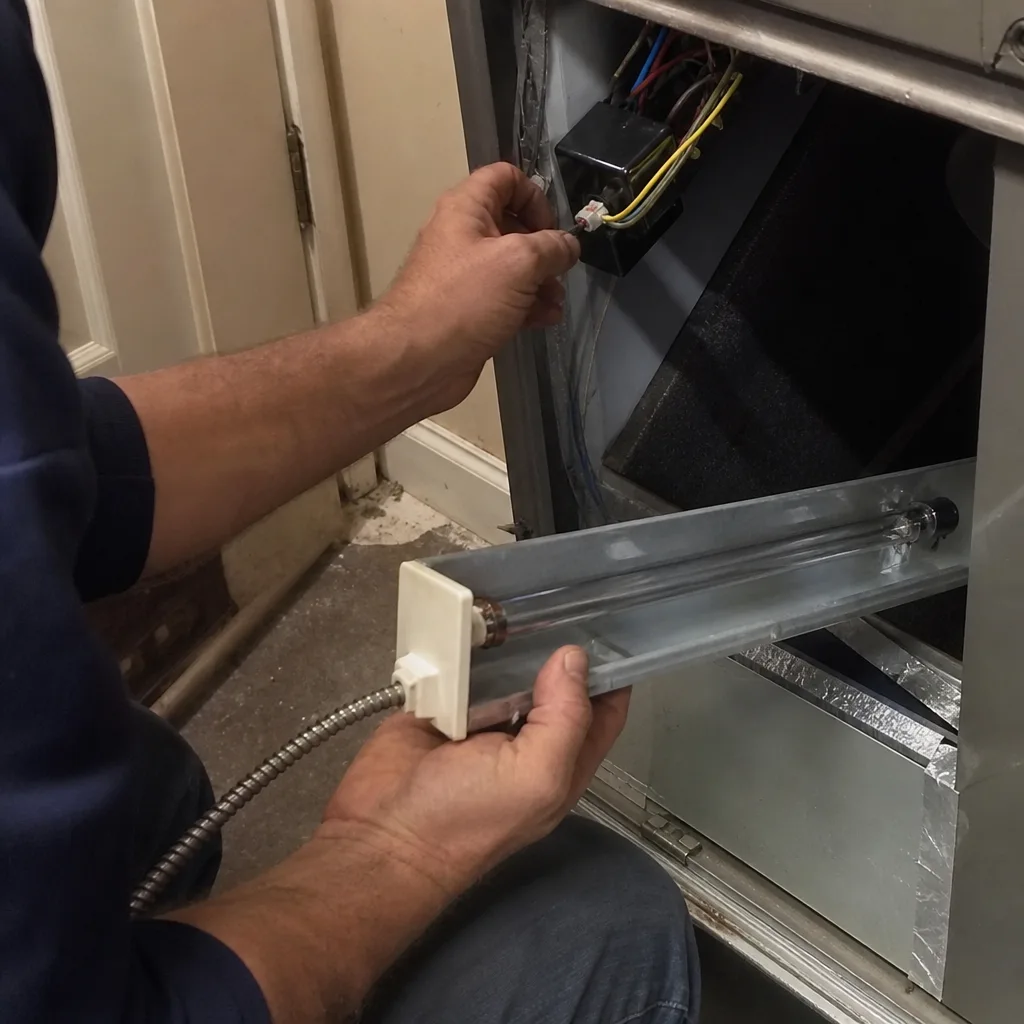
Last updated November 22, 2026
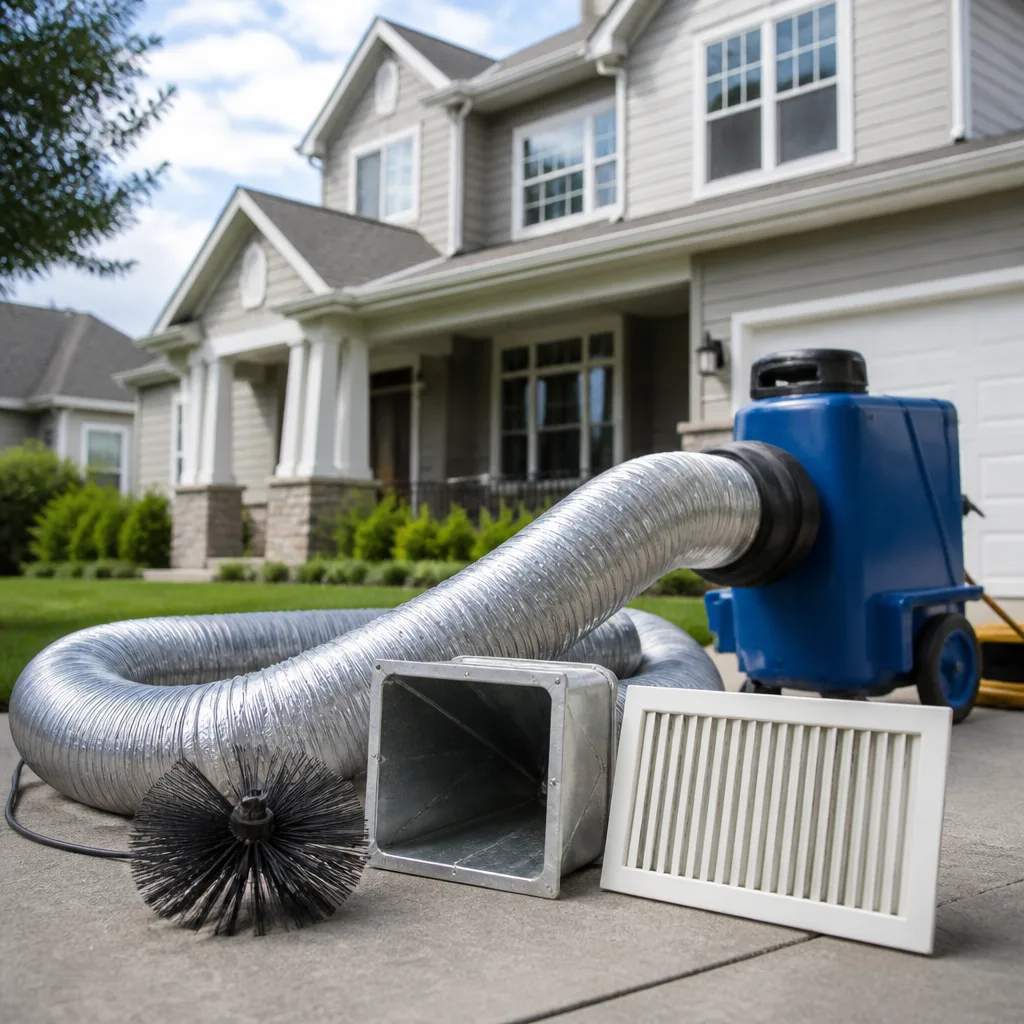 Whole-home duct cleaning
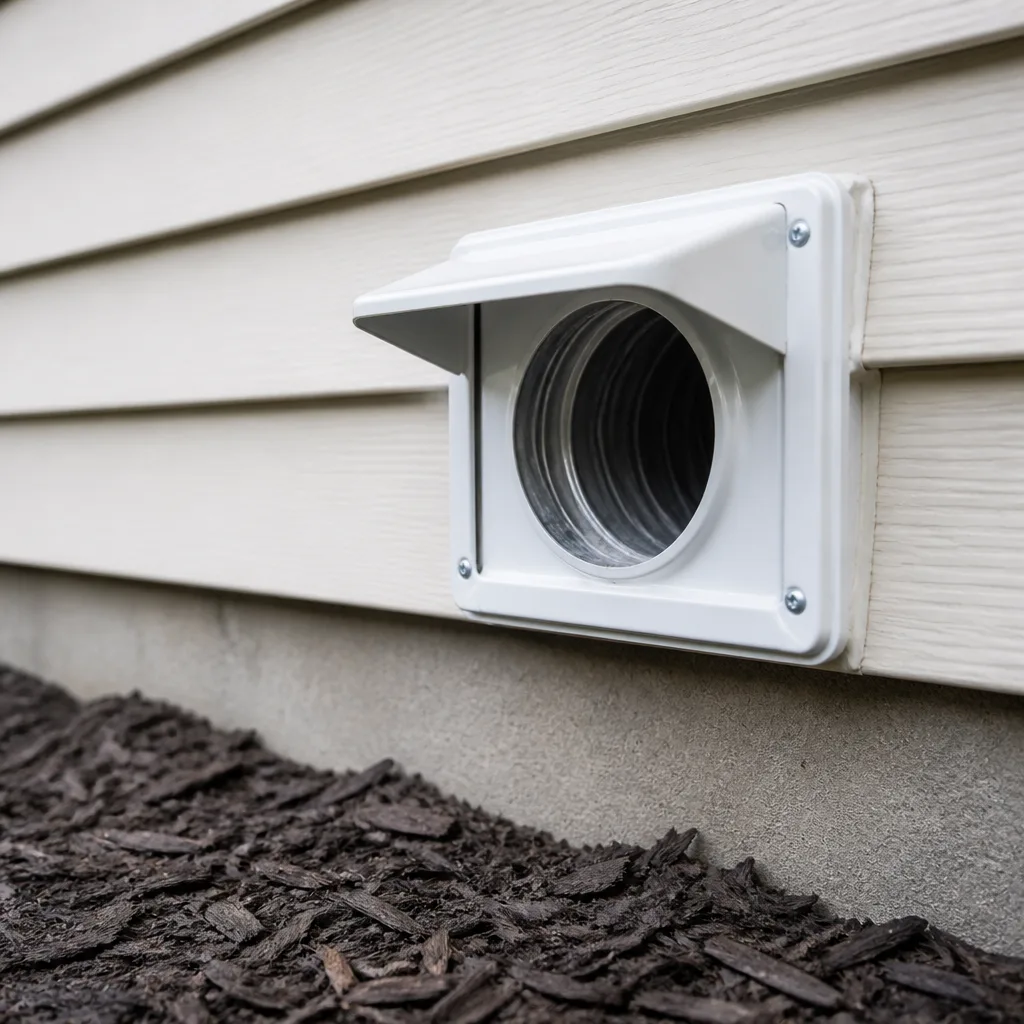 Dryer vent cleaning
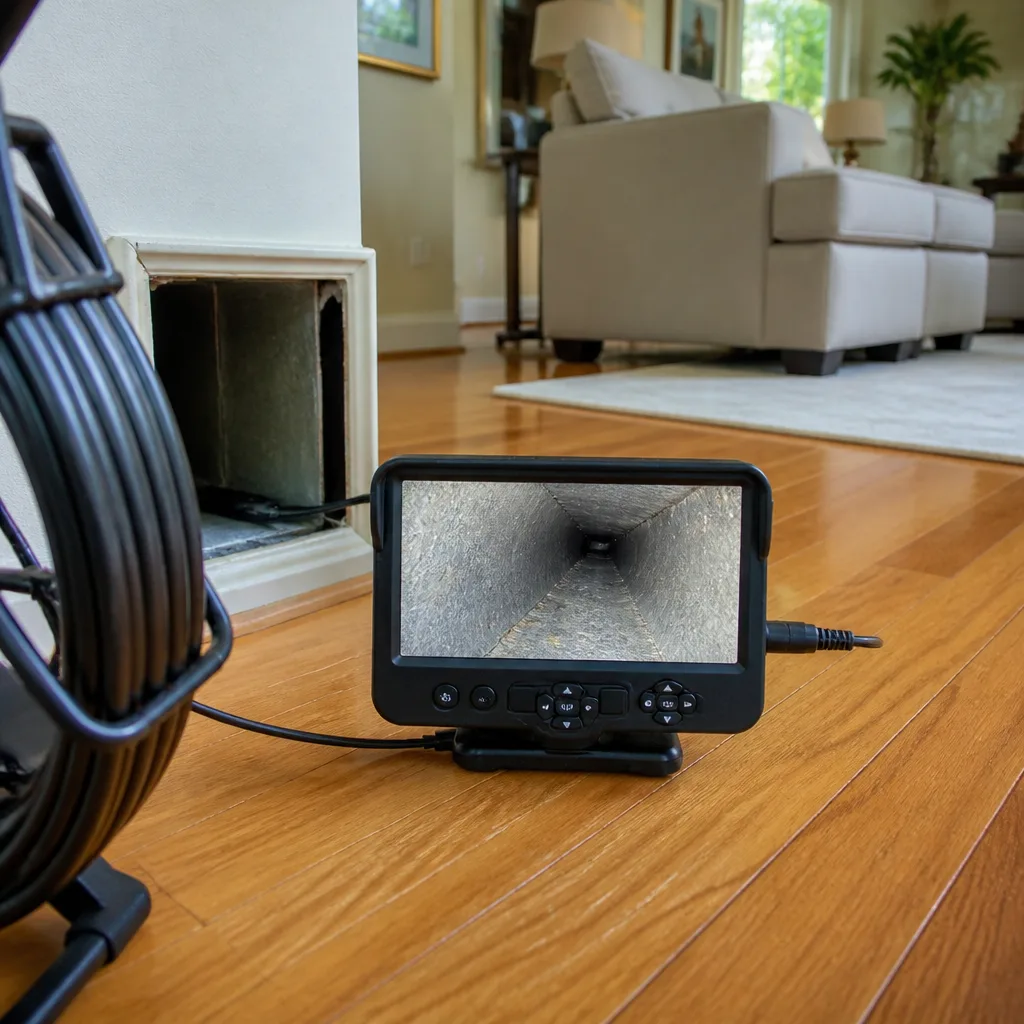 Camera inspection
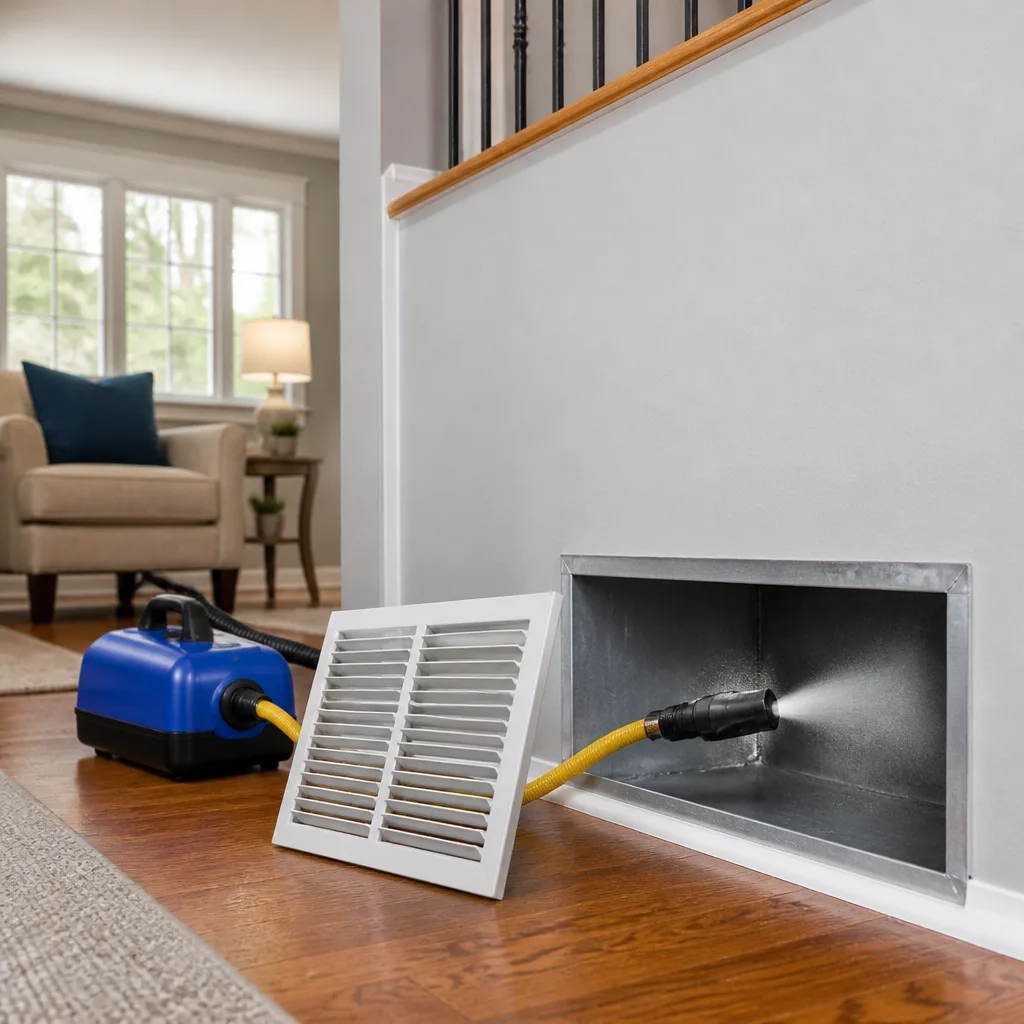 Sanitizing & deodorizing
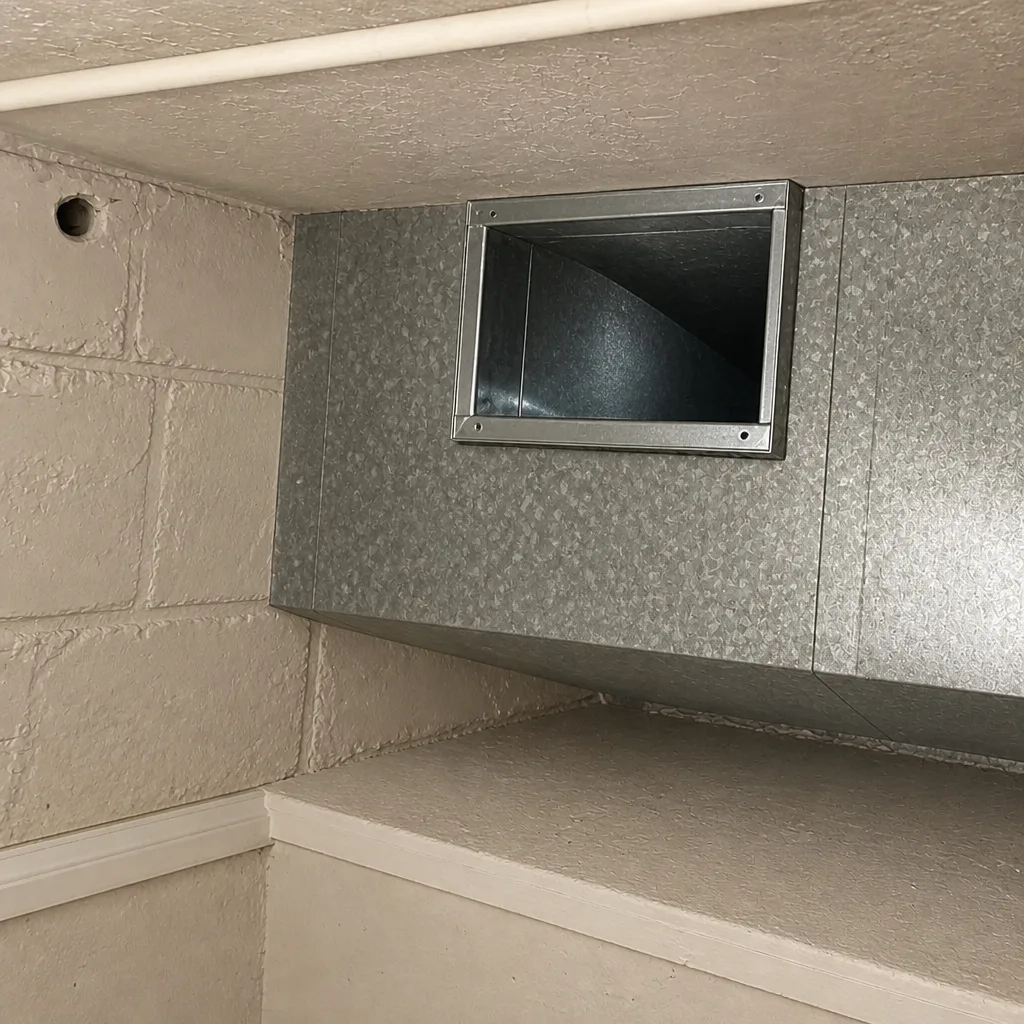
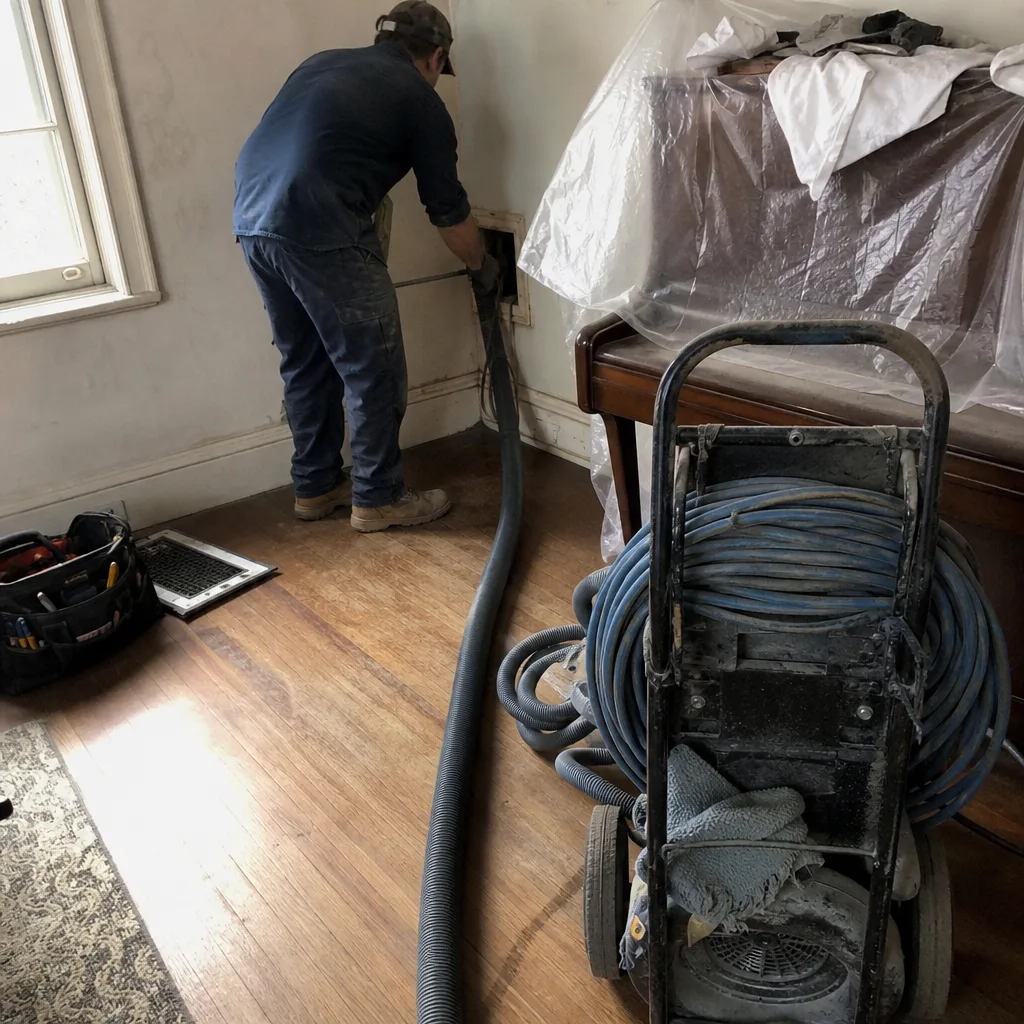
Whole-system duct and dryer vent check with before-and-after photos - you see exactly what came out of your vents
That "$99 whole-house special" is a bait ad - the real number appears once they are in your hallway, or the "clean" is a shop-vac at the register. We photograph the inside of your ducts before and after instead.
How to Hire an Air Duct Cleaning Contractor in Greenwich Village: A Step-by-Step Guide
If a contractor quotes you a flat rate over the phone without asking about your building type, how many units share your system, or what your ducts are made of, they haven’t gathered enough information to do the job correctly. That price will change once someone stands in your hallway and sees the real layout. In Greenwich Village that gap matters more than in most places, because much of the housing stock here is old, altered, and quietly complicated. Walk-ups with long riser runs, prewar co-ops where one riser serves several apartments, converted townhouses where a single-family layout became three units years ago. None of that fits a phone quote. What follows is the interview process we’d want a neighbor to use before letting anyone touch their ducts: the exact questions to ask, how to read a quote, and what a finished job should hand you on paper.
Quick Answer
To hire an air duct cleaning contractor in Greenwich Village, ask five technical questions before you book: what equipment they use, how they contain dust during the job, how they inspect before cleaning, what the quote includes line by line, and what documentation they leave behind. A contractor who answers all five specifically, and who quotes in writing after seeing your system, is a viable hire. One who quotes a flat price over the phone or can’t name their machines is not.
Styles & brands we work with
- Whole-home duct cleaning
- Dryer vent cleaning
- Camera inspection
- Sanitizing & deodorizing
Table of Contents
- The Five Technical Questions to Ask Before Scheduling
- Why NADCA Membership Matters (and Isn’t Enough)
- How to Read a Duct Cleaning Quote
- Building Access in Greenwich Village Co-ops and Condos
- Single-Service vs. Full-Cycle Contractors
- What You Should Receive After the Job
- When to Call a Professional
The Five Technical Questions to Ask Before Scheduling
The first conversation with a contractor tells you most of what you need. Not the sales pitch, the specifics. A crew that has done this work in tight prewar buildings answers without reaching for a script. A crew that hasn’t will drift toward generalities.
1. What equipment will you use in my home?
Ask for brand names. Professional duct cleaning runs on purpose-built systems: truck-mounted or portable negative-air machines, rotary brushes, and HEPA filtration. Consumer shop-vacs adapted for HVAC work don’t move enough air to agitate settled debris, and they can push dust into living spaces instead of pulling it out. Legitimate answers sound like Rotobrush, Nikro, or Abatement Technologies equipment. Our technicians have up to 9 years of experience, and the machines we work with are the same class of equipment specified in commercial remediation projects.
2. How do you contain dust during cleaning?
The correct answer involves negative-air pressure and containment: the work area is held under slight vacuum so loosened dust travels to the machine rather than into your rooms. Abatement Technologies negative-air units are the standard in restoration work for precisely this reason. If a contractor can’t tell you how they keep debris out of your bedroom, they’re planning to rely on wishful thinking.
3. What’s your inspection protocol?
Before cleaning, a competent contractor inspects. They should be looking at duct material, visible debris load, moisture, and gaps at connections. The inspection is also where they find the repairs a full-cycle provider can handle: leaks at joints, disconnected runs behind a cabinet, a rusty boot under a radiator.
4. What exactly does the quote include?
A real quote names the number of supply and return runs, whether registers and grilles get cleaned, what happens with the air handler, and whether sanitizing is optional or bundled. Flat phone prices almost always exclude something.
5. What will you leave me after the job?
Ask for before-and-after photos and a written summary. A contractor who documents their work expects to be judged on it. More on that below.
Why NADCA Membership Matters (and Isn’t Enough)
NADCA is the National Air Duct Cleaners Association, and membership signals that a company has agreed to a written standard of care for how ducts are assessed and cleaned. It’s a meaningful filter. It is also not a substitute for asking about equipment, because a company can hold membership and still send out a crew with the minimum setup.
What membership actually tells you
- The contractor has committed to an industry standard for inspection and cleaning
- They’re likely aware of containment and documentation practices
- They’re more likely to walk away from a job that doesn’t need cleaning
What it doesn’t tell you
It doesn’t tell you which machines will arrive at your door. It doesn’t tell you whether the crew can seal a leaking joint or handle a dryer vent, and it doesn’t tell you whether they’ll hand you photos when they finish. The equipment names matter because they’re specific. Rotobrush rotary-brush systems are built for agitation-plus-extraction in residential work. Nikro equipment is the same manufacturer specified on many commercial projects run to NADCA-compliant standards. When a contractor names those machines and explains how they’ll be used in your particular ducting, you’ve moved past box-checking into actual competence.
One more signal worth asking about: whether the contractor works with Honeywell or Aprilaire air quality systems. A crew that services whole-home filtration and humidification understands how ducts interact with the rest of your air equipment, and can advise on filter grade and cabinet condition honestly. That’s a rare combination in the duct-cleaning category, and it tells you the company thinks past the vacuum hose.
How to Read a Duct Cleaning Quote
A quote has two jobs. It should tell you exactly what’s being done for the money, and it should make it obvious what isn’t. The structure matters more than the number, because a clear itemized quote is the best defense against the bait-and-switch pattern this trade is known for. Any honest range in Greenwich Village’s market is presented per job, after an on-site look, and the written estimate sets the final price. Call (855) 337-2008 to arrange a free estimate.
What an itemized quote includes
- Count of supply runs and return runs to be cleaned
- Register, grille, and boot cleaning
- Air handler or blower compartment work, if needed
- Containment method being used
- Anything found during inspection that may need repair or sealing
- Optional sanitizing, priced separately
- Documentation promised at the end
Red flags in quote structure
- A flat price given before anyone has seen the ductwork
- Per-vent pricing that climbs once the technician counts your vents
- A quote that doesn’t mention containment at all
- Repairs discovered mid-job and priced without a written change
- Sanitizing bundled into the base quote without explanation
One flat price per system, agreed before work starts, is the arrangement that keeps a job predictable. In a Greenwich Village co-op, where a single riser might serve four units and the duct run behind a bathroom wall is not obvious from the street, that predictability is worth more than the bottom-line number on a phone quote.
Building Access in Greenwich Village Co-ops and Condos
If you live in a building, the contractor’s logistics matter as much as their equipment. Duct cleaning involves hoses, a negative-air machine, and a crew moving between rooms, which means stairs, hallway space, and a place to set up. In Greenwich Village these logistics are particular.
Questions specific to NYC building types
- Board and management approval. Most co-ops need an alteration agreement or at minimum a management-notification before a vendor does work inside an apartment. Ask your management company whether duct cleaning requires anything filed, and whether the contractor needs to submit proof of insurance to the building.
- Insurance and certificates of insurance. Ask the contractor whether they can provide a certificate of insurance naming your building or board as required. Ask your building office who needs the copy.
- Elevator scheduling. If your building has a service elevator, ask the building to book a window and confirm it with the contractor. Some buildings restrict equipment transport through passenger elevators, and hoses often need to come up the stairwell instead. Knowing this in advance prevents a crew standing in your lobby waiting.
- Noise windows. A duct-cleaning setup is not quiet. Ask the contractor how long the setup and takedown take, then give your neighbors a heads-up for that stretch. In a prewar building with thin walls, a half-day of machine noise is not a surpise you want them to discover.
- Access to the riser. If your unit shares a riser with neighbors, ask the contractor whether they need access to another apartment or the basement to work the run. Some buildings require the super to be present, and that needs arranging.
A contractor who’s worked in Greenwich Village often enough will ask you about the building before you bring it up. For a broader look at the service itself, our air duct cleaning Greenwich Village page lays out what a standard job in this area involves.
Single-Service vs. Full-Cycle Contractors
The biggest practical difference between contractors isn’t price. It’s scope. Most duct cleaners do one thing: they vacuum the ducts and leave. Everything else, from a leaking joint to a musty smell that won’t clear, becomes someone else’s job.
What a single-service contractor delivers
They arrive with a vacuum, they clean the runs on the work order, and they leave. If they find a gap at a supply boot or a disconnected flex duct in the ceiling cavity, they’ll tell you, and then you’ll need a second contractor to fix it. Any microbial growth inside a duct gets cleaned with the debris but isn’t treated.
What a full-cycle contractor delivers
Four things in one visit, in sequence: cleaning, repair and sealing, sanitizing, plus the related services that protect your air. A full-cycle provider is set up to handle:
- Air duct cleaning, including registers and boots
- Duct repair and sealing at joints and connections found during the job
- Air quality and sanitizing treatments for microbial growth and airborne contaminants
- HVAC cleaning, so the air handler and coil cabinet aren’t reintroducing debris downstream
- Dryer vent cleaning, which is a real fire risk in older buildings and which HVAC-only cleaners routinely decline
That last one matters in Greenwich Village. Dryer vent runs in prewar buildings are often long, and lint buildup in a shared chase is a problem building management should know about. If you’re evaluating a contractor whose scope stops at the ductwork, our dryer vent cleaning page explains why it’s worth asking whether they offer it. If they can service your Honeywell or Aprilaire system, that’s an additional sign you’re dealing with a full-cycle provider rather than a vacuum crew. For a look at the HVAC side specifically, see HVAC cleaning.
What You Should Receive After the Job
The job isn’t finished when the machine shuts off. It’s finished when you have evidence that a specific scope of work happened, and a record for later. Ask at the estimate stage what documentation will be provided, then hold the contractor to it.
What a legitimate contractor should leave with you
- Before-and-after photos. Not stock images, your ducts. Close-ups of the main trunk, a representative supply run, and the air handler if it was opened.
- A written summary of the cleaning scope. Number of runs cleaned, registers removed and cleaned, if sanitizing was applied and with what product.
- Repair and sealing notes. Whether any joints were sealed during the visit and where, so you know what was addressed.
- Condition findings on the system. Filter state, rust or moisture visible in the air handler, anything that suggests a follow-up. Written down so you can share it with a building super or a neighbor sharing the riser.
- Filter recommendation. What filter grade fits your system and how often to replace it. Higher-efficiency isn’t automatically better for an older air handler, and a contractor who knows your system should say so.
Documentation also settles the trust question. A homeowner who’s been burned by a cheap quote won’t wonder whether the cleaning actually happened if there are photos of their own duct interior before and after.
See the difference
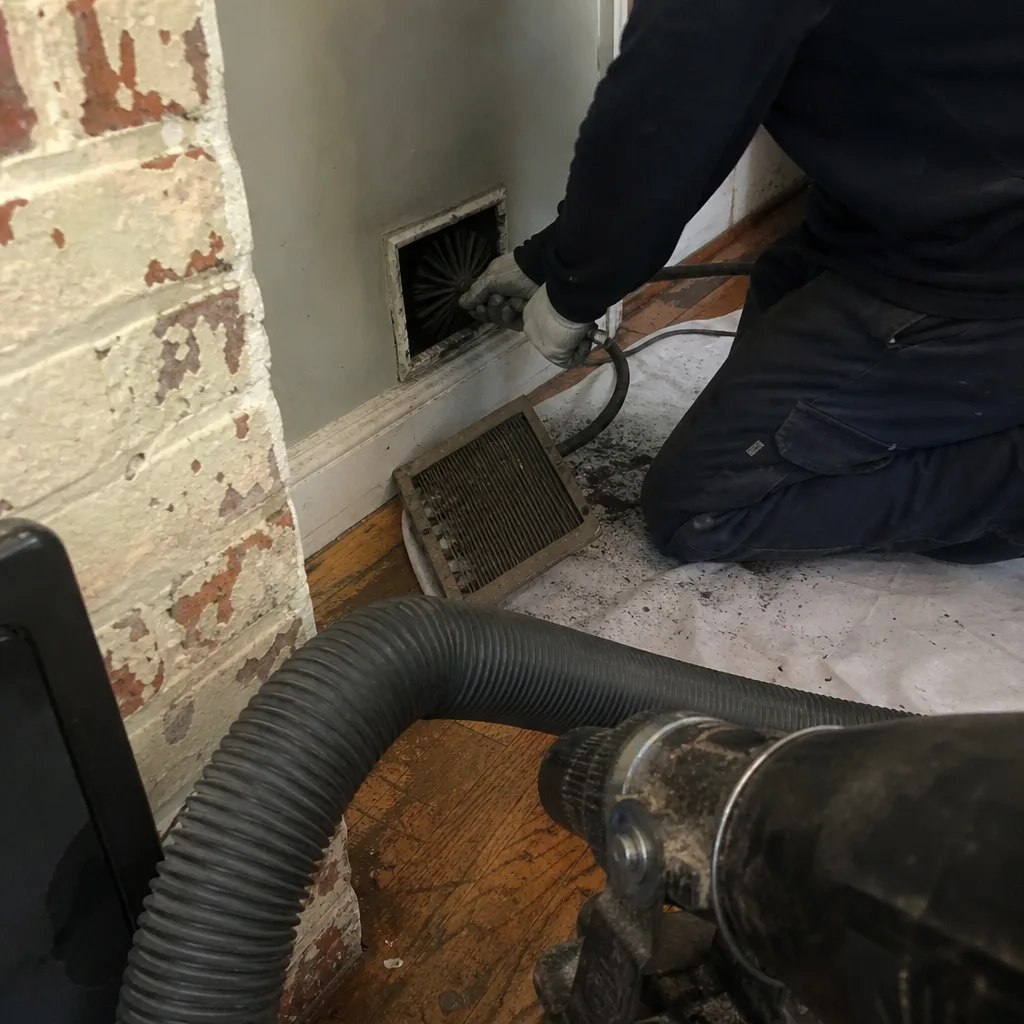 Before
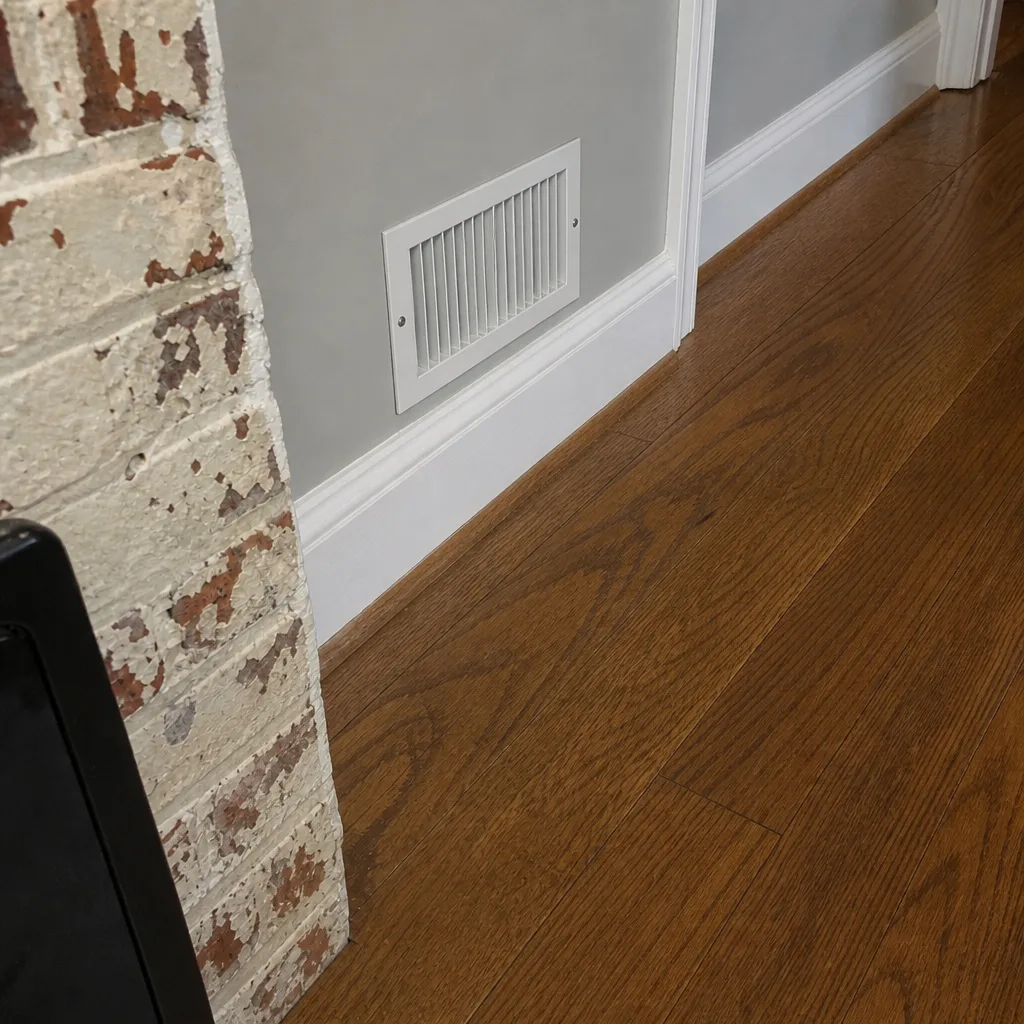 After
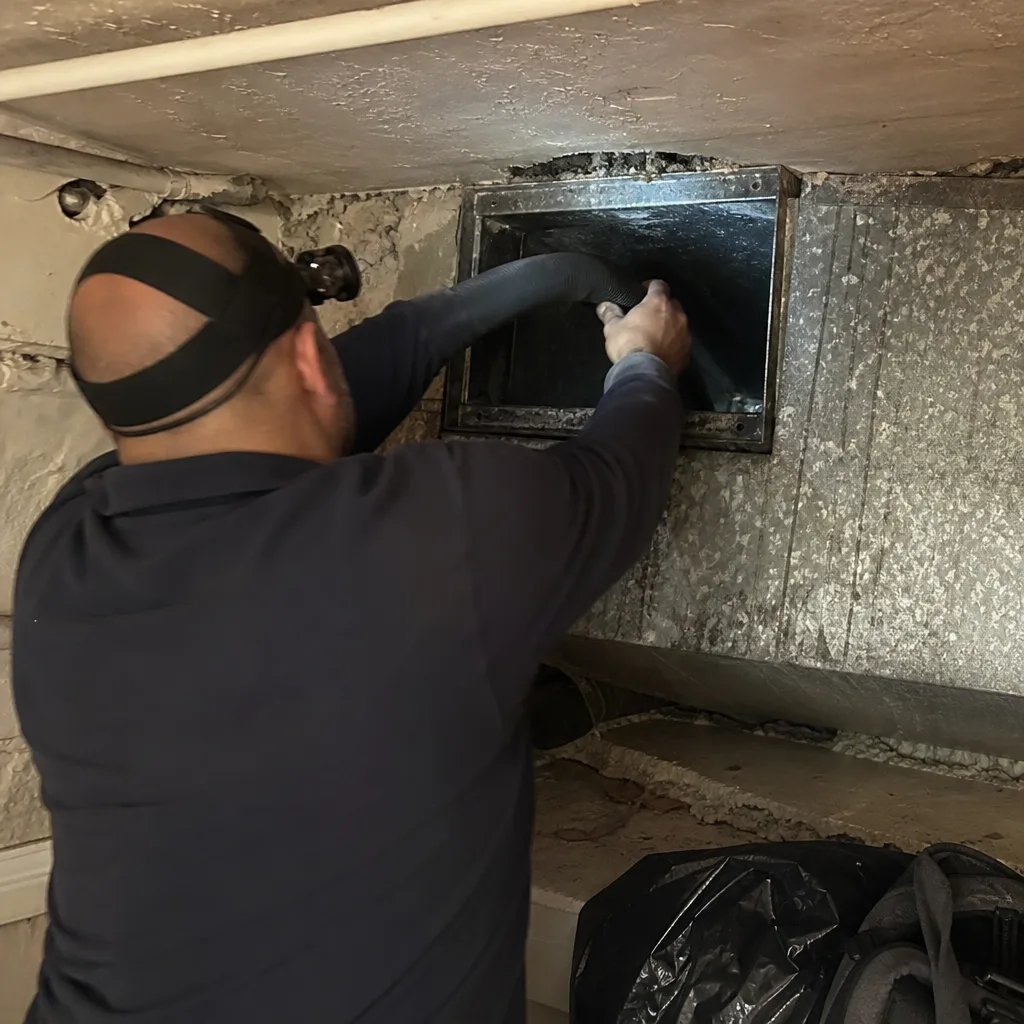 Before
 After
 Before
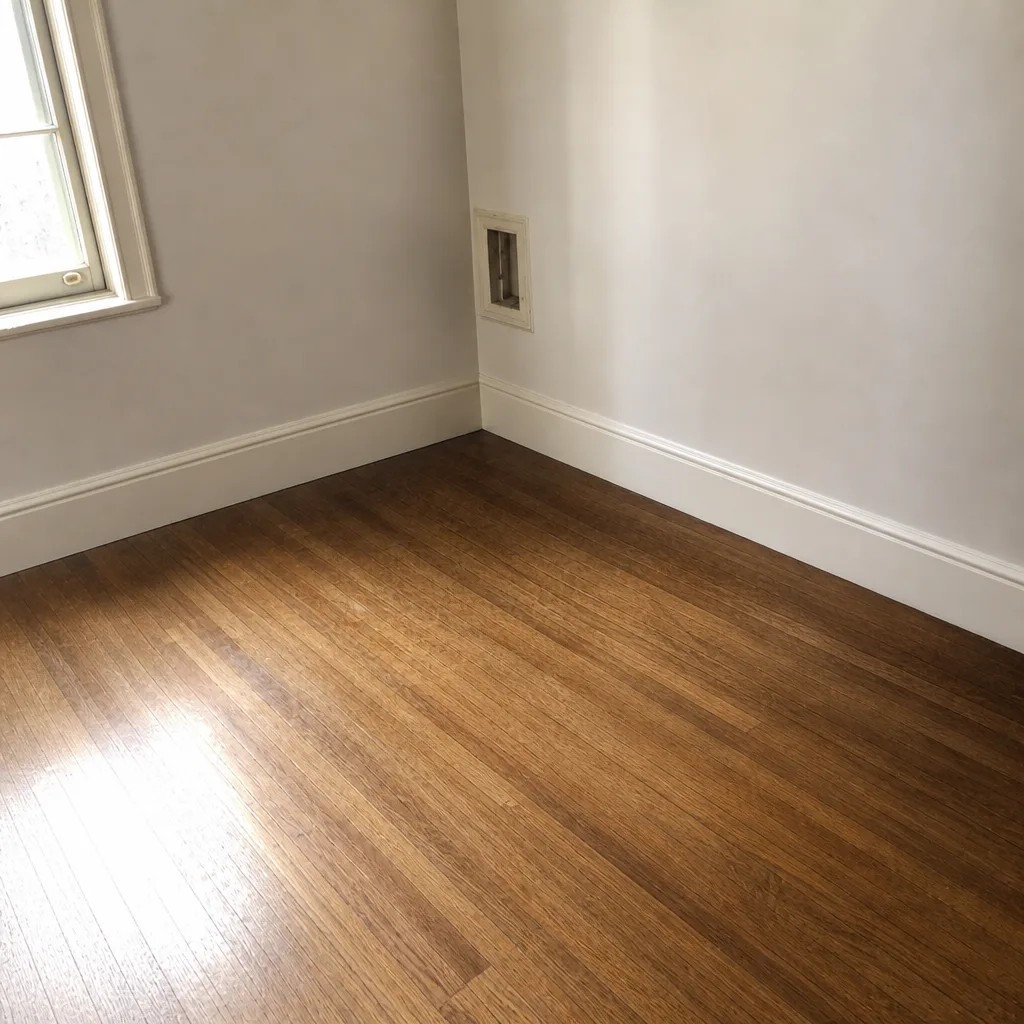 After
Common Mistakes to Avoid
- Booking a flat price from a phone quote. The number is almost never what you’ll pay, because it was set before the contractor knew how many runs you have or what condition your system is in.
- Taking a coupon at face value. A teaser rate on the front usually means the scope is narrower than it appears, and the invoice grows once the technician is in your home.
- Not asking about containment. In a prewar Greenwich Village apartment with original plaster, loosened dust doesn’t stay in the ducts. Negative-air containment is not a luxury add-on.
- Skipping the building’s approval process. Many Manhattan co-ops require advance notice or a certificate of insurance before a vendor works in the building. Skipping that step can get a crew turned away at the door, or leave you responsible for damage to common areas.
- Assuming the cleaning includes repair. A leaking joint or a disconnected flex duct found during cleaning is a separate scope. Ask at the estimate stage whether repairs are part of the service or a hand-off.
- Forgetting the dryer vent. If your contractor cleans ducts but not dryer vents, that fire risk stays unaddressed, and a second appointment is needed.
- Not asking for documentation. Photos and a written summary are the difference between a job you can verify and a bill you take on faith.
When to Call a Professional
Duct cleaning is not something to run on a fixed calendar. The right trigger is what you’re seeing and smelling. Call a professional if you notice musty or stale air when the heat or AC comes on, if visible dust puffs from a supply register when the system starts, if you or someone in the household has worsening allergy symptoms that don’t clear when windows close, or if you’ve just moved into an apartment whose previous occupant’s habits you don’t know. A renovation in a neighboring unit sends fine drywall dust into shared ductwork, so a recent renovation next door or in your own unit is another reason to get the system assessed. If you’ve found a disconnected duct behind a wall or cabinet, or a leaking joint where a run meets the boot, those are repairs, and they should be handled by a trained professional, not by a homeowner trying to seal a joint from inside a living room.
Air Duct Cleaning Greenwich Village offers free estimates in Greenwich Village. Call (855) 337-2008. We answer 24/7. Fast dispatch from 7am to 7pm, Sunday through Friday.
Frequently Asked Questions
Ask them to name the machines that will be in your home. Professional contractors will name purpose-built equipment, typically Rotobrush rotary-brush systems or Nikro equipment, alongside a negative-air machine from a manufacturer like Abatement Technologies. Ask how the dust gets contained, because that’s where the equipment matters most. Call (855) 337-2008 for an exact quote on your system; estimates are free.
Per system, priced in writing after an on-site look. Per-vent pricing sounds cheap in the ad and climbs on the invoice once the technician counts every register, including ones that share a single run. One flat price per system, agreed before work starts, is the arrangement to look for, and the written estimate sets the final price. Call (855) 337-2008 for an exact quote.
Ask your management company and board before scheduling. Many Manhattan co-ops require advance notification, an alteration agreement, or a certificate of insurance before a vendor works inside an apartment. The contractor should be able to supply insurance documentation your building requires. Elevator access and noise windows also usually need scheduling, so plan the booking around your building’s rules.
Cheap quotes usually cover a narrower scope and rely on equipment that isn’t built for duct cleaning. A low number typically excludes containment, register cleaning, air handler work, and any repair found during the job. The invoice climbs once the technician is on site. A written, itemized estimate after an inspection tells you what you’re actually buying. Call (855) 337-2008 for an exact quote; estimates are free.
Ask for before-and-after photos of your own ducts, not stock images, plus a written summary of what was cleaned. A full-cycle contractor should also leave notes on any repairs or sealing done during the visit and a filter recommendation. If a contractor can’t provide that documentation, ask why before you book. Call (855) 337-2008 to discuss your system; estimates are free.
Have it repaired before the ducts are put back in service, because a leaking joint reintroduces dust and pulls unfiltered air into the system. Ask at the estimate stage whether duct repair and sealing are part of the contractor’s scope. A full-cycle provider handles it in the same visit; a vacuum-only contractor will hand it off. A written change in scope with a price before the work starts is the fair arrangement.
Prewar buildings here tend to have longer, narrower duct runs, shared risers, and more hidden connections, so inspection matters more than in a modern single-family home. A single riser can serve several apartments, which affects how cleaning is scheduled and what building access is required. Share your building’s layout, number of units, and duct material when you book so the crew arrives prepared. Call (855) 337-2008 for an exact quote on your building.
The Bottom Line
Hiring a duct cleaning contractor in Greenwich Village is an interview, not a price comparison. Ask five specific questions: equipment, containment, inspection, quote structure, and documentation. Verify that the crew uses professional-grade machinery and communicates in writing. Check that they can handle repairs, sanitizing, and dryer vents in the same visit, because a single-scope vacuum job leaves too much unsolved in a building with shared risers and old ductwork. Then ask your building what approval and access arrangements are needed before scheduling. When the estimate is itemized, the price is one flat rate per system, and photos arrive at the end, you’ve hired correctly.
If you’d like a straight, specific answer about your own system, we’ll come out, inspect, and give you a written estimate. To see the full scope on the main service, read our air duct cleaning page.
Call (855) 337-2008 for a free estimate. We answer 24/7. Fast dispatch from 7am to 7pm, Sunday through Friday.
Written by the team at Air Duct Cleaning Greenwich Village.