
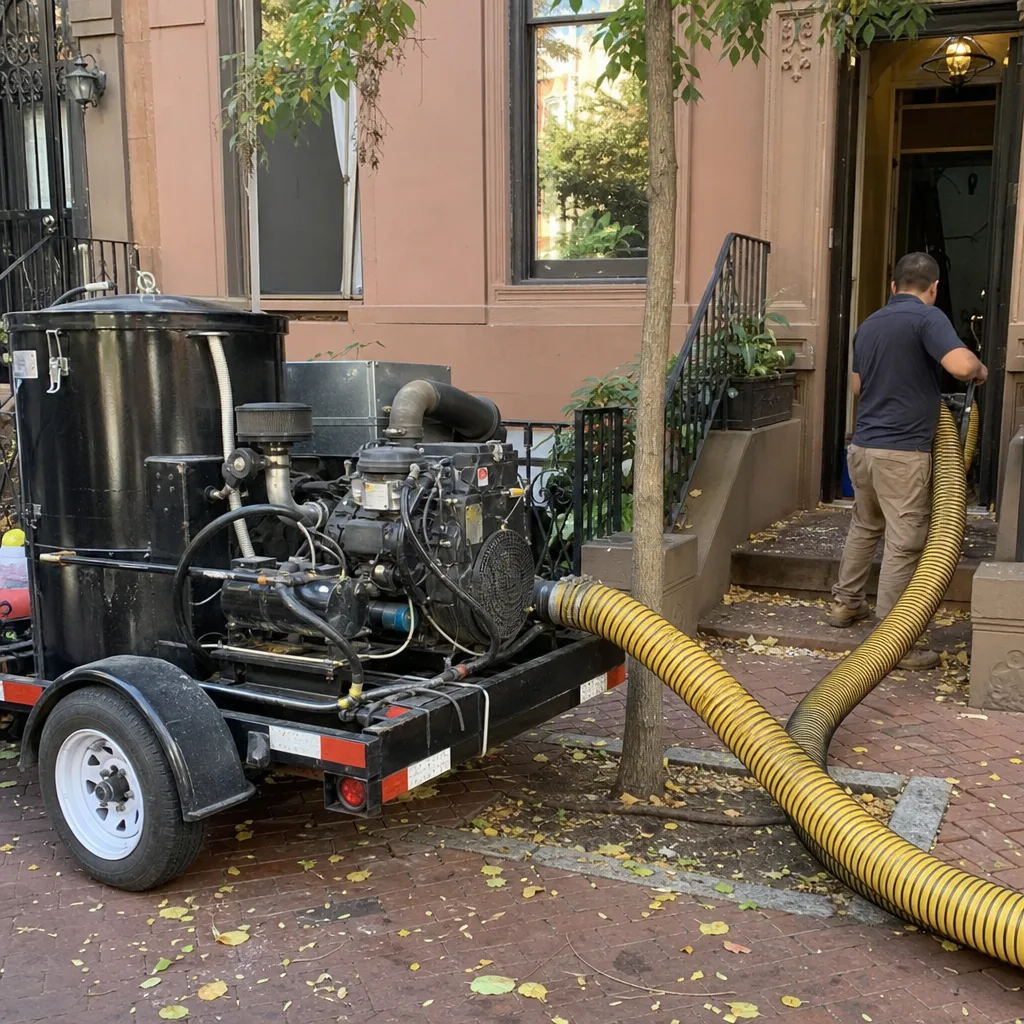
Last updated November 22, 2026
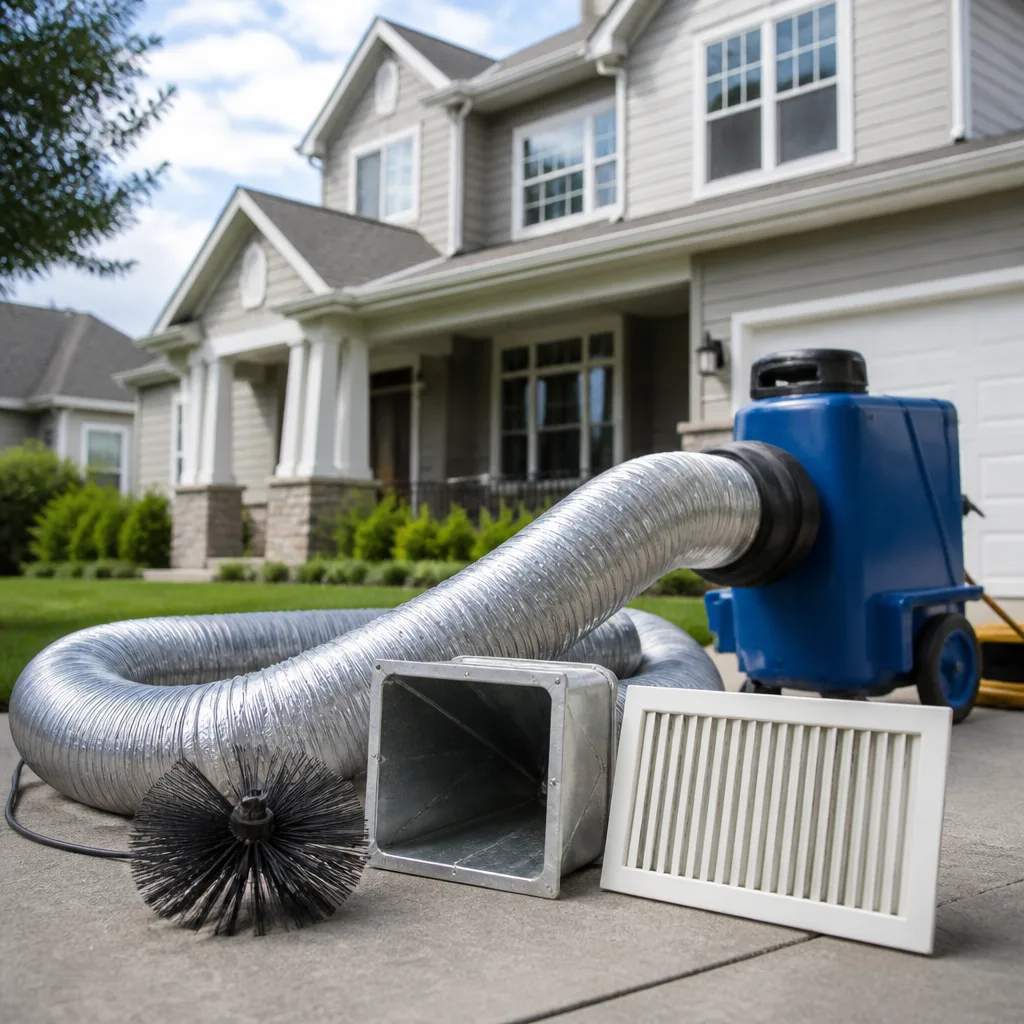 Whole-home duct cleaning
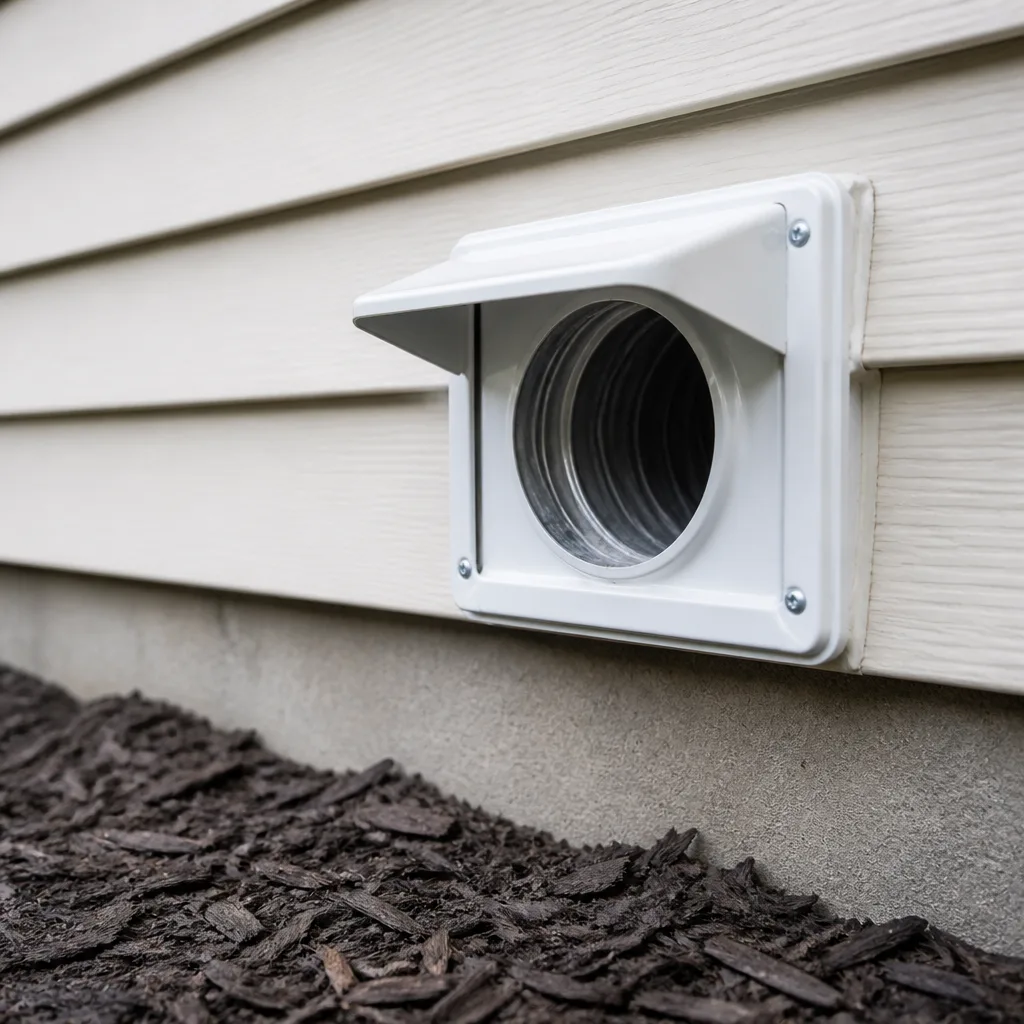 Dryer vent cleaning
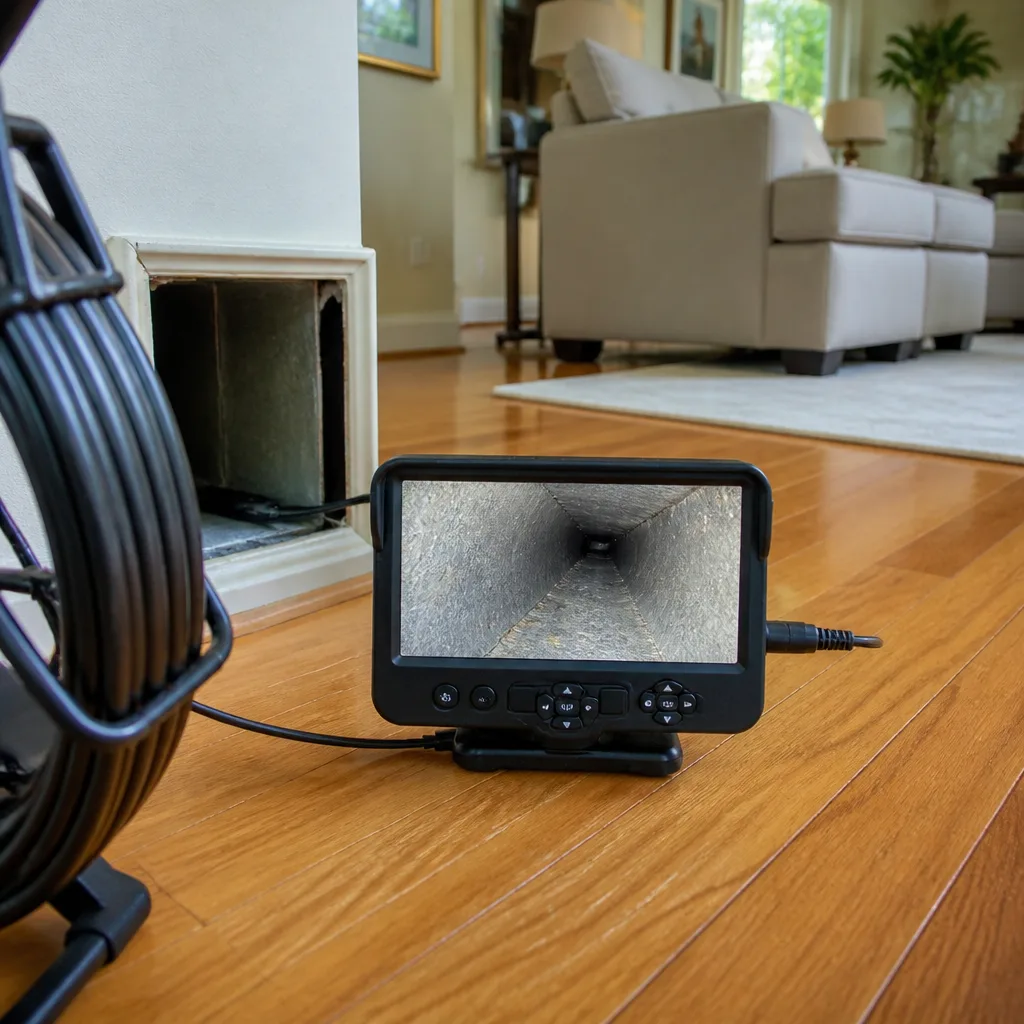 Camera inspection
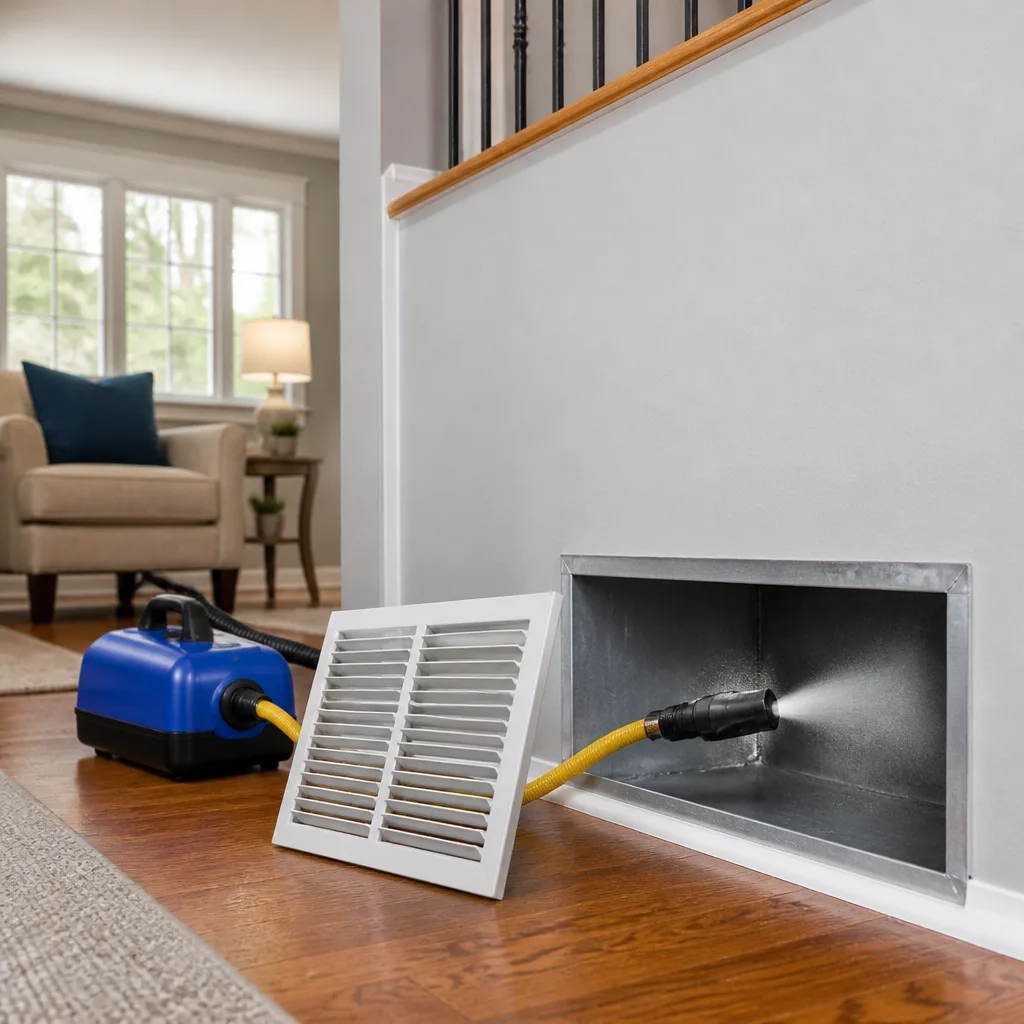 Sanitizing & deodorizing
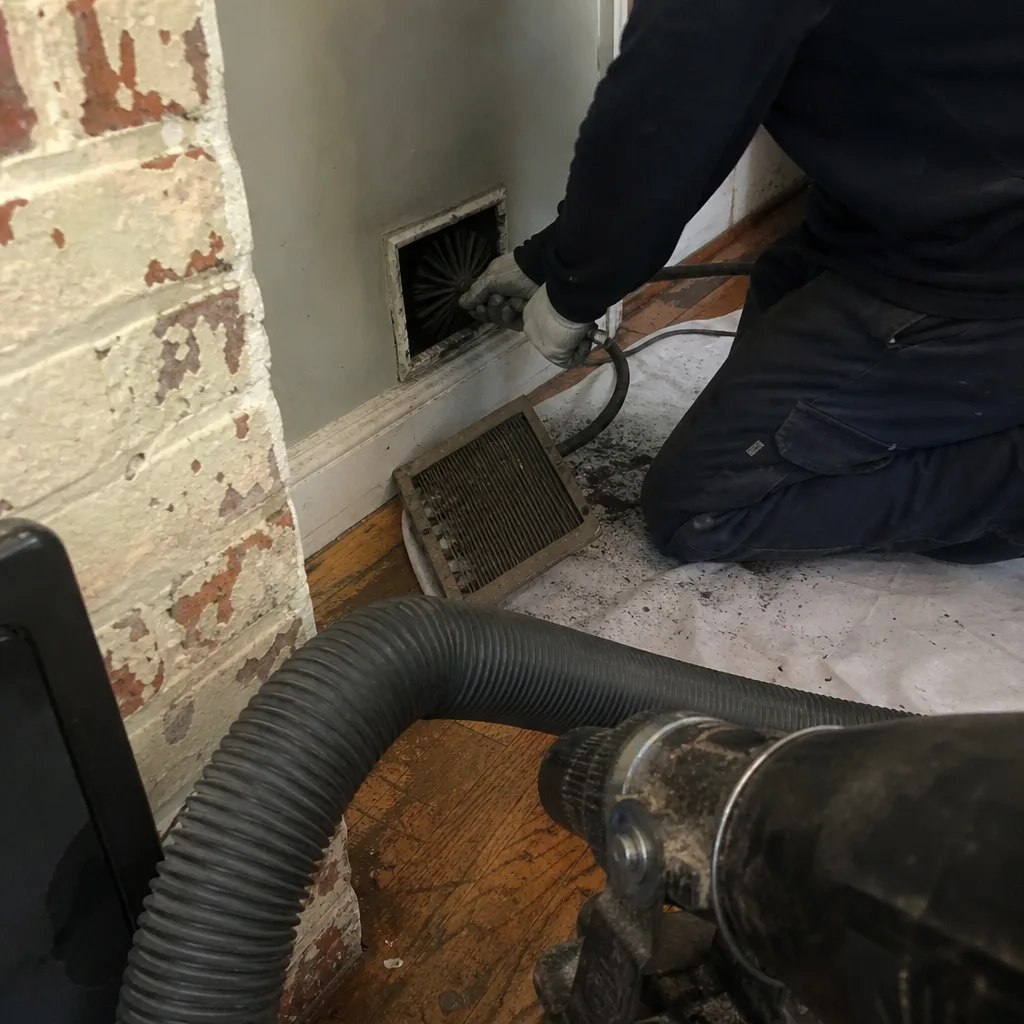
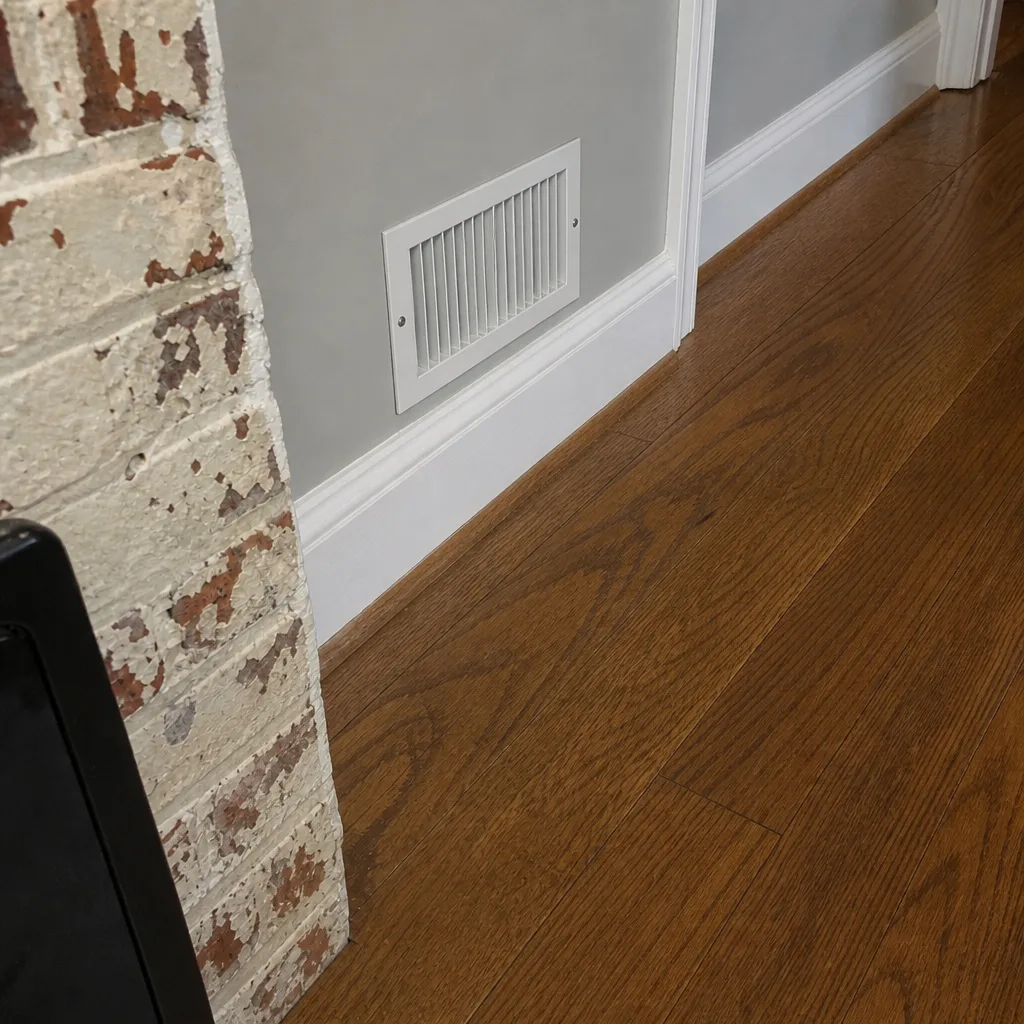
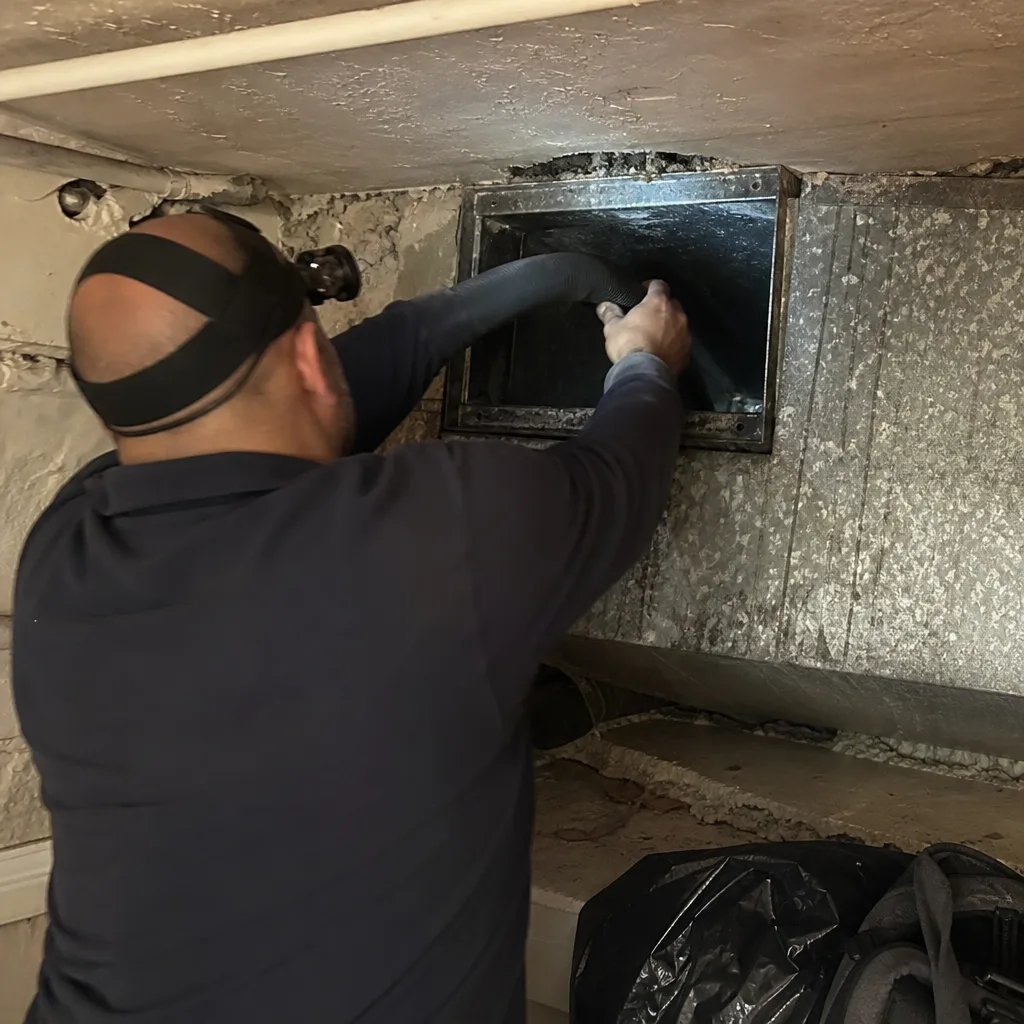
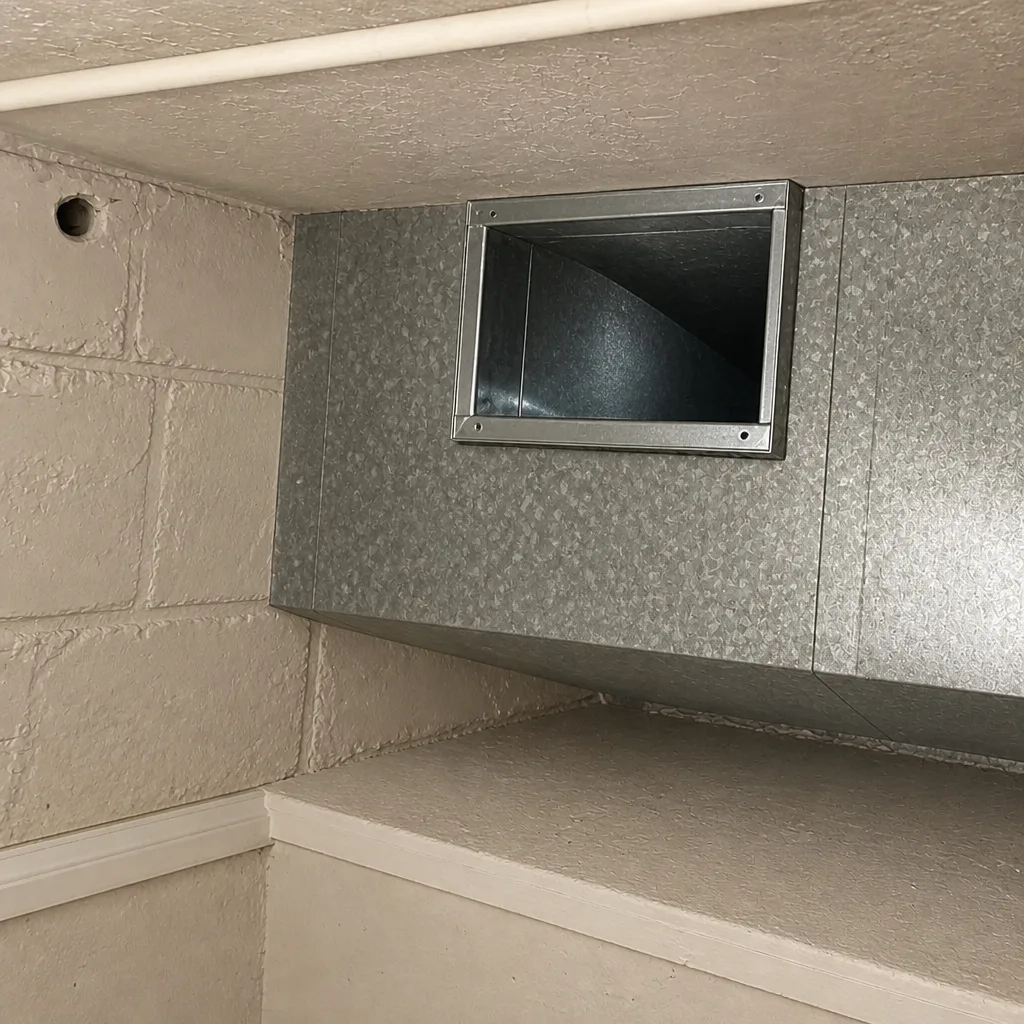
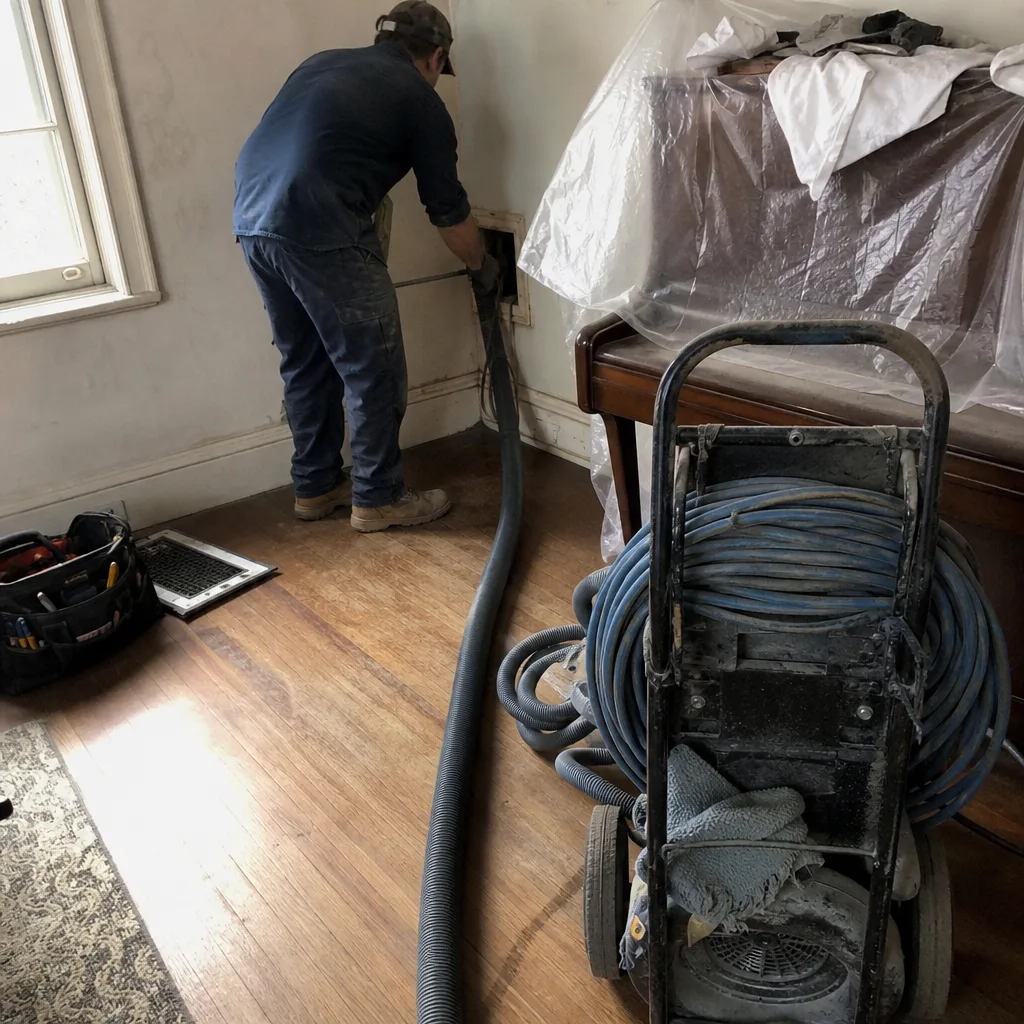
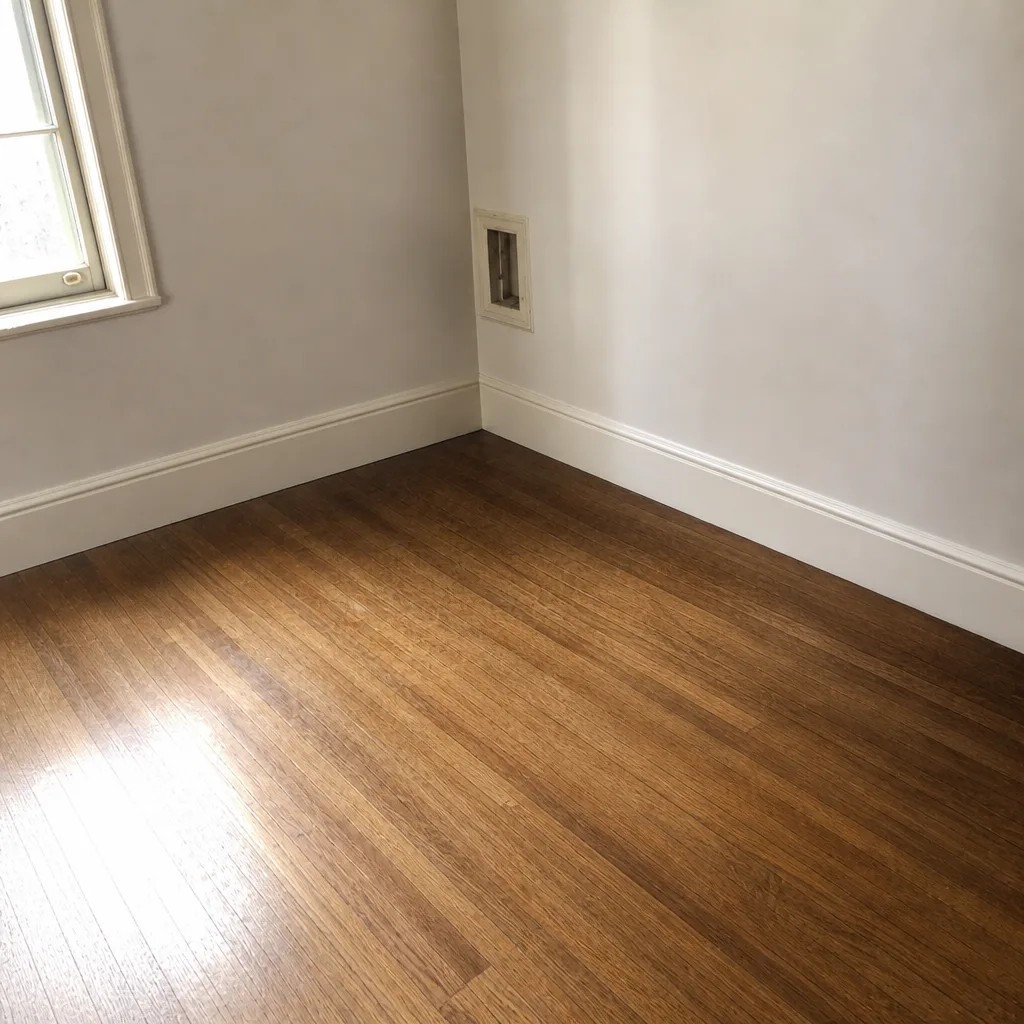
Whole-system duct and dryer vent check with before-and-after photos - you see exactly what came out of your vents
That "$99 whole-house special" is a bait ad - the real number appears once they are in your hallway, or the "clean" is a shop-vac at the register. We photograph the inside of your ducts before and after instead.
Choosing the Right Air Duct Cleaning Brand: A Buyer’s Guide for Greenwich Village
Most people shopping for duct cleaning compare prices first. That’s understandable, and it’s also how a lot of Greenwich Village homeowners end up paying twice: once for a job that didn’t remove the debris bonded to their duct walls, and again for someone qualified to finish it. Here’s the counterintuitive part. The most reliable quality signal isn’t the quote at all. It’s whether the company names the equipment it runs. Professional operators put Rotobrush and Nikro systems on their website because those machines are a real part of what they’re selling. Operators running a shop-vac with a hose adapter tend to stay vague about hardware. This guide teaches you to read equipment references the way a contractor does, and to use that reading to decide who gets the job in your building.
Quick Answer
To choose an air duct cleaning brand in Greenwich Village, verify the equipment before you verify the price. A professional service names its machines (Rotobrush rotary-brush systems, Nikro HEPA units, Abatement Technologies negative-air equipment) and can show the model on-site. A company that offers cleaning, repair, sealing, and sanitizing under one visit has necessarily invested across several equipment categories, which makes breadth of service a dependable proxy for technical depth.
Styles & brands we work with
- Whole-home duct cleaning
- Dryer vent cleaning
- Camera inspection
- Sanitizing & deodorizing
Table of Contents
- Why Equipment Brand Choice Tells You More Than a Price Quote
- What Rotobrush Systems Do That Vacuum-Only Setups Cannot
- Nikro and Negative-Air Containment: The Equipment Most Companies Skip
- Abatement Technologies and Post-Cleaning Air Sanitizing
- How to Verify Equipment Claims Before Work Begins
- The Full-Cycle Provider Test
- Older Buildings, Shared Systems, and Greenwich Village Realities
- What Professional Duct Cleaning Should Cost in Greenwich Village
Why Equipment Brand Choice Tells You More Than a Price Quote
Equipment names are hard to fake convincingly and expensive to acquire honestly. A Rotobrush rotary-brush system costs many times what a consumer vacuum does, and the operator has to learn to run it. That’s a capital commitment. When a company lists its machines by name, it’s telling you where it put its money.
The inverse is also true. When a duct cleaning website describes “state-of-the-art technology” and never names a single unit, that omission is information. It usually means the equipment is generic, rented, or too modest to mention without inviting a comparison.
Two more reasons equipment references matter in a dense place like Greenwich Village:
- Dust control is not optional here. Walk-ups, pre-war co-ops, and converted townhouses share walls, hallways, and in some cases return-air paths. A machine that agitates debris without containing it moves the problem into a neighbor’s apartment.
- You can check the claim. A price is a promise. A machine model is a fact. You can ask to see the unit, read the plate, and confirm it matches what the website said.
Equipment doesn’t tell you everything. A well-equipped company can still do careless work. But it narrows the field fast, and it’s the cheapest filter available to you before you book.
What Rotobrush Systems Do That Vacuum-Only Setups Cannot
Duct debris comes in two forms: loose material sitting on the bottom of the run, and material bonded to the duct wall. Loose debris responds to suction. Bonded debris does not. That’s the whole difference between agitation-and-extraction cleaning and a vacuum-only setup.
A Rotobrush rotary-brush system sends a rotating brush through the duct while a vacuum collects what the brush loosens. The brush contacts the duct wall the way a brush contacts a chimney flue. Older galvanized ductwork accumulates a film of dust, lint, and cooking residue that has essentially cured onto the metal. Suction alone pulls the loose top layer and leaves the rest.
That matters more in older Greenwich Village housing than in new construction. Buildings around Washington Square and along the side streets off Bleecker tend to have duct runs with more years of accumulation, more joints, and more transitions than a modern install. Those transitions collect debris that needs mechanical contact to release.
When you speak to a company, ask this specific question: “Do you agitate the duct walls with a rotary brush, or is this a vacuum-only service?” A professional answers without hesitation. You can also read more about the process on our Air Duct Cleaning Greenwich Village page.
Nikro and Negative-Air Containment: The Equipment Most Companies Skip
Agitation without containment is a half-finished job. The moment a brush starts turning inside a duct, fine particulate that has been sitting undisturbed for years goes airborne. In a single-family house, most of it gets collected by the vacuum. In a multi-unit building, some of it goes where the pressure takes it.
This is where Nikro equipment and Abatement Technologies negative-air units come in. Nikro builds HEPA collection units and negative-air machines for HVAC and restoration work, and the manufacturer is commonly specified on NADCA-compliant commercial projects. The operational idea is simple: hold the work area under slight negative pressure so that air flows toward the machine rather than into the living space.
Here’s what to look for on the job:
- HEPA filtration on the collection unit, not just a filter bag. HEPA matters because the particles you can’t see are the ones that hang in the air longest.
- A containment barrier at the register or a negative-air machine positioned to keep the room under light negative pressure.
- Collection hoses run to the machine, not out the window. Discharging into a courtyard or airshaft just relocates the dust.
If you’re a landlord or property manager responsible for several units, containment is the part of the job that protects you from a complaint in the apartment next door. Ask for it by name.
Abatement Technologies and Post-Cleaning Air Sanitizing
Cleaning removes debris. It does not necessarily address what grew on the debris. After a mold event, a smoke infiltration, or a long period of moisture in a duct run, the surfaces themselves need treatment beyond extraction.
Abatement Technologies builds air filtration and containment equipment used in mold and hazardous-material remediation. That’s a different standard from ordinary HVAC cleaning. Equipment built for remediation context has to hold up under conditions where the airborne load is genuinely elevated, which is exactly the situation after microbial growth has been found in a duct system.
In practice, a full-service provider runs cleaning first, then sealing where gaps were found, then a sanitizing treatment for the duct surfaces. The order matters. Sanitizing a dusty duct wastes the treatment. Cleaning without sanitizing can leave a musty smell that returns within weeks.
On a related note, some providers also offer HVAC cleaning covering the coil, blower, and cabinet, which is where a lot of odor problems actually originate rather than in the ducts themselves.
How to Verify Equipment Claims Before Work Begins
Websites can overstate. So here’s a short verification routine you can run in about five minutes.
- Ask which models they’ll bring. A professional names the unit family without hesitation: a Rotobrush rotary-brush system, a Nikro HEPA collection unit, an Abatement Technologies negative-air machine. Vague answers (“our standard equipment”) are a yellow flag.
- Ask to see the machine before work starts. When the technician arrives, ask to look at the collection unit before any hose goes into a register. Legitimate equipment has manufacturer labeling on the housing, a visible filter configuration, and a model plate.
- Look at the build quality. A branded sticker on a generic shop-vac is easy to spot once you look. Professional units are heavier, have locking casters, HEPA filter housings, and thick hoses with proper cuffs.
- Ask what happens to the debris. It should collect in a sealed bag or filter, then leave the building. If the answer is “we blow it outside,” you’ve learned something.
- Ask whether they carry repair materials on the visit. Duct gaps and disconnected joints are common findings. A company that can seal what it finds is a different tier from one that hands you a report.
None of these requests are unusual. A company confident in its equipment appreciates them.
The Full-Cycle Provider Test
Here’s the test that cuts through most of the marketing noise. Ask one question: can you clean, repair, seal, and sanitize in a single visit?
A company that answers yes has necessarily invested in multiple equipment categories. Cleaning needs agitation and extraction. Repair and sealing need materials, mastic, and the tools to access the duct interior. Sanitizing needs application equipment and, ideally, remediation-grade air handling. Nobody assembles that capability by accident.
A company that answers no has told you where its capability ends. That’s fine if your ducts are clean and intact. It’s a problem the moment the technician finds a disconnected joint or a patch of microbial growth.
Our own scope runs across air duct cleaning, dryer vent cleaning, HVAC cleaning, duct repair and sealing, and air quality and sanitizing. We mention that not to rank ourselves but to illustrate the point: a full menu of services implies a full menu of equipment, and equipment breadth is a reliable proxy for technical depth.
It’s also worth knowing that dryer vent cleaning sits inside a lot of HVAC cleaners’ blind spot. Lint accumulation in dryer exhaust is a well-documented residential fire hazard, and most HVAC-only providers decline the work.
Older Buildings, Shared Systems, and Greenwich Village Realities
The housing stock here shapes what a duct cleaning job actually involves. Much of the neighborhood is pre-war walk-ups, converted townhouses, and co-op buildings with duct runs that were retrofitted rather than designed. That produces a few predictable conditions:
- Short, irregular runs with many transitions. Retrofitted ducts bend around original structure. Every bend and reducer is a place debris settles.
- Shared return paths. In some buildings, return air moves through common spaces. Containment protocols become a courtesy to your neighbors, not just good practice in your apartment.
- Mixed duct materials. You’ll find galvanized steel alongside flex duct and, in older renovations, materials a contractor needs to identify before running a brush through them.
- Landlord and co-op board coordination. Work in a co-op often needs building access arranged in advance and a clear containment plan for shared hallways.
Greenwich Village buildings also contend with seasonal humidity swings that push duct interiors from dry to damp and back. That cycle is hard on seals and can encourage growth on accumulated dust. A provider that can inspect seals and apply sanitizing treatment in the same visit covers both problems at once.
For a deeper look at what a residential job involves here, our main air duct cleaning page walks through the process step by step.
What Professional Duct Cleaning Should Cost in Greenwich Village
Pricing in this neighborhood runs higher than national averages, largely because the housing stock is harder to work in: tight access, irregular runs, and buildings that demand containment. The numbers below are typical estimated ranges for a whole-system job. Your written estimate sets the final price.
- A one-bedroom or small one-return apartment: roughly $350-$550
- A two-bedroom with several registers and one main trunk: roughly $500-$800
- A townhouse or larger co-op unit with multiple zones: roughly $800-$1,400
- Duct repair and sealing, added to a cleaning visit: roughly $200-$600 depending on the number of joints
- Air sanitizing as an add-on to cleaning: roughly $150-$400
- Dryer vent cleaning as a standalone or add-on: roughly $125-$250
We price per system, not per vent. That’s the distinction that matters. Per-vent pricing rewards a company for counting registers and punishes you as soon as the count goes up. One flat price per system, agreed in writing before work starts, is the arrangement you want.
Suspiciously low quotes usually share a pattern: no named equipment, no containment, unlimited “vents,” and a price that grows once the technician is inside. If a quote has no equipment list and no itemized scope, treat the number as a placeholder.
Common Mistakes to Avoid
- Booking on price alone without asking about equipment. The lowest quote in Greenwich Village usually comes from a vacuum-only setup, which means the bonded debris on your duct walls is still there when they leave.
- Accepting per-vent pricing. It shifts the incentive toward register counting instead of a full-system job. Ask for one flat price per system in writing.
- Skipping the containment question. In a co-op or walk-up, containment isn’t optional. Without negative-air equipment, disturbed dust ends up in your living room or a neighbor’s.
- Believing “sanitizing” without asking what equipment applies it. A spray bottle of product is not a treatment system. Ask what’s used and whether remediation-grade air filtration is part of the job.
- Not asking about repair before the visit. If the company can’t seal a found gap, you’ll be sourcing a second contractor mid-project.
- Forgetting the dryer vent. Many HVAC cleaners decline dryer vent work. If you’re booking a visit anyway, ask whether it can be added and what equipment handles the lint.
- Taking a website’s word on equipment. Confirm the model on-site before the hoses go in. A branded sticker on generic hardware is a tell.
See the difference
 Before
 After
 Before
 After
 Before
 After
When to Call a Professional
Some duct conditions shouldn’t wait for a seasonal deep clean. Call when you notice visible dust plumes from a register each time the system starts, a musty or smoky smell that returns within days of cleaning, or a noticeable drop in airflow to specific rooms. Also call if you’ve recently had water damage, a mold finding, or renovation work that generated fine dust through an open return. For landlords, call when a tenant reports smell or dust in a unit served by a shared return. And call if it’s been several years since the system was serviced, since the older Greenwich Village housing stock accumulates faster than new construction. Air Duct Cleaning Greenwich Village offers free estimates in Greenwich Village. Call (855) 337-2008. We answer 24/7. Fast dispatch from 7am to 7pm, Sunday through Friday.
Frequently Asked Questions
Ask them to name their machines and to show the unit model on-site before work begins. A professional names the equipment family (Rotobrush rotary-brush systems, Nikro HEPA units, Abatement Technologies negative-air equipment) without hesitation and can point to the manufacturer labeling on the housing. Vague answers or a refusal to show the machine before hoses go into a register are a clear signal to look elsewhere. Call (855) 337-2008 for an exact quote with the equipment list included.
Rotary-brush cleaning agitates debris bonded to the duct wall; vacuum-only cleaning removes only what’s loose. Duct interiors accumulate a cured film of dust, lint, and cooking residue over years, and suction alone doesn’t lift it. The rotary brush makes mechanical contact with the wall, and the vacuum collects what the brush releases. In older Greenwich Village buildings with decades of accumulation, that difference is usually the whole job. Equipment breadth is a reliable proxy for technical depth, and it’s the first thing worth confirming with any company you’re considering. Call (855) 337-2008 to hear how we handle it.
Because disturbing years of settled dust without containment moves it into your living space or a neighbor’s. Negative-air and HEPA collection equipment holds the work area at slight negative pressure so air flows toward the machine rather than outward. In shared buildings this isn’t a luxury; it’s the part of the job that prevents complaints. Ask whether the provider runs Abatement Technologies or comparable negative-air equipment before you book. Call (855) 337-2008 for a free estimate.
Cheaper quotes usually indicate a vacuum-only setup, no containment, and per-vent pricing designed to grow once the technician is on site. The equipment itself costs money, and a company running professional-grade machines can’t match the price of one running generic equipment. A quote that doesn’t list the equipment or the scope isn’t really a quote. We price one flat rate per system in writing before work begins, so nothing changes mid-job. Call (855) 337-2008 for a free estimate.
Typical estimated ranges run roughly $350-$550 for a small one-return apartment, $500-$800 for a two-bedroom with several registers, and $800-$1,400 for a townhouse or multi-zone co-op unit. Repair and sealing usually adds $200-$600, sanitizing $150-$400, and dryer vent cleaning $125-$250. The written estimate sets the final price. Call (855) 337-2008. Estimates are free.
For most Greenwich Village homes, every three to five years is reasonable, and sooner after renovation work, water damage, or a mold finding. Older buildings with retrofitted ductwork accumulate faster than new construction. If you notice dust plumes at the registers, or a smell that returns within a week of cleaning, the interval has run out. Call (855) 337-2008 for an exact quote and a clear answer on timing.
The Bottom Line
Equipment brand choice is the most underused filter in duct cleaning shopping. Companies that invest in Rotobrush, Nikro, and Abatement Technologies systems have made a real capital commitment to professional-grade work, and companies that won’t name their tools are signaling their actual service tier. Verify the equipment before you verify the price. Ask whether cleaning, repair, sealing, and sanitizing can happen in one visit, since breadth of capability is a dependable proxy for technical depth. Insist on one flat price per system in writing, and treat per-vent pricing as a red flag. Do those three things, and the cheapest quote stops looking like the best one.
Contact
If you’re ready to move from research to a written estimate, we run Rotobrush and Nikro equipment, contain the work area with negative-air protocols, and price one flat rate per system before anything starts. Call (855) 337-2008 for a free estimate. We answer 24/7. Fast dispatch from 7am to 7pm, Sunday through Friday.
Written by the team at Air Duct Cleaning Greenwich Village.