
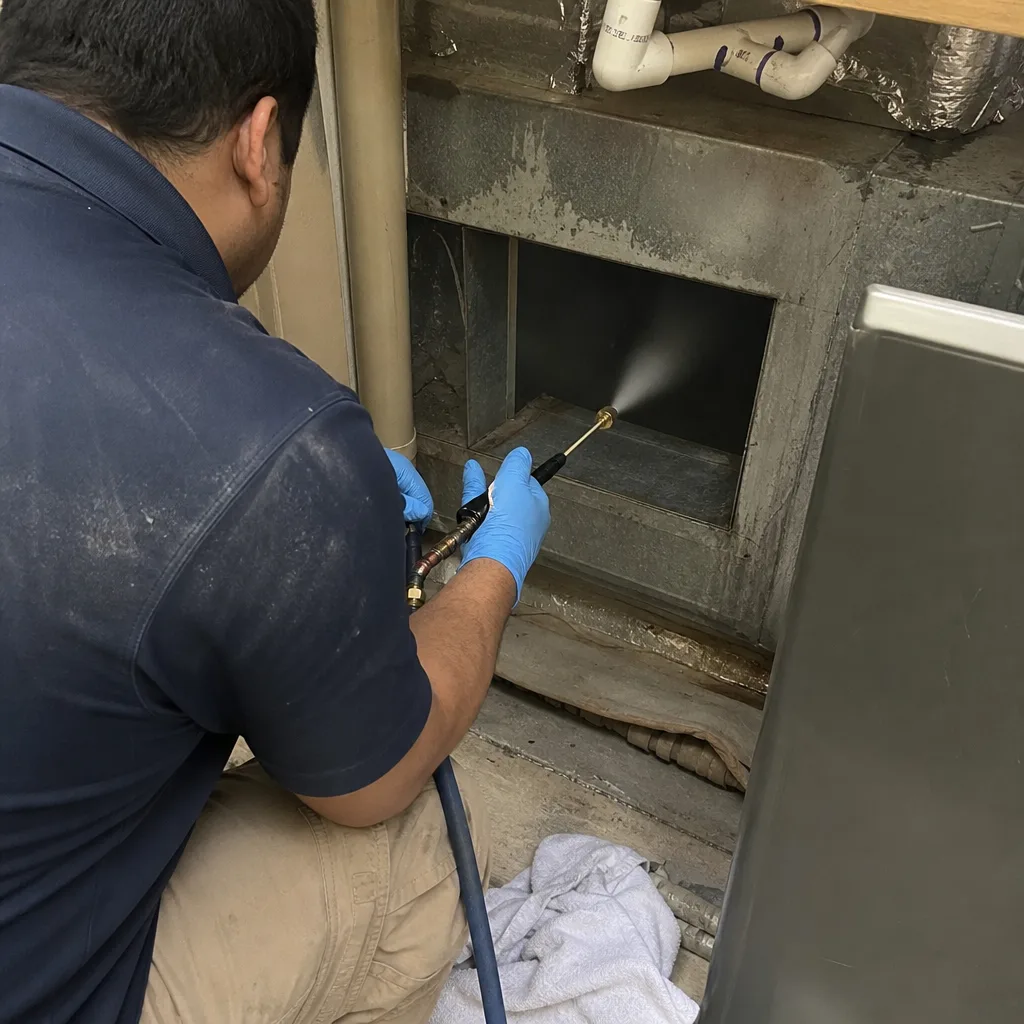
Last updated November 22, 2026
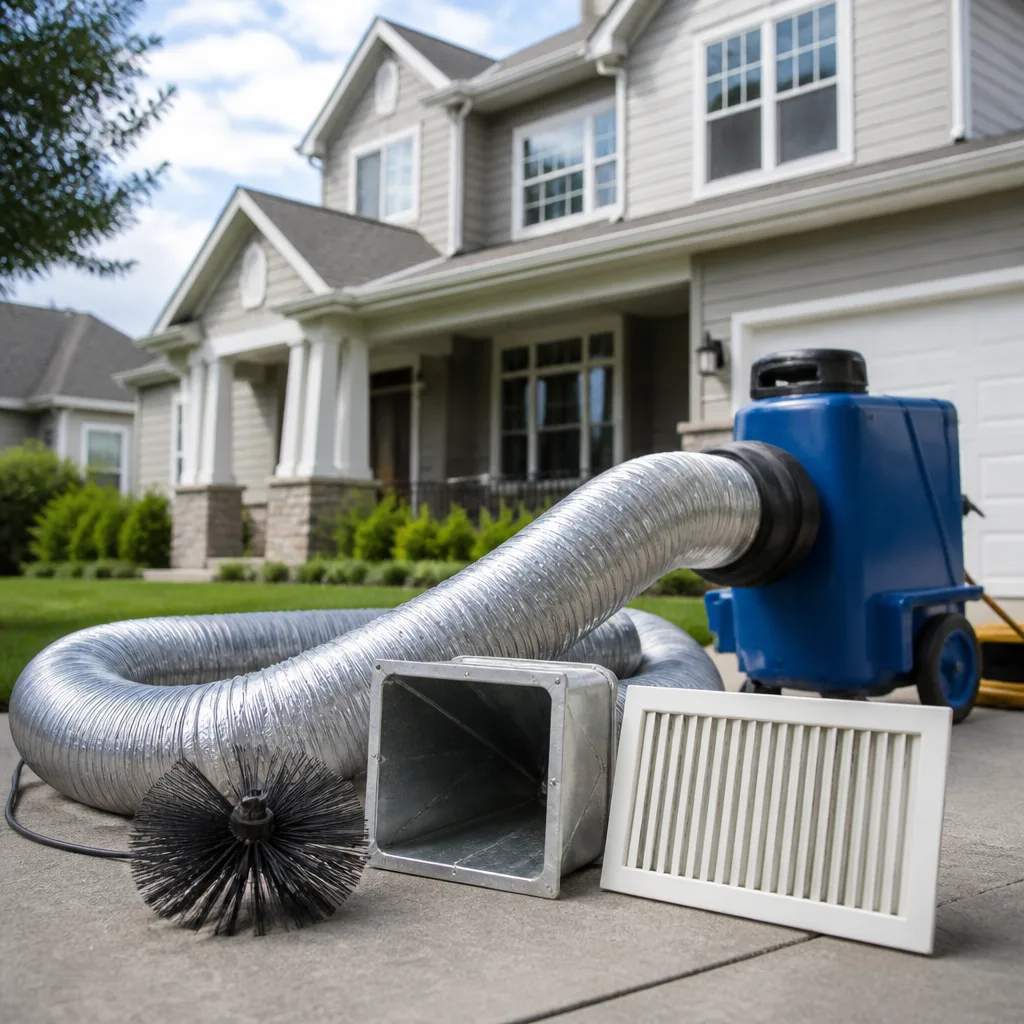 Whole-home duct cleaning
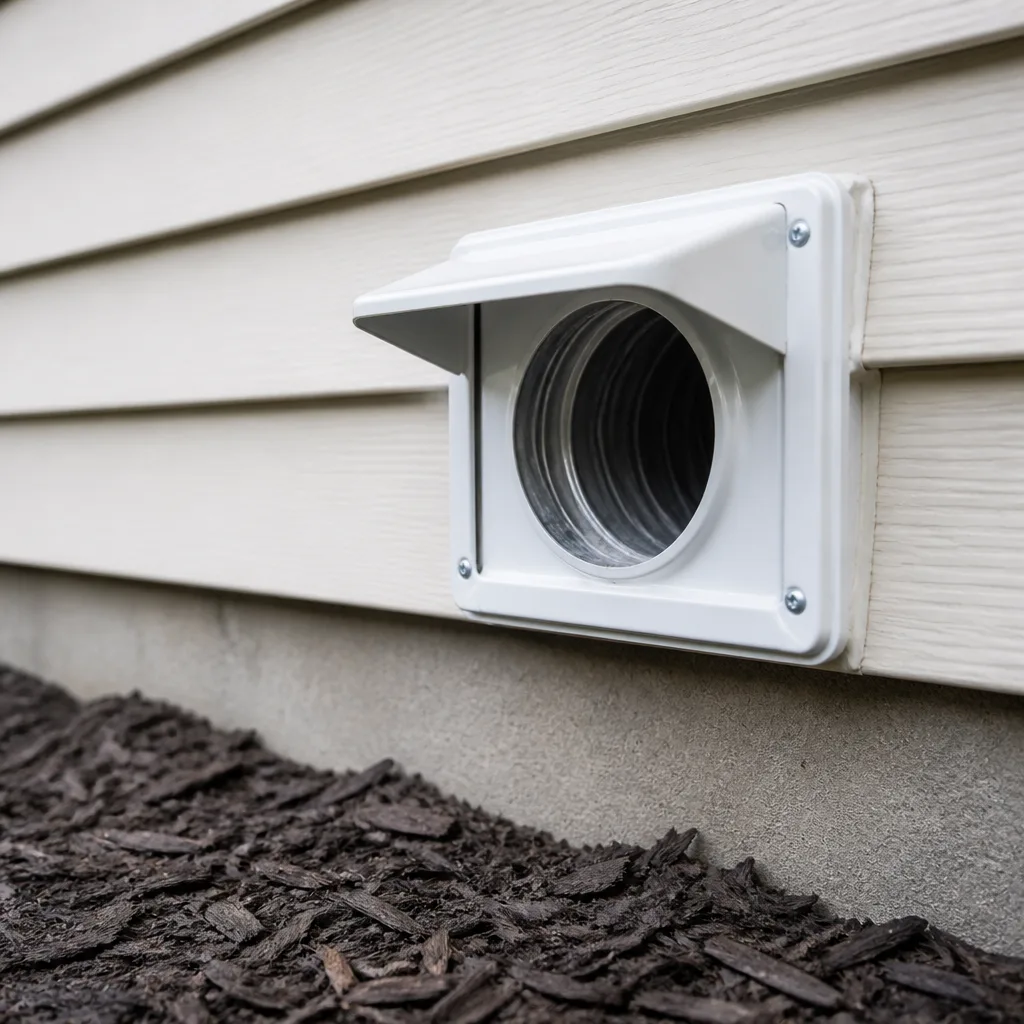 Dryer vent cleaning
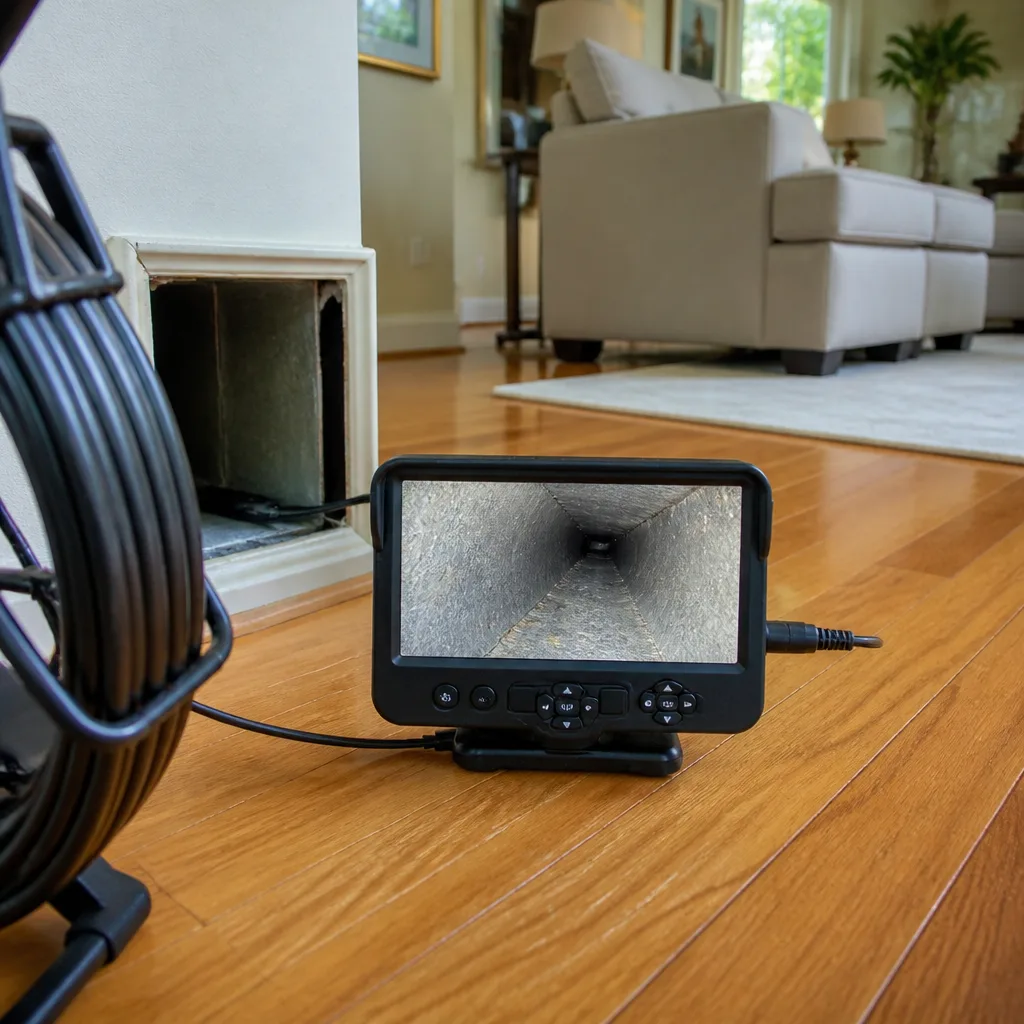 Camera inspection
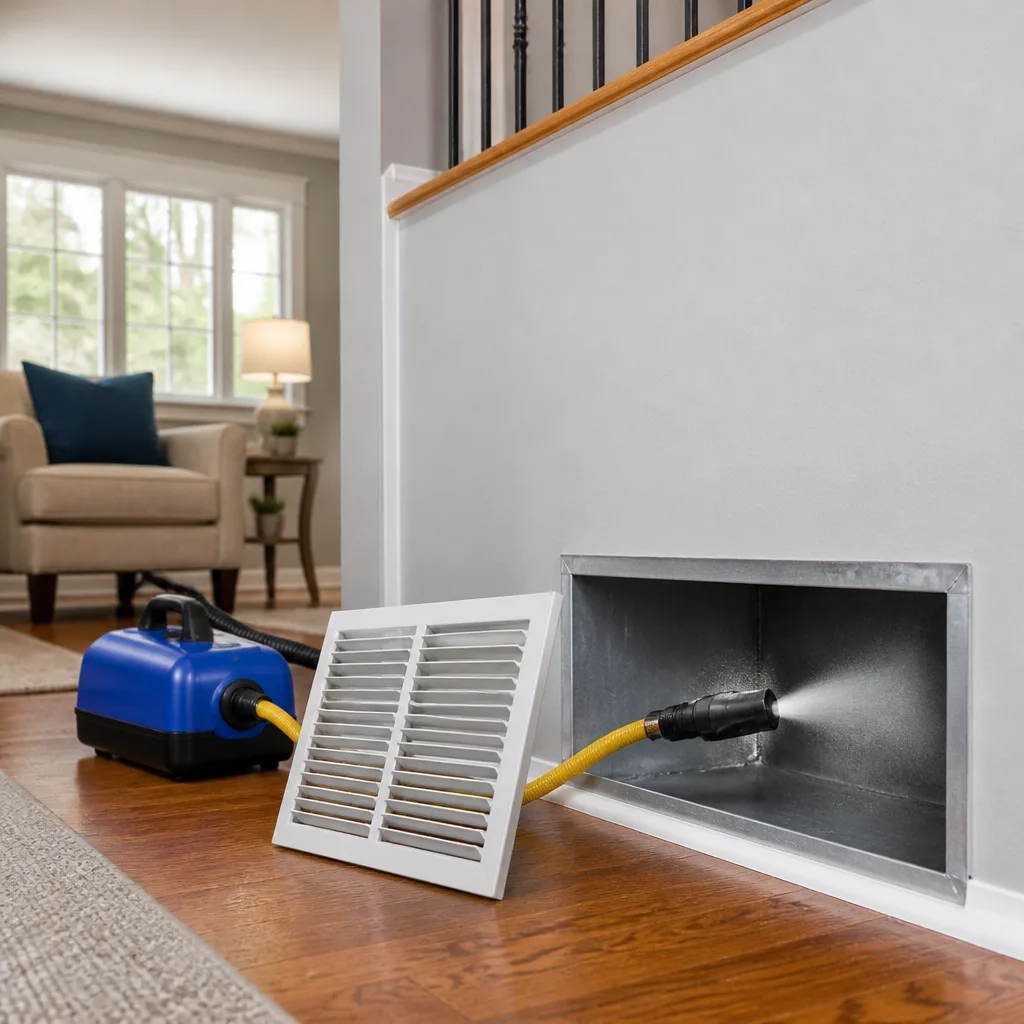 Sanitizing & deodorizing
Whole-system duct and dryer vent check with before-and-after photos - you see exactly what came out of your vents
That "$99 whole-house special" is a bait ad - the real number appears once they are in your hallway, or the "clean" is a shop-vac at the register. We photograph the inside of your ducts before and after instead.
Air Duct Cleaning Permits, Codes & Inspections in Greenwich Village, NY: What You Need to Know
Here’s the part most duct cleaning quotes in Greenwich Village leave out: the cleaning itself is generally not a permitted activity in New York City, but the repairs that turn up mid-job often are. A crew that patches a collapsed duct section and reseals connections without a licensed mechanical contractor on record can leave a co-op building exposed under the city’s mechanical code. That exposure tends to surface later, during a resale, a refinancing appraisal, or a board alteration review. This guide walks through where the regulatory line actually sits, how to read it for your own apartment or building, how to check what permits already exist, and what paperwork you should hold when the work is done.
Quick Answer
Routine air duct cleaning in Greenwich Village does not require a New York City Department of Buildings permit because it doesn’t alter the mechanical system. Duct repair, removal or replacement of duct sections, liner work, and anything that changes the system’s configuration can cross into permitted work under the NYC Construction Codes. Before any repair is performed, ask whether a licensed mechanical contractor will be on record and whether a permit is needed, then check the DOB’s online records for your address.
Styles & brands we work with
- Whole-home duct cleaning
- Dryer vent cleaning
- Camera inspection
- Sanitizing & deodorizing
Table of Contents
- Cleaning vs. Repair: Where the Permit Line Sits
- What NYC’s Mechanical Code Covers
- How to Check DOB Records for Your Building
- Two Categories of Work: Cleaning and Repair
- Co-op Board Implications of Undocumented Work
- Documentation to Keep After Any Duct Work
- What Inspections Look At in Older Buildings
- Common Mistakes to Avoid
Cleaning vs. Repair: Where the Permit Line Sits
The clearest way to think about it: cleaning follows the existing duct system. Repair changes it. Cleaning removes debris, dust, and buildup from a duct system that stays as it was. Repair alters the physical system in some way, whether that’s patching a hole, replacing a flexible run, sealing and rerouting a joint, or adding a component. NYC’s mechanical code cares about the second category, because it concerns the built environment and life safety rather than housekeeping.
This matters in Greenwich Village because so many buildings here have duct systems that are decades old and have been touched repeatedly. A walk-up on a side street off Bleecker may have a duct run that has been patched at least twice. What looks like cleaning work to a low-bid crew is really repair work, and the crew is not licensed to do it. The work goes in anyway, and the record stays silent.
In practice, here’s how to tell which category your job falls into:
- Cleaning only: source removal of dust, debris, and debris-bound microbial growth from existing duct runs, registers, plenums, and the air handler. No change to the shape or configuration of the system.
- Repair or sealing: patching or replacing sections of duct, adding or replacing liner, sealing leaks, connecting new components, or altering airflow paths. Likely to require a licensed mechanical contractor and, depending on scope, a DOB permit.
- Replacement or major alteration: new duct runs, redesigned trunk-and-branch layout, or new equipment configuration. This work crosses fully into permitted territory.
When we perform air duct cleaning Greenwich Village work, we treat the point at which cleaning turns into repair as the moment to stop and clarify the scope with the owner or board. Cleaning continues. Repairs get documented, and where a permit is needed, the licensed contractor of record is named. A crew that ignores that line, or that hands off the repair to the owner to sort out later, is leaving the building exposed.
What NYC’s Mechanical Code Covers
New York City’s construction and mechanical provisions (drawn from the NYC Construction Codes, including the mechanical provisions referenced under Chapter 28-116) regulate the installation, alteration, repair, and maintenance of mechanical systems, including HVAC. The code is not written to catch a homeowner running a vacuum through a register. It’s written to ensure that work affecting a building’s air and exhaust systems is designed and executed by people who can be held accountable for it.
The practical effect for Greenwich Village residents is often unglamorous but real. Buildings here are a mix of co-op, condo, and rental stock, with a lot of pre-war construction where ductwork has been retrofitted over the decades. A hallway exhaust that was rerouted during a 1990s renovation. A dryer vent extended through a party wall. A duct repair performed by a handyman who did honest but undocumented work. When the current owner goes to refinance or sell, the missing paperwork is what surfaces.
What the code regulates, broadly:
- Installation and alteration of HVAC systems, including ductwork, exhaust, and ventilation.
- Connection of fuel-fired or electrically driven equipment, where alteration is involved.
- Materials and construction standards for ducts (including sealing and support).
- Ventilation rates and exhaust provisions for residential units and common areas.
- Fire and smoke damping where ductwork crosses rated assemblies.
Our read: if the work changes the system, assume the code applies and check with a licensed mechanical contractor before the first screw goes in. If the work is cleaning only, the code does not require a permit, but a professional-grade cleaning still removes source contamination and supports indoor air quality. We handle the second part with Rotobrush and Nikro equipment designed for that job. We do not act as a licensed mechanical contractor, and we say so clearly when a repair crosses into code territory.
How to Check DOB Records for Your Building
New York City publishes building records online through the Department of Buildings’ public portals, including permit history and certificates of occupancy. You can search by address to see what permits have been filed for a building, what work was approved, and whether it was signed off. This is the fastest way to know whether prior HVAC or duct work was properly permitted.
Here’s the sequence we recommend to any Greenwich Village co-op board or property manager reviewing duct history:
- Search the building address in the DOB records portal and review the permit history going back as far as the records reach.
- Compare permits to the actual work you can see in the building: altered risers, new exhaust runs, patched duct walls, replaced air handlers.
- Flag any system changes with no corresponding permit. Those are the gaps that surface during resale, refinancing, or a future alteration application.
- If work appears unpermitted, ask a licensed mechanical contractor or expeditor how to correct it (often by filing after the fact through the appropriate process).
- Keep a record of the search and any corrective filings with the building’s maintenance file.
We’re not a permit expediter and don’t advise on filings, but we’ve seen what good records do for a building’s next transaction. A clean permit trail is one of the quiet assets of a Greenwich Village co-op. A silent trail is one of the quiet liabilities.
Two Categories of Work: Cleaning and Repair
The single most useful distinction in this whole area is the split between cleaning and repair. Everything downstream – permitting, documentation, board approval – follows from which category the work belongs to. The categories are close to each other in practice, which is exactly why low-cost crews blur them.
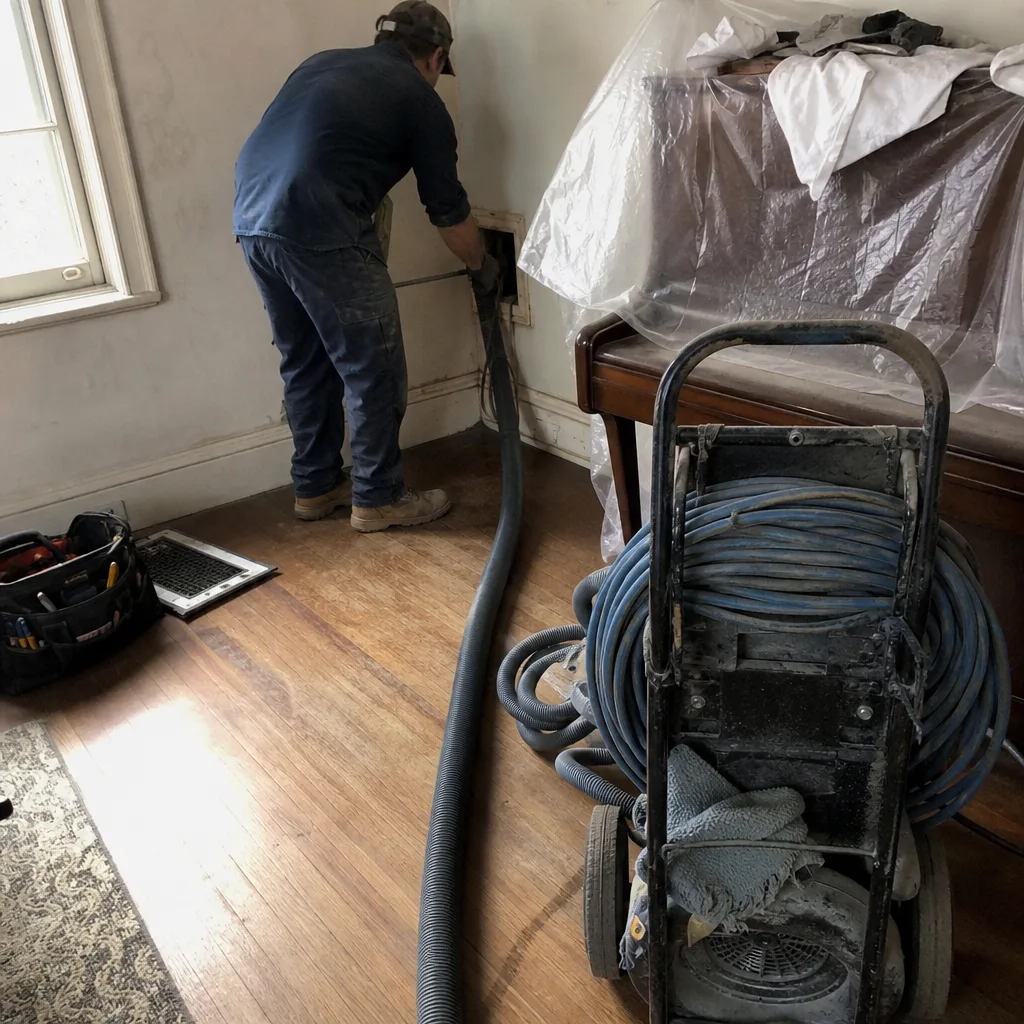
Cleaning is mechanical source removal. We use Rotobrush rotary-brush systems for agitation and extraction, Nikro equipment for the air handler and plenum work, and Abatement Technologies negative-air and filtration units to keep dust out of the living space during the job. That last piece matters in a Greenwich Village walk-up: without proper containment, cleaning dust ends up on your bookshelves and sills. The professional standard is negative-air containment, the same protocol used in remediation work, and it’s not something a shop-vac crew can approximate.
Repair is any change to the system. Common repair needs we run into during cleaning include:
- Collapsed or crushed flexible duct runs.
- Disconnected joints behind drywall, especially in retrofitted pre-war units.
- Torn or degraded internal liner where moisture has intruded.
- Leaking seams and gaps at plenums and equipment connections.
- Worn connections at registers that leak conditioned air into walls.
We can perform duct repair and sealing within our scope, and we do it in the same visit as cleaning when the job allows. Where a repair requires a licensed mechanical contractor or a DOB permit, we say so before starting and document what was found. What we don’t do is quietly patch a duct and hand you a building that looks fine until the next appraisal.
On the cleaning side, we also work with air duct cleaning routines that include checking Honeywell and Aprilaire air quality hardware, because those systems are common in older Greenwich Village apartments and often go years without being touched. The right time to notice that a filter housing has separated from a return plenum is during cleaning, not after a repair.
Co-op Board Implications of Undocumented Work
Co-op boards care about duct work for two reasons: alteration agreements and the building’s future sale and financing. Most Greenwich Village co-ops require board approval for alterations that affect building systems, including duct and HVAC changes. When work goes in without board approval or without a permit, the alteration agreement is effectively bypassed. That’s a board problem and an owner problem at the same time.
Downstream, unpermitted or undocumented work becomes a question during a unit resale or building refinance. Lenders and buyers’ attorneys ask for records. Missing records are a negotiating point and sometimes a real obstacle. A unit that has had its HVAC quietly redone may look fine, but the file is thin.
If you sit on a Greenwich Village co-op board, the practical ask is straightforward:
- Require written scope and photos before and after any duct cleaning or repair in a unit.
- Confirm that any repair within a unit is either performed by a licensed mechanical contractor or clearly documented as cosmetic sealing only.
- Keep that documentation with the alteration file, not in the unit owner’s private folder.
- Reference the DOB permit history in any future alteration review so the comparison is start-to-current.
We’ve seen boards benefit from this kind of documentation on dryer vent cleaning work in particular, because dryer vent issues in tight apartment stacks are a fire-safety concern and belong in the building’s file.
Documentation to Keep After Any Duct Work
Regardless of whether a permit was required, you should leave any duct job with a package that documents what was done. This is one of the few areas where the paperwork matters as much as the work. Low-cost crews frequently skip it. Good ones build it in.
What a complete record looks like:
- Written scope: what was cleaned, what was repaired, what was sealed, and what was inspected but left alone.
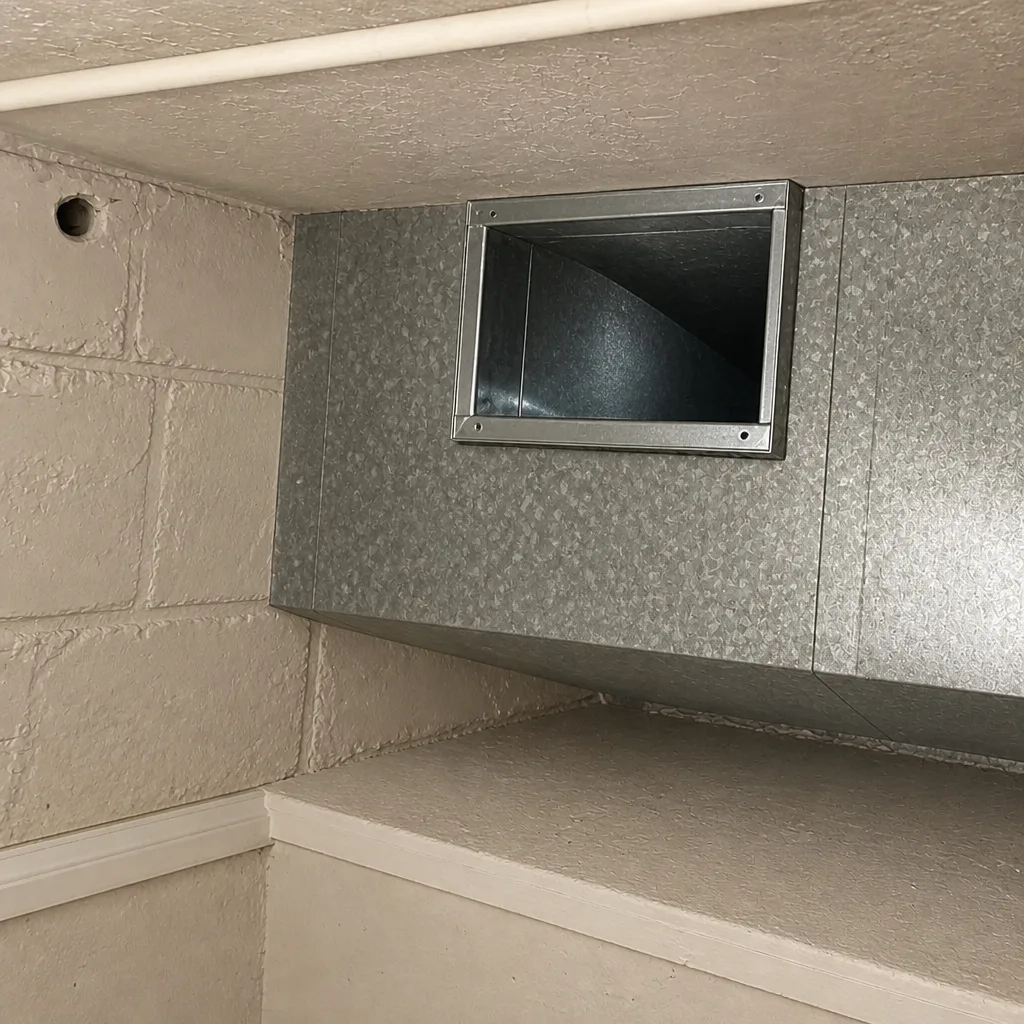
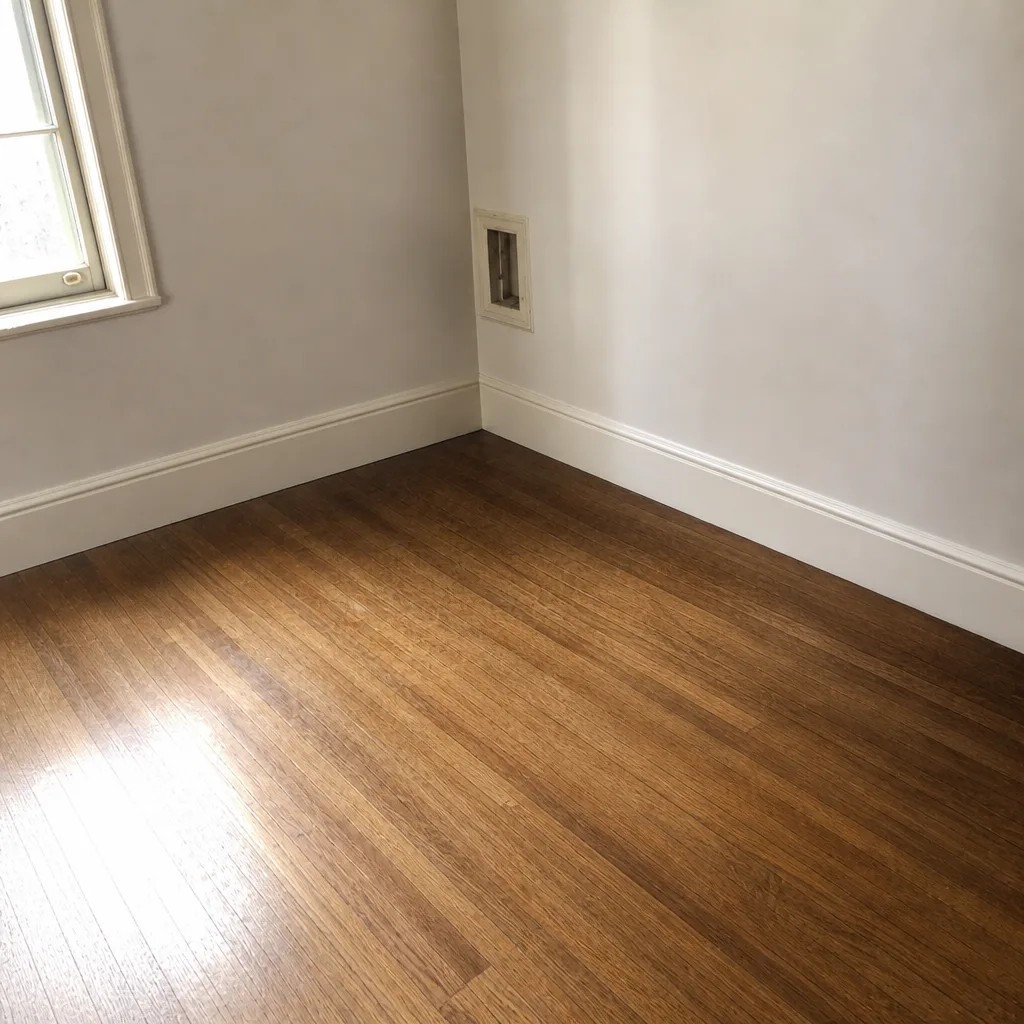
- Before-and-after photos of the duct interior at a minimum of several representative points, and of any repaired sections.
- Repair notes: materials used, extent of the repair, and the contractor’s name and credentials for any work beyond cleaning.
- Air handler and equipment notes: condition of the unit, filter size and type, and any issues found with Honeywell or Aprilaire controls.
- Containment note: description of negative-air setup and any microbial growth observed and treated.
We deliver this package on every job, including the HVAC cleaning portion when the air handler and coil are included. That file becomes part of the building’s maintenance record and answers most future questions without a second visit.
What Inspections Look At in Older Buildings
When an inspection does happen, whether triggered by a sale, a refinance, or a DOB filing, it’s looking for evidence that the system is as built and as documented. In Greenwich Village, inspectors are working with pre-war and mid-century buildings where ducts run through tight interstitial spaces, and where the difference between a factory run and a clever retrofit isn’t always obvious.
What tends to matter:
- Whether duct runs are continuous, supported, and sealed at the joints.
- Whether fire and smoke dampers are present where ductwork crosses rated walls.
- Whether equipment connections comply with the code as filed.
- Whether exhaust and ventilation paths match what the plans show.
- Whether anything is visibly altered from the drawing set.
Cleaning supports inspections by removing debris that might obscure conditions and by producing a written record of what was found. Repair supports inspections by closing the gap between what’s there and what’s on file. Sanitizing after cleaning or repair addresses microbial growth that can build up in older systems and supports indoor air quality through the next season.
One note specific to how these systems age in this neighborhood: the older mixed housing stock means many Greenwich Village apartments run a heat pump or fan coil alongside a legacy duct system. Checking that combination against the plans is best done by a licensed mechanical contractor, not by a cleaning crew. We stay in our lane and flag the question.
Common Mistakes to Avoid
- Assuming “no permit needed” covers the repair. Cleaning may not need a permit; a duct repair or replacement almost certainly does. Ask about each piece of work, not the whole job.
- Letting a crew patch a duct without a licensed contractor on record. Cosmetic patching by an unlicensed crew can leave your Greenwich Village co-op out of compliance and with no paper trail, which is when it surfaces – usually during resale.
- Skipping before-and-after photos. If you can’t see inside the duct before and after, you can’t prove the work was done or that it was done correctly. Ask for photos every time.
- Filing duct records in a personal folder instead of the building file. Board-level documentation is what counts at the building level. Individual owners keeping their own folders is a repeated source of missing records.
- Treating dryer vent work as building-cleaning, not fire-safety work. In stacked apartment buildings the vent path matters. It belongs on the building’s file.
- Accepting a repair by a crew that does not use negative-air containment. Cross-contamination from cutting or sealing work is real. Containment is the standard, and it should appear in the scope.
- Assuming “recently cleaned” means “currently compliant.” Cleaning and compliance are different questions. A recent cleaning tells you what’s in the duct; the DOB file tells you what’s on record.
See the difference
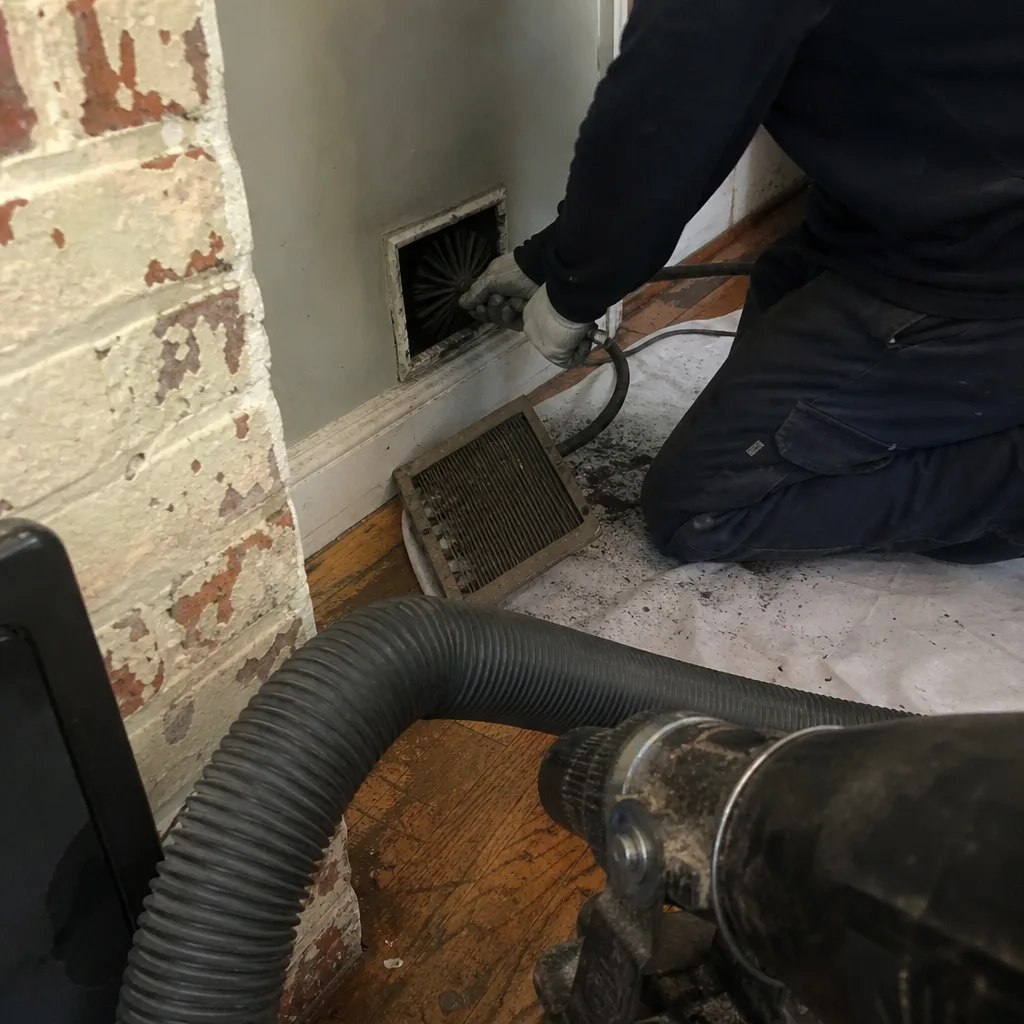 Before
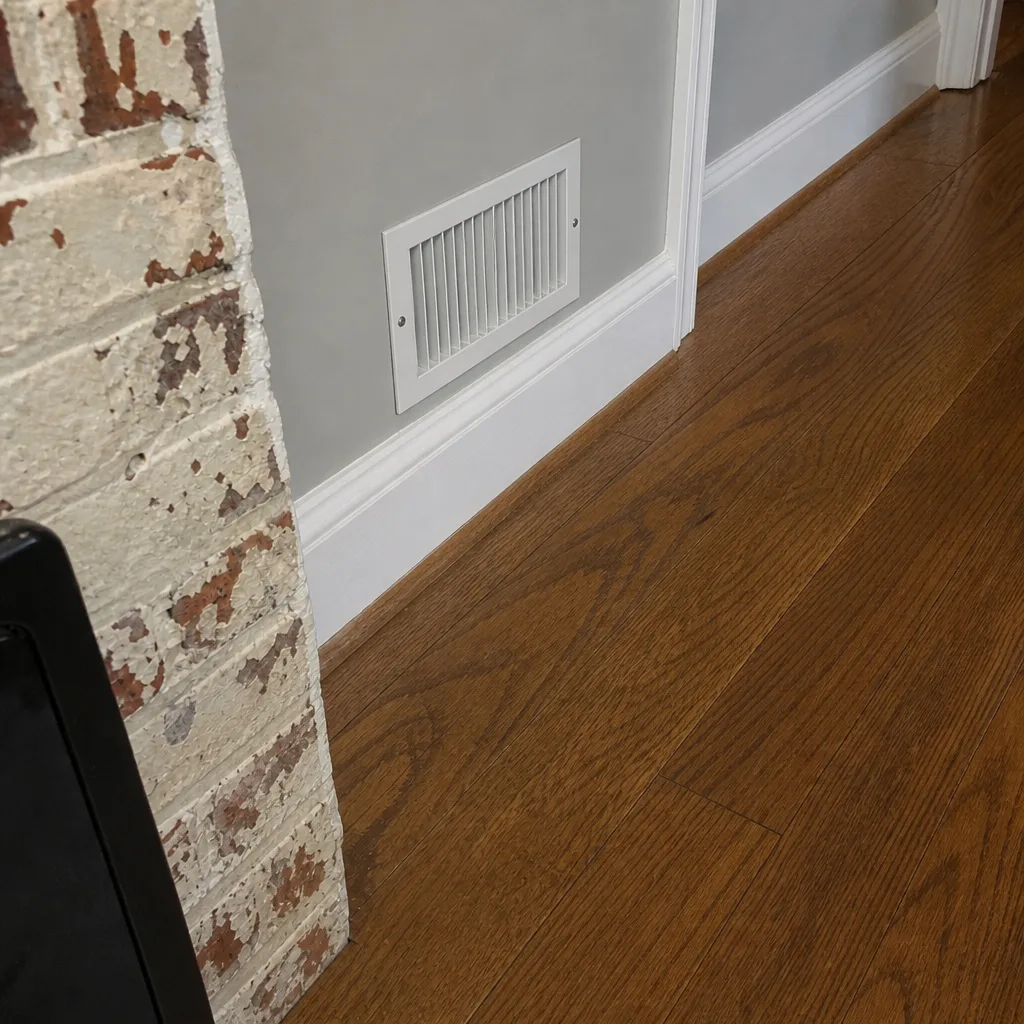 After
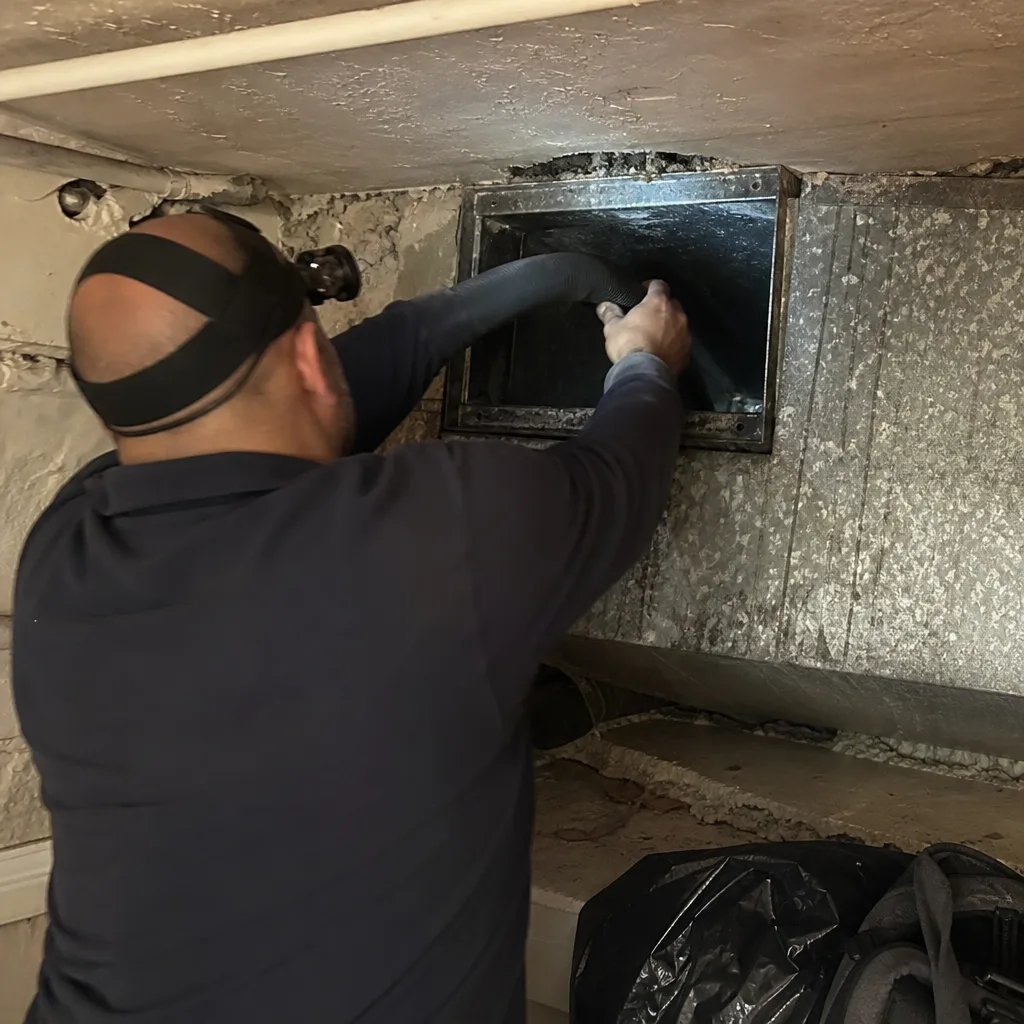 Before
 After
 Before
 After
When to Call a Professional
Some situations clearly need a professional before any work starts: a visible collapse or crush in a duct run, a musty odor coming from a register that persists after the system has run, a known history of moisture intrusion in the system, microbial growth visible at a register or on the air handler, or a duct system that has not been cleaned in years and is now slowing airflow. In older Greenwich Village buildings, a system that has never been inspected after multiple renovations is also a trigger. A duct repair that appears to involve structural change, or any question about whether a permit is needed, goes to a licensed mechanical contractor – not a cleaning crew. Air Duct Cleaning Greenwich Village offers free estimates in Greenwich Village. Call (855) 337-2008. We answer 24/7 and fast dispatch runs from 7am to 7pm, Sunday through Friday.
Frequently Asked Questions
No. Routine air duct cleaning in Greenwich Village does not require a permit from the NYC Department of Buildings because it removes debris from an existing system without altering it. Duct repair, replacement, or any change to the system’s configuration can require permitted work under the NYC Construction Codes, and those cases should be handled by a licensed mechanical contractor. Call (855) 337-2008 for a free estimate.
If the work changes the duct system in any way (patching, replacing sections, adding liner, sealing, or rerouting), assume a permit may be required and confirm with a licensed mechanical contractor before work begins. Cleaning only, without a change to the system, generally does not require a permit. Call (855) 337-2008 and we’ll walk through the scope with you so you know which category your job falls into.
Search the building’s address in the NYC Department of Buildings online records portals, which list permit history and certificates of occupancy. Compare permitted work against what you can see in the building – altered risers, new exhaust runs, replaced equipment – and flag anything that does not have a matching permit. Call (855) 337-2008 for a free estimate on the cleaning side while you sort out the record.
Keep a written scope, before-and-after photos of the duct interior, repair notes with materials and the contractor’s credentials, and any notes on equipment condition – including condition of any Honeywell or Aprilaire controls. The package should live in the building’s maintenance file, not a private folder. Call (855) 337-2008 for a free estimate.
Cleaning alone usually doesn’t count as an alteration because it doesn’t change building systems. Duct repair, replacement, or rerouting that affects the mechanical system likely does trigger the board’s alteration agreement and should go through the board’s process. Call (855) 337-2008 and we’ll clarify which parts of your job are cleaning and which need the board.
Lower quotes usually come from crews that skip containment, use consumer-grade vacuums instead of professional systems like Rotobrush or Nikro, and quietly perform repairs without a licensed mechanical contractor on record. The price is lower because less work is being done and less is being documented. Call (855) 337-2008 for a free estimate built on the full scope of work.
The Bottom Line
Air duct cleaning in Greenwich Village generally does not require a permit, but the repair work that often accompanies it can. What protects you – whether you own a single apartment or sit on a co-op board – is knowing which category the work falls into, asking who is licensed to do the repair, checking the DOB’s public records, and keeping documentation that travels with the building rather than dying in a private email folder. Cleaning, repair, and sanitizing under one roof with professional-grade equipment is what a real duct job looks like. Silent repairs and thin files are what trouble looks like later.
If you’re ready to schedule a cleaning, a repair assessment, or a full scope review in Greenwich Village, call Air Duct Cleaning Greenwich Village at (855) 337-2008 for a free estimate. We answer 24/7 and fast dispatch runs from 7am to 7pm, Sunday through Friday. Our technicians have up to 9 years of experience.
Written by the team at Air Duct Cleaning Greenwich Village.