
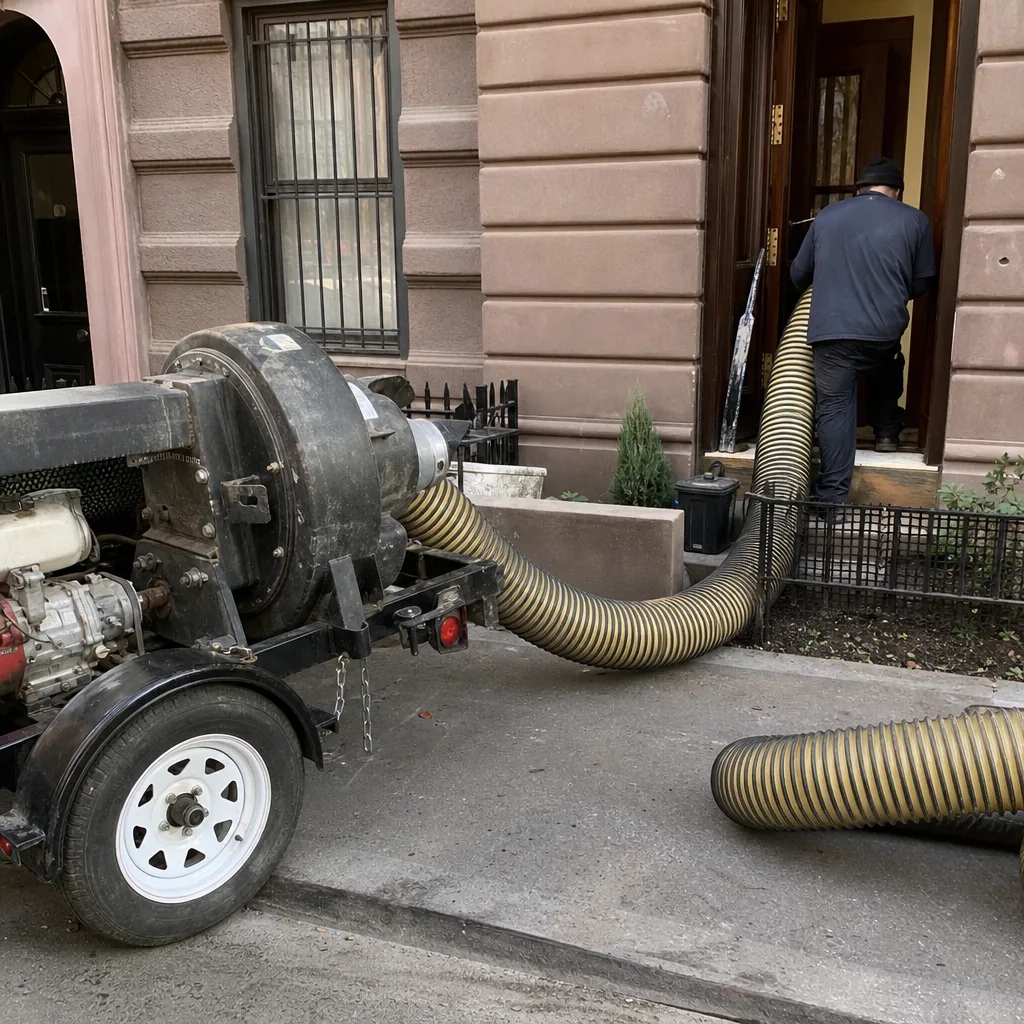
Last updated November 22, 2026
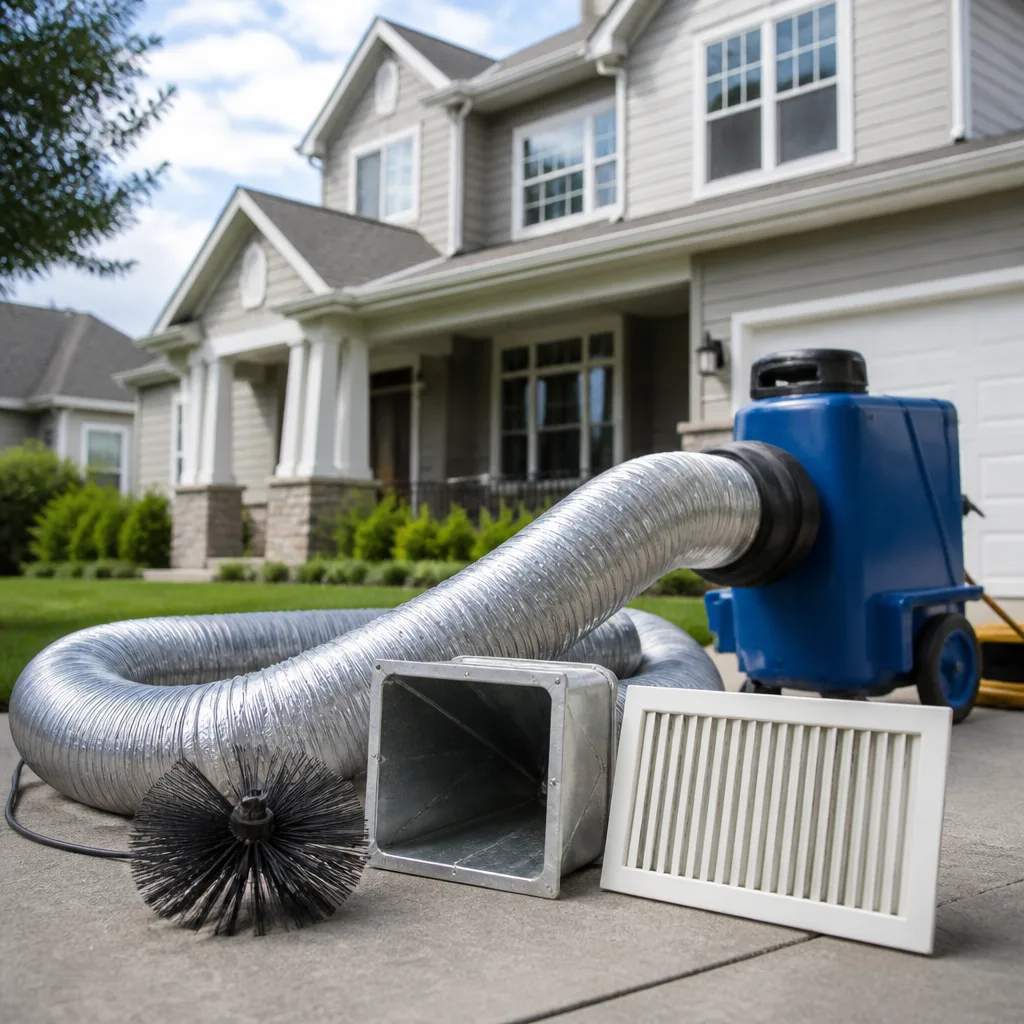 Whole-home duct cleaning
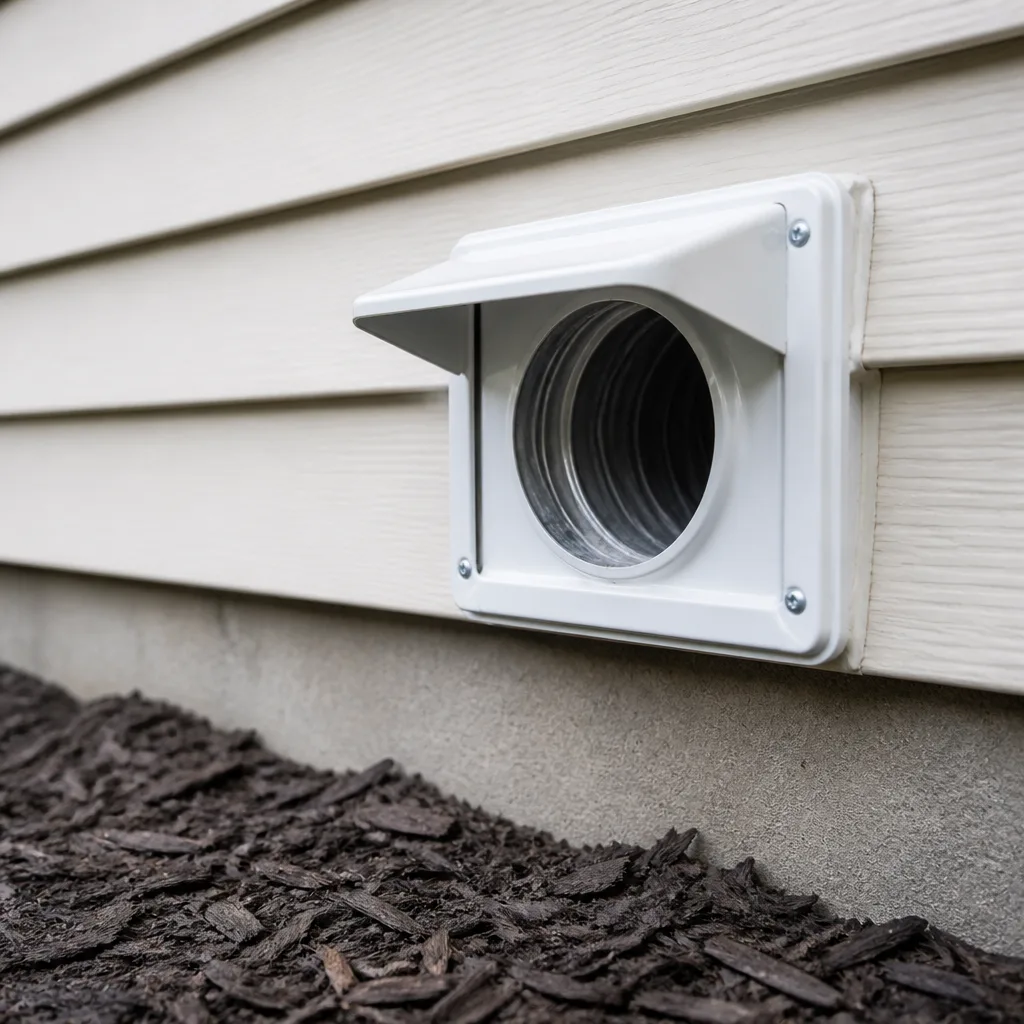 Dryer vent cleaning
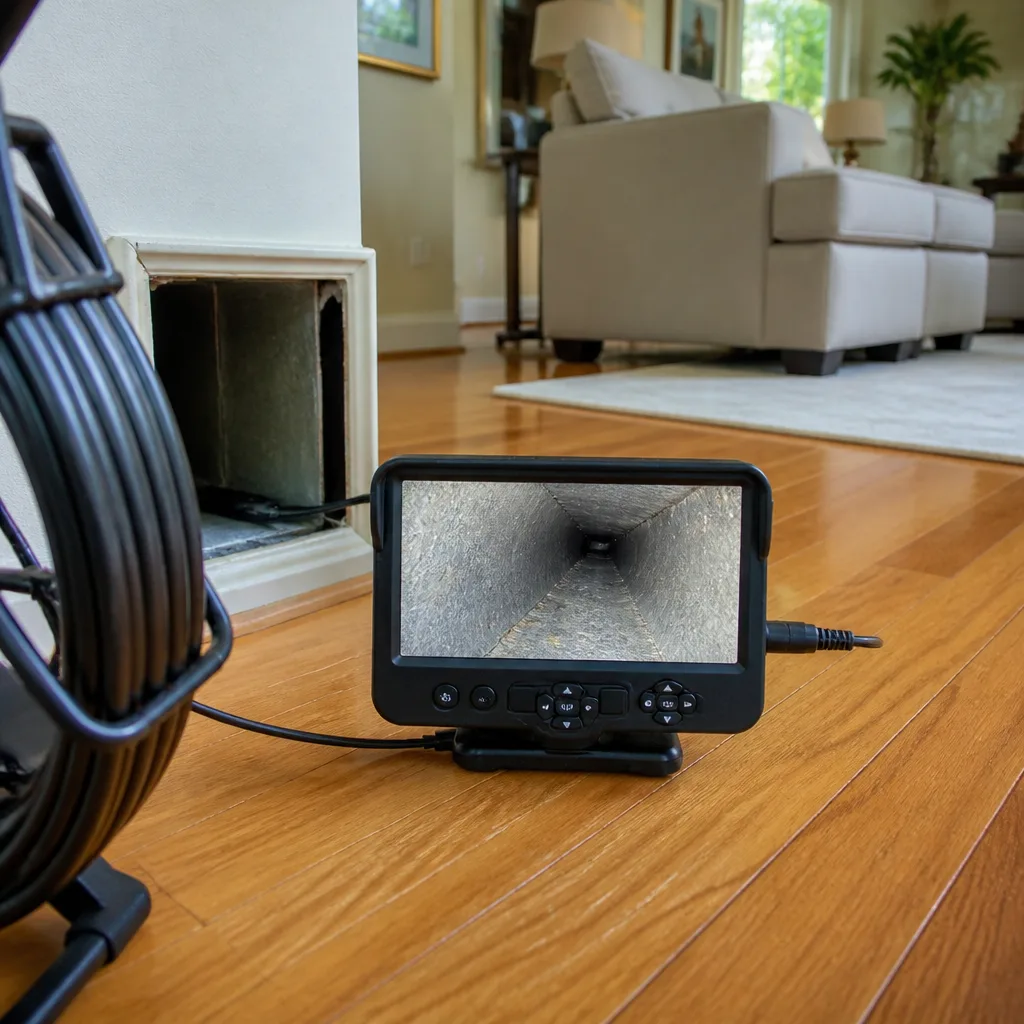 Camera inspection
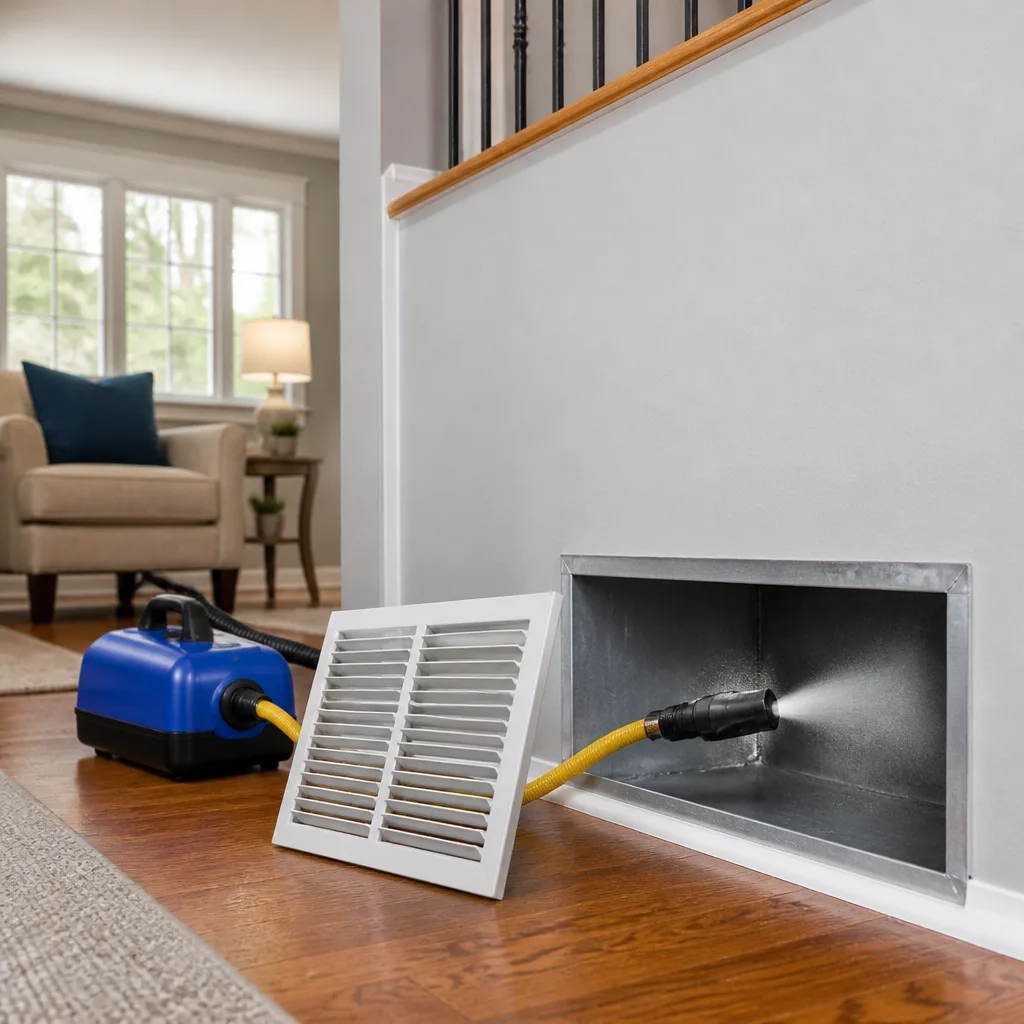 Sanitizing & deodorizing
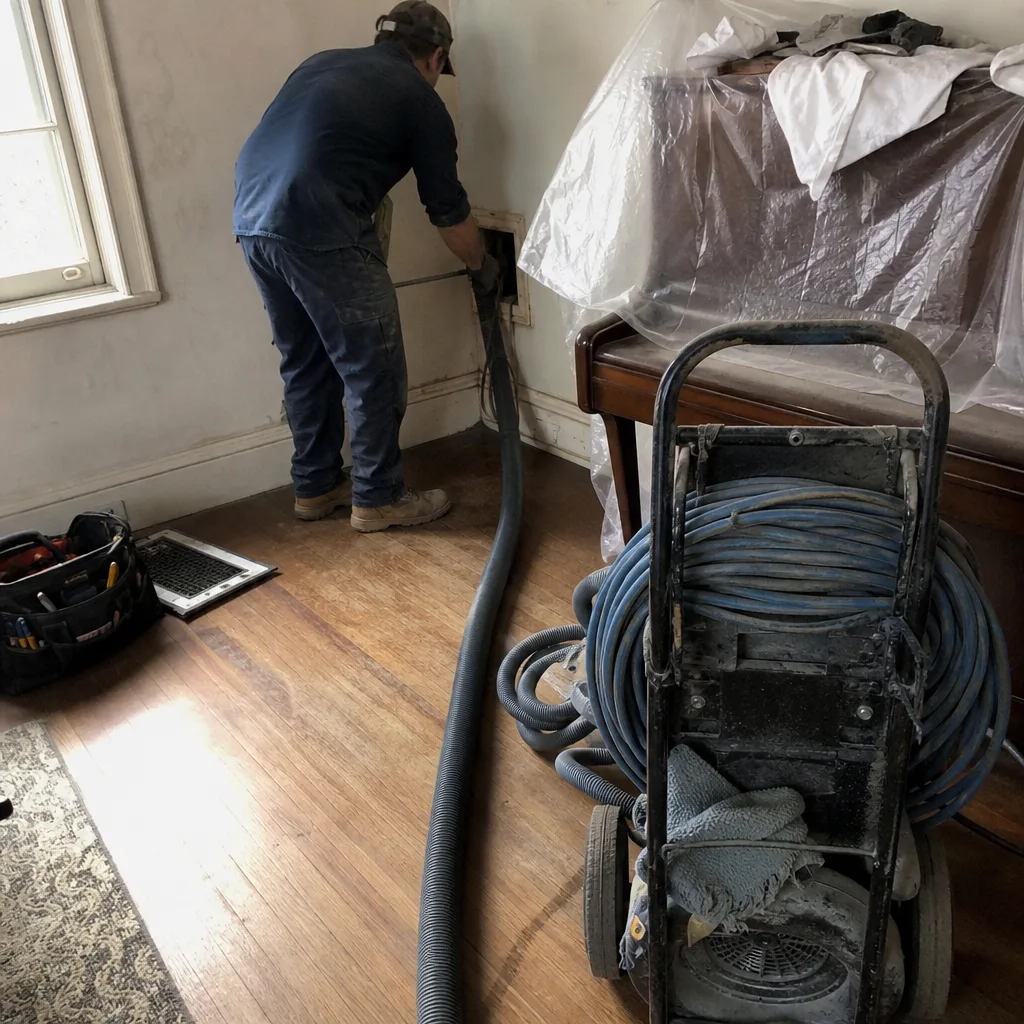
Whole-system duct and dryer vent check with before-and-after photos - you see exactly what came out of your vents
That "$99 whole-house special" is a bait ad - the real number appears once they are in your hallway, or the "clean" is a shop-vac at the register. We photograph the inside of your ducts before and after instead.
Air Duct Cleaning Warning Signs: A Greenwich Village Homeowner’s Reference Guide
The signs that your ducts need attention rarely announce themselves as duct problems. A room that runs warm gets blamed on the thermostat. A musty smell on startup gets blamed on the building. Scratchy throats in April get blamed on pollen. In our experience working through Greenwich Village apartments and townhouses, most of these symptoms trace back to the same handful of duct-system conditions, and they’re identifiable long before anything dramatic happens. This guide walks you through the warning signs in order of how easy they are to check yourself, explains what each one actually indicates inside the system, and tells you which are self-diagnosable and which call for professional equipment. By the end you’ll know how to read your own HVAC system the way a technician does.
Quick Answer
The main warning signs of a duct problem are visible dust rings around supply registers, musty odors when the system starts, rooms that never heat or cool evenly, filters that clog faster than they should, and a spike in dust after nearby renovation work. Any one of these on its own is worth investigating. Two or more appearing together usually means debris, a disconnected section, or microbial growth somewhere in the duct run.
Styles & brands we work with
- Whole-home duct cleaning
- Dryer vent cleaning
- Camera inspection
- Sanitizing & deodorizing
Table of Contents
- Dust Rings Around Supply Registers
- Musty or Stale Odors on HVAC Startup
- Uneven Airflow: The Tissue Test
- Filter Loading Rate as a Diagnostic
- Post-Renovation Particulate in Pre-War Buildings
- What Happens When You Call
- Common Mistakes to Avoid
- When to Call a Professional
What Do Dust Rings Around Supply Registers Actually Mean?
Dust rings around a supply register mean air is moving past the grille carrying debris that settles at the edges. That’s the short answer. The distinction that matters is whether you’re looking at ordinary surface dust or the signature of active debris inside the duct. Surface dust on a grille face is normal and wipes off clean. A dark ring fanning out from the register frame into the surrounding drywall or plaster, especially one that returns after cleaning, tells a different story: particles are being pushed out under pressure and depositing at the boundary where airflow slows.
How to tell the two apart
- Surface dust: an even, light film across the whole grille that wipes away with a damp cloth and stays gone for weeks.
- Active debris: a distinct ring or halo at the edges, often darker, that reappears within days of cleaning. Sometimes the grille itself has visible buildup on the inside face.
- Call a professional: streaks leading down the wall below a ceiling register, which suggests condensation or air escaping around an unsealed boot rather than dust alone.
In Greenwich Village, the pattern shows up in older buildings where plaster walls and original duct chases have never been lined or sealed. Debris settles in the chases, then gets pulled back into the airstream every time the system cycles. When the rings keep returning, that’s the point where professional extraction rather than a wipe-down is the honest next step. We use a Rotobrush rotary-brush system for exactly this reason: the rotary action agitates debris off the duct walls before extraction, so what’s removed stays removed instead of resettling.
Musty or Stale Odors on HVAC Startup: What Are You Actually Smelling?
A musty smell that appears in the first few minutes after the system kicks on and then fades is almost always coming from inside the duct system or the air handler, not the room. The question a technician asks first is whether you’re smelling heated metal and dust (a normal first-start-of-season smell) or something earthy and damp. Those two lead to different diagnoses.
Odor types and what they suggest
- Dry, dusty, slightly metallic on first heat cycle: dust burning off the heat exchanger. Normal for the first run of the season. Not a duct-cleaning trigger on its own.
- Earthy, musty, persistent: microbial growth, usually in duct liner, on the cooling coil, or in the condensate drain pan. This smell recurs every time the system runs and is the one worth acting on.
- Sour or sharp after the AC runs: often a drain pan that isn’t draining properly and is holding standing water.
Musty odors are where DIY inspection stops. The growth is usually upstream of where you can see, in the plenum or on liner material, and disturbing it without containment spreads spores into living space. Anyone checking for this should use negative-air equipment to hold contamination at the source. That’s what air duct cleaning with proper containment involves: Abatement Technologies negative-air units run throughout the job to keep particles out of your rooms rather than pushing them around. If the smell is musty and persistent, that’s the professional call, not the DIY one.
Uneven Airflow by Room: The Tissue Test and What It Reveals
If one room in your apartment consistently runs warmer or cooler than the rest and the thermostat and refrigerant have already been ruled out, the problem is almost always in the duct run serving that room. It’s one of three things: a blockage, a disconnected section, or a collapsed flex duct. The tissue test tells you whether that specific register is actually receiving air, which narrows the list fast.
The tissue test, step by step
- Turn the system on and let it run long enough to reach steady airflow.
- Hold a single-ply tissue near, not against, the face of the register in the problem room.
- Compare how the tissue responds to the same test at a register in a room that heats or cools normally.
- If the problem-room tissue barely moves, the run has restricted airflow. If it’s pulled firmly against the grille, the register is delivering but the room may be losing conditioned air through leaks elsewhere.
- If air comes out but feels weak relative to other rooms, look at whether the register has a damper that’s partly closed before assuming duct damage.
A near-dead register usually points to a disconnect or collapse in the run between the trunk and the boot. Old Greenwich Village buildings with original chases and later retrofits of flex duct are where this shows up most often, because the flex run has been snaked through a tight chase and can get pinched or torn during unrelated work. If your tissue test says the run is restricted, the next step is professional inspection with a camera, not guessing at the wall.
A slower-to-heat room in Greenwich Village can also reflect the building itself. Thick plaster walls, radiators that were converted or supplemented with forced air, and rowhouse layouts with long back-of-the-house runs all affect how air distributes. The tissue test separates building effects from duct effects.
Filter Loading Rate: What an Accelerating Replacement Cycle Tells You
Your filter’s service life is a diagnostic, not just an errand. If a filter that used to last three months is now loading up in four weeks, the system is pulling more particulate than before, and the source is usually upstream of the filter. In a forced-air system the filter sits at the return, ahead of the blower and the supply ducts. So an accelerating load can come from two directions: more debris entering the return, or debris that has already collected in the return ducting and is being recycled through the filter.
How to calculate your filter’s actual service life
- Note the date you install a fresh filter.
- Check it every two weeks. Hold it up to light: when you can’t see light through it, it’s loaded.
- Record the date you swap it. That’s your real service interval for that season.
- Track the interval across a full year. A steady shortening from season to season points to a developing duct-side problem; a change around a renovation points to construction debris.
Pleated filters load faster than the flat fiberglass type because they trap more fine particles, which is the job, but a sudden change in the rate for the same filter type is the signal. If you’ve ruled out filter grade changes and a new pet, an accelerating cycle is a good reason to inspect the return ducting. In our experience, return ducts in older Greenwich Village buildings accumulate debris in ways that rarely get looked at because they’re harder to reach than supply runs.
Post-Renovation Particulate: Why Pre-War Buildings Need an Inspection Trigger
Construction work in your unit, or an adjacent unit, is an immediate trigger for duct inspection in pre-war Greenwich Village buildings, and this point gets underestimated more than any other on this page. The reason is the shared chase: many buildings in the neighborhood were built with duct and plumbing chases running between apartments and floors, and when walls come down on a renovation, the dust doesn’t respect unit boundaries. Drywall dust, sawdust, and insulation fibers get pulled into the building’s air paths and can end up in your returns and supply runs even if you never touched a wall.
What to watch after renovation work
- A visible dust surge on horizontal surfaces in rooms adjacent to the work.
- Rapid filter loading in the weeks following new construction or wall work on your floor or the floor above.
- New musty odor, which can mean moisture got into the chase or a duct has been disturbed and is now pulling in air from a wall cavity.
Drywall dust is abrasive and paper-fine; it clings to duct liner and doesn’t let go with a vacuum at the register. In pre-war buildings with plaster dust and older ducting, the honest professional response is containment-first extraction. That’s why our approach includes Abatement Technologies negative-air filtration on the job, not as an add-on but as the standard for any job where containment matters. If renovation dust or moisture has reached the system, a camera inspection and a full extraction are worth asking about.
What Happens When You Call: Process and Equipment
If the checks above point to the ducts, the next step is understanding what a thorough job actually involves, because this is where the industry splits. A proper duct cleaning on a Greenwich Village apartment runs the full course: inspection, containment, agitation, extraction, and a look at whether any damage discovered needs repair. The equipment names matter. Purpose-built machines do work that a consumer vacuum can’t.
- Inspection and scope. The technician maps supply and return runs, identifies any obvious disconnect or collapse, and confirms which sections need attention.
- Containment setup. A negative-air unit runs during cleaning to hold dust at the source and keep it from reaching living spaces. This is standard remediation practice, and it’s why we bring Abatement Technologies units to jobs where cross-contamination risk is real.
- Agitation and extraction. Rotobrush and Nikro professional systems agitate debris off duct walls and extract it, rather than only surface-vacuuming the run.
- Repair and sealing where discovered. Leaks, gaps, and disconnected sections found during cleaning are addressed as part of the same scope.
- Air quality treatment. Where microbial growth or persistent odor has been identified, sanitizing goes beyond debris removal. On homes with Honeywell or Aprilaire whole-home systems, we work with the existing hardware rather than around it.
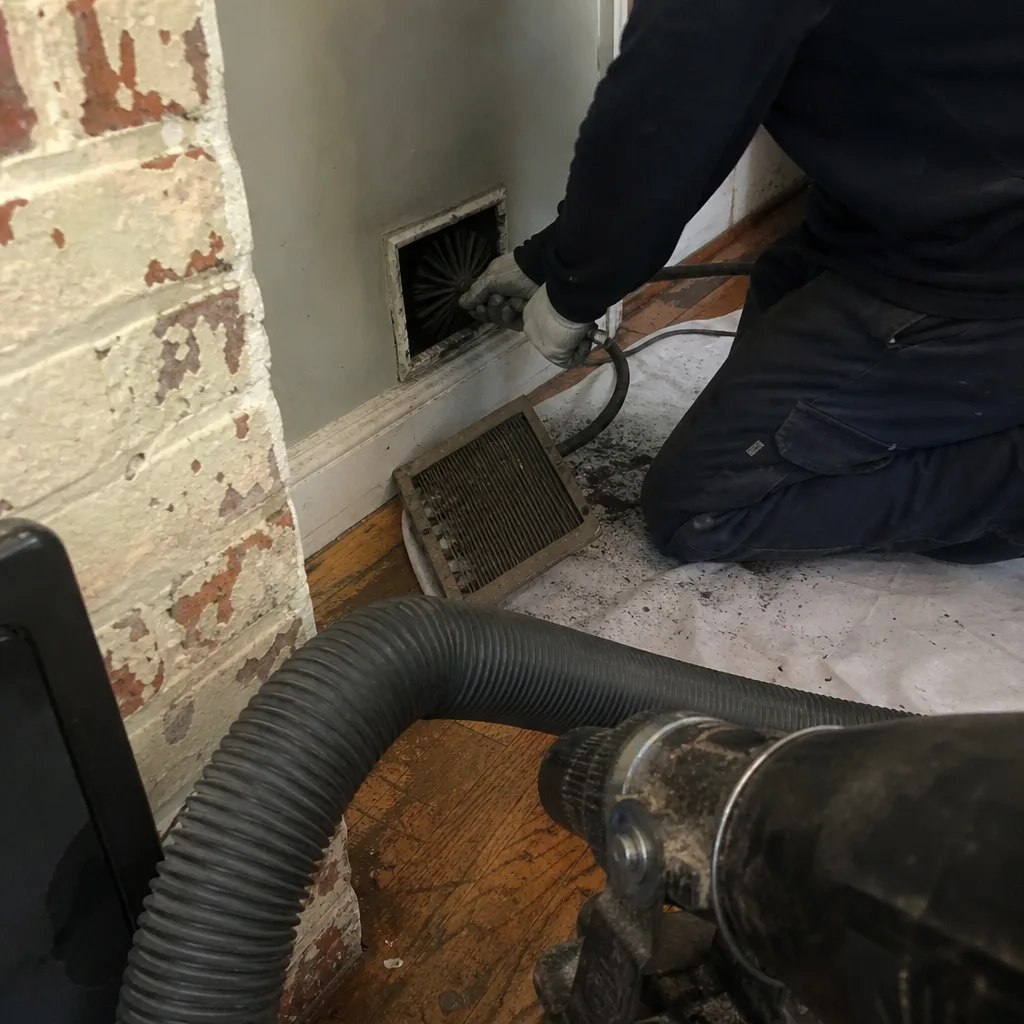
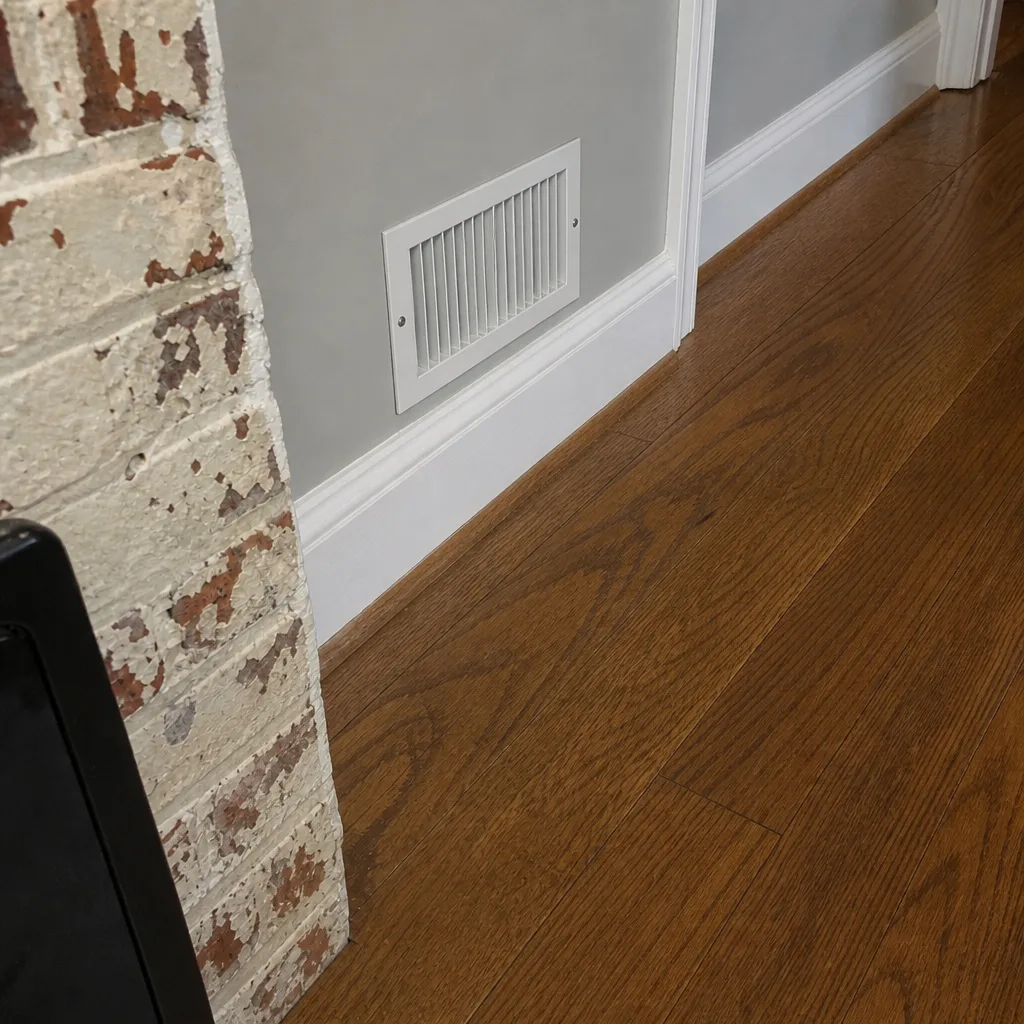
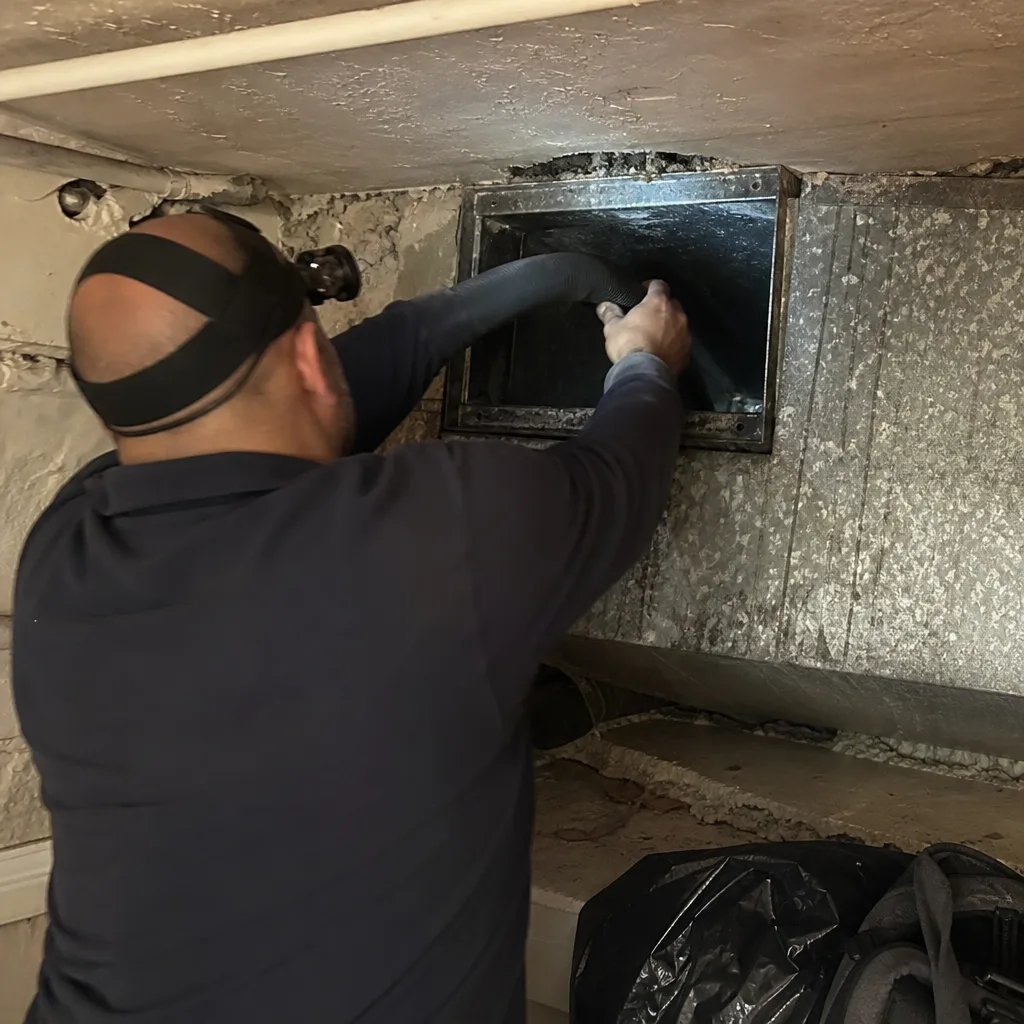
- Documentation. Before-and-after views of the run show what was removed, so the finished state can be verified rather than assumed.
Greenwich Village has a particular wrinkle here: many of the buildings are old enough that original duct chases are tight and long, and in-unit equipment varies more than in newer construction. That’s one reason a thorough job takes longer than the standard coupon-crew visit. Speed-selling contradicts the actual scope.
Common Mistakes to Avoid
- Cleaning supply registers but not returns. The return side is where debris accumulates first and gets recycled through the filter. A Greenwich Village job that only touches supply runs leaves the source in place.
- Assuming a fresh-coat smell on first heat is a duct problem. It’s normal for the first run of the season. A musty, persistent smell is the one to act on.
- Taking an estimate that quotes per vent. Per-vent pricing pushes the incentive toward counting vents, not toward cleaning the system. Ask for a per-system scope instead.
- Skipping the negative-air question. Without containment, a cleaning can push dust into living space rather than remove it. Ask whether the crew brings a negative-air unit.
- Ignoring renovation dust. In a pre-war building with shared chases, construction dust can reach ducts in a unit that was never opened. Don’t wait for the problem to announce itself visually.
- Skipping the dryer vent because the ducts were done. Dryer vent cleaning is a separate line item and a genuine fire-risk reduction; it doesn’t come free with a duct cleaning unless it’s in the scope.
- Not checking the drain pan. A sour smell after the AC runs can be standing water, not duct debris, and the two get treated differently.
When to Call a Professional
Call a professional when two or more sections of this guide stack up: a persistent musty odor with dust rings, an accelerating filter cycle with a weak register, a renovation on your floor followed by a dust surge. Call immediately if you smell gas or see visible water pooling near the air handler, because those aren’t duct-cleaning problems. For the duct-specific cases above, the reason to call rather than guess is the equipment: a negative-air setup and a rotary-brush system are what separate a real cleaning from a surface pass. Air Duct Cleaning Greenwich Village offers free estimates in Greenwich Village – call (855) 337-2008. We answer 24/7. Fast dispatch from 7am to 7pm, Sunday through Friday. Estimates are free, and the price is set per job by the written estimate.
See the difference
 Before
 After
 Before
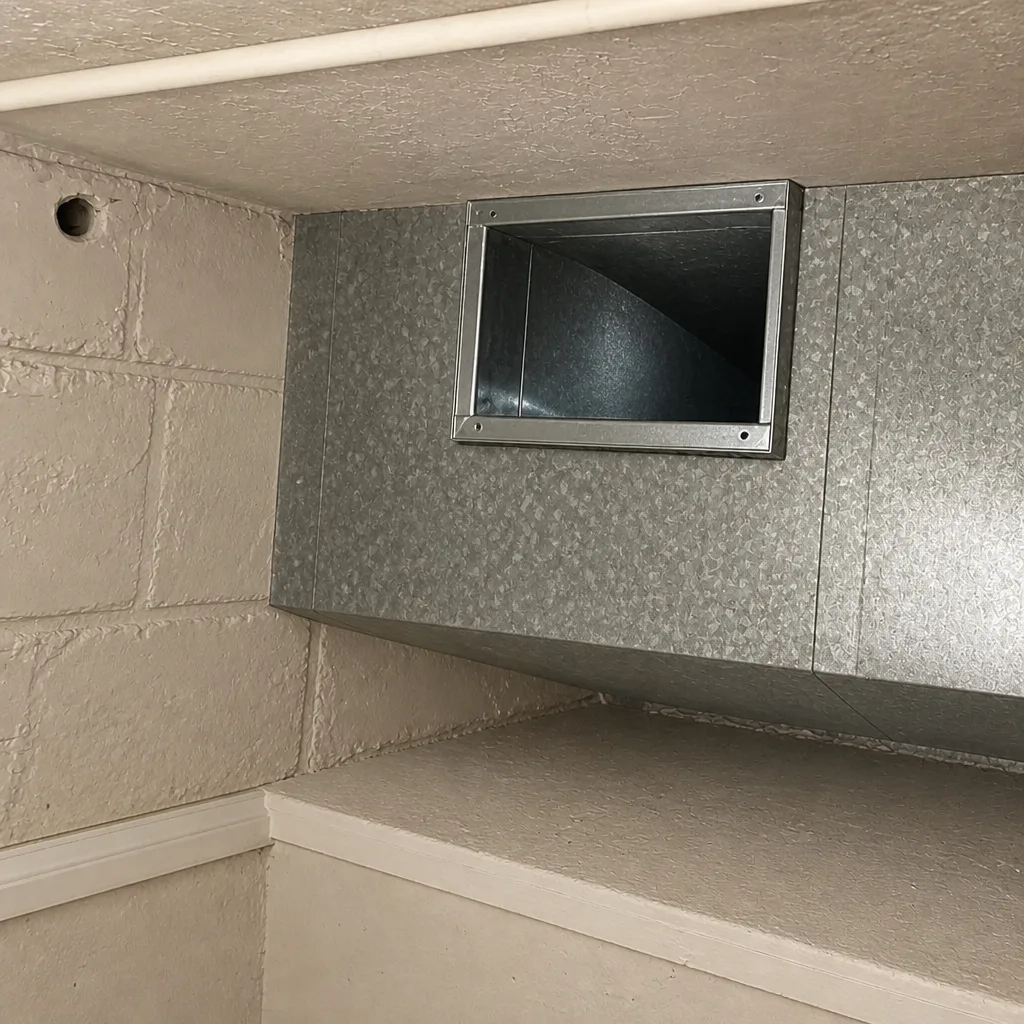 After
 Before
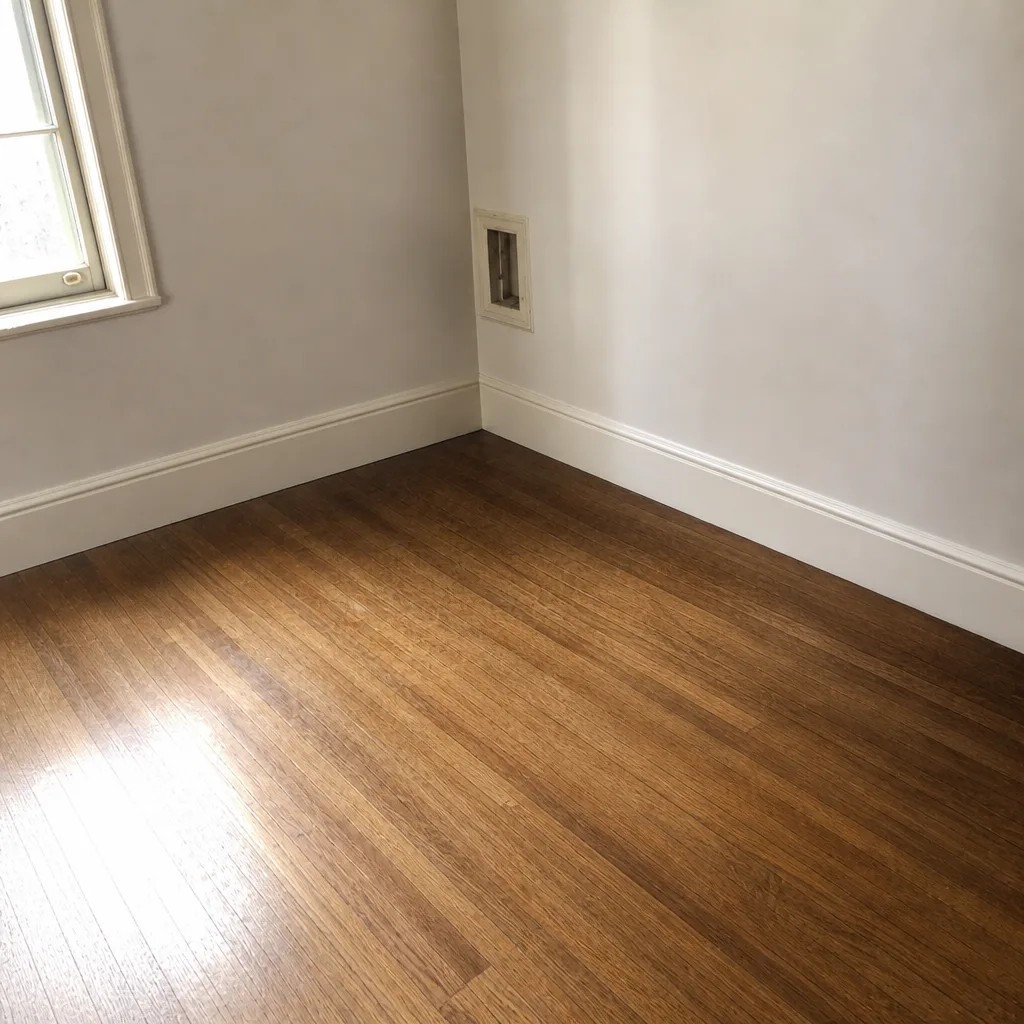 After
Frequently Asked Questions
There’s no honest fixed number, because a Greenwich Village apartment building’s duct layout varies far more than the national average suggests. Whole-system pricing is what you should ask for, and any quote should be a written, per-system figure agreed before work starts rather than a per-vent or teaser rate. For an exact number on your system, call (855) 337-2008. We answer 24/7. Fast dispatch from 7am to 7pm, Sunday through Friday. Estimates are free.
Cheap quotes usually cover a surface pass: a shop-vac adapted for the register, no containment, no inspection of the return side. That’s a different scope, not a discount. The variables that change a legitimate price include whether the return runs are included, whether negative-air containment is brought, and whether repair or sealing is anticipated. Ask what the lower quote actually includes before comparing numbers.
Ask for before-and-after documentation of the run, and ask whether the crew can show it to you. That’s the standard we work to: photographs of the duct interior before and after, so the finished state is verifiable rather than described. A crew that can’t show the run is a crew you can’t check.
It depends on the building and the occupant more than on a calendar. Post-renovation dust, pets, allergy-sensitive residents, and buildings with shared chases are all factors that justify more frequent attention. In a pre-war building where the ducts have never been inspected, one inspection to establish baseline condition is worth doing before deciding on any schedule. Call (855) 337-2008 with the specifics and we’ll tell you what the job would involve.
Only if the cause is in the duct run. If the tissue test shows weak airflow to that register, a disconnected or collapsed section is a plausible cause, and repair plus cleaning can resolve it. If the airflow is normal but the room stays off-temperature, the issue is likely envelope or equipment and belongs to a different conversation.
It’s worth it when the symptom pattern points to the ducts, not the season. If symptoms worsen specifically after the system runs, or track a musty smell, the ducts are a reasonable place to look. If symptoms are constant regardless of the HVAC state, the ducts are unlikely to be the whole answer. A professional inspection is the honest way to find out which you’re dealing with.
The Bottom Line
The most predictable duct warning sign is a stack of small, ordinary symptoms that all point the same way: a register that keeps dusting, a room that won’t behave, a filter that loads early, a smell that returns on every startup. In Greenwich Village, old plaster walls, tight chases and shared returns mean these signs are easy to blame on the building and hard to spot as system issues. The right response is to check what’s checkable, then bring in proper equipment for what isn’t. Call (855) 337-2008 for a free estimate. We answer 24/7. Fast dispatch from 7am to 7pm, Sunday through Friday. Related pages worth reading: Air Duct Cleaning Greenwich Village for the full service overview, dryer vent cleaning for the fire-safety side, and HVAC cleaning for the equipment end of the system.
Written by the team at Air Duct Cleaning Greenwich Village.