
Last updated November 22, 2026
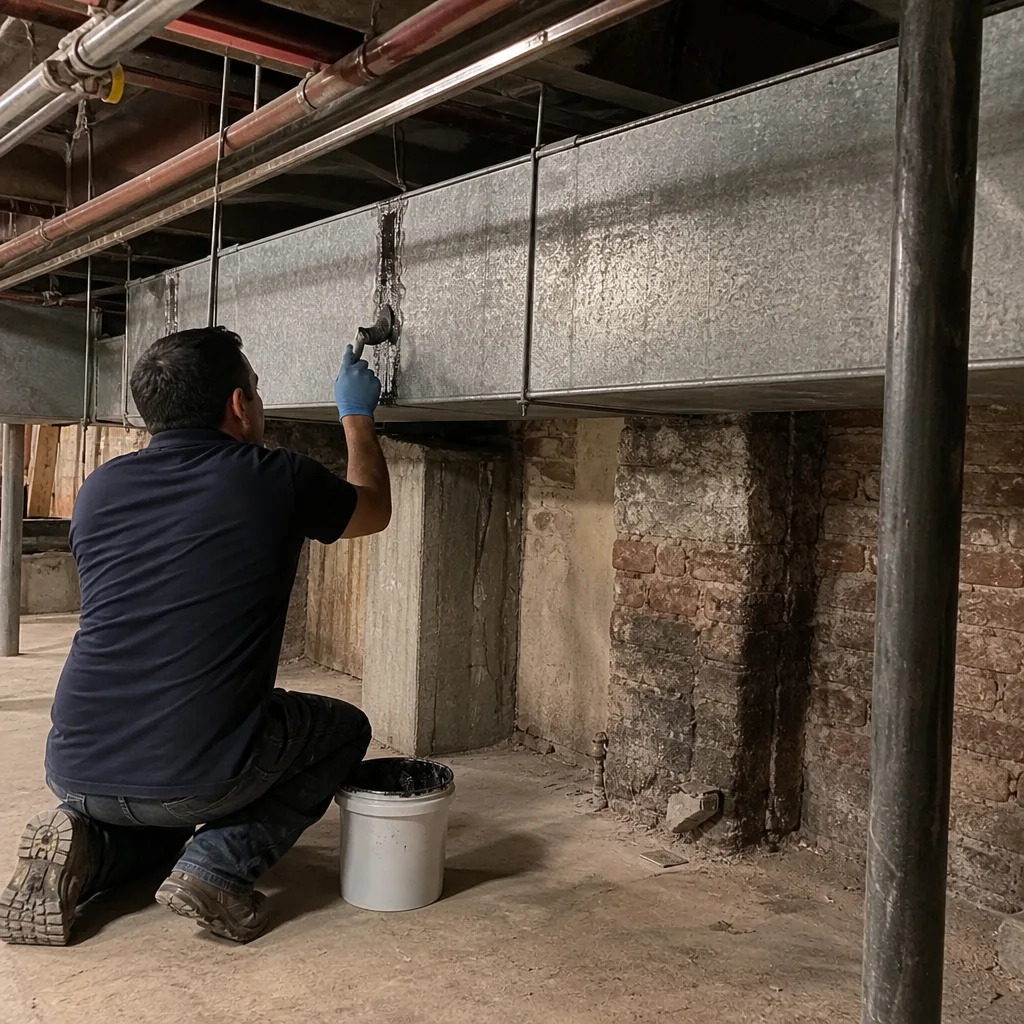
 Whole-home duct cleaning
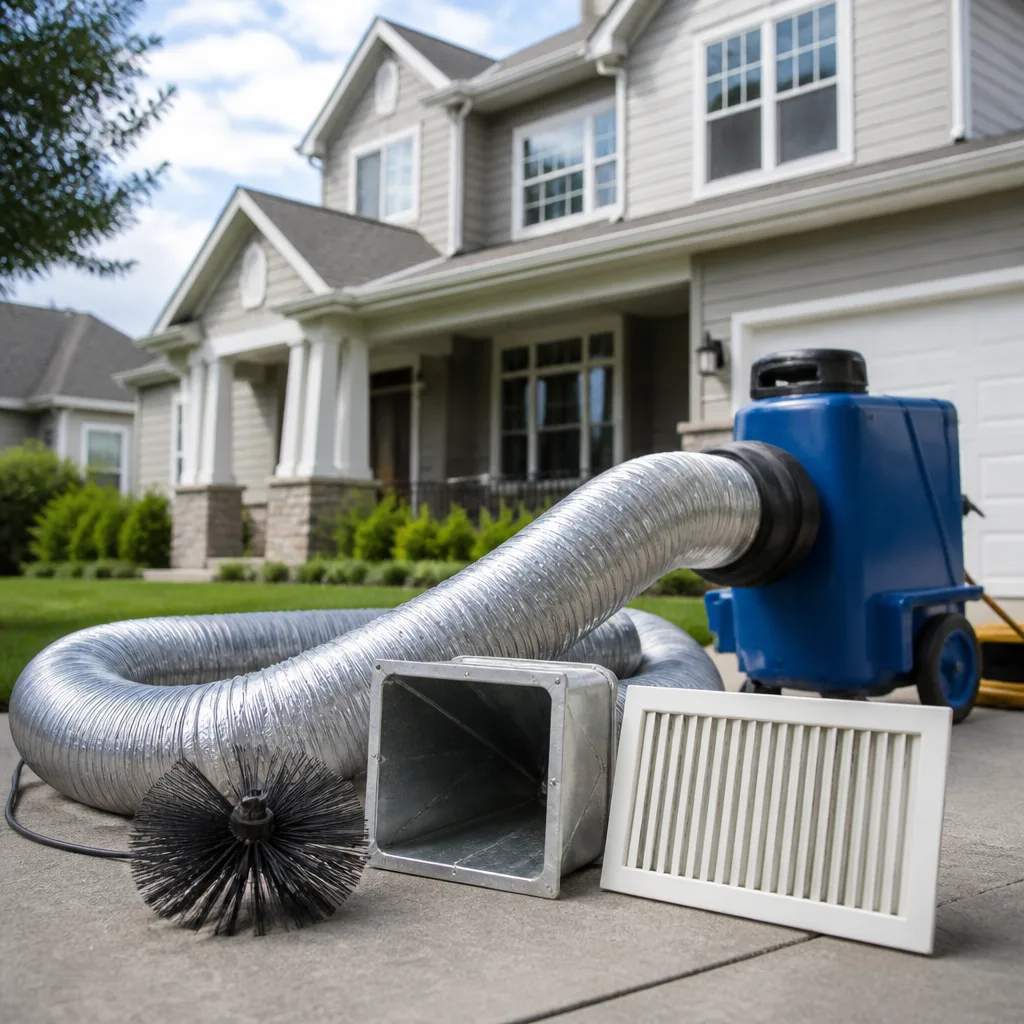
 Dryer vent cleaning
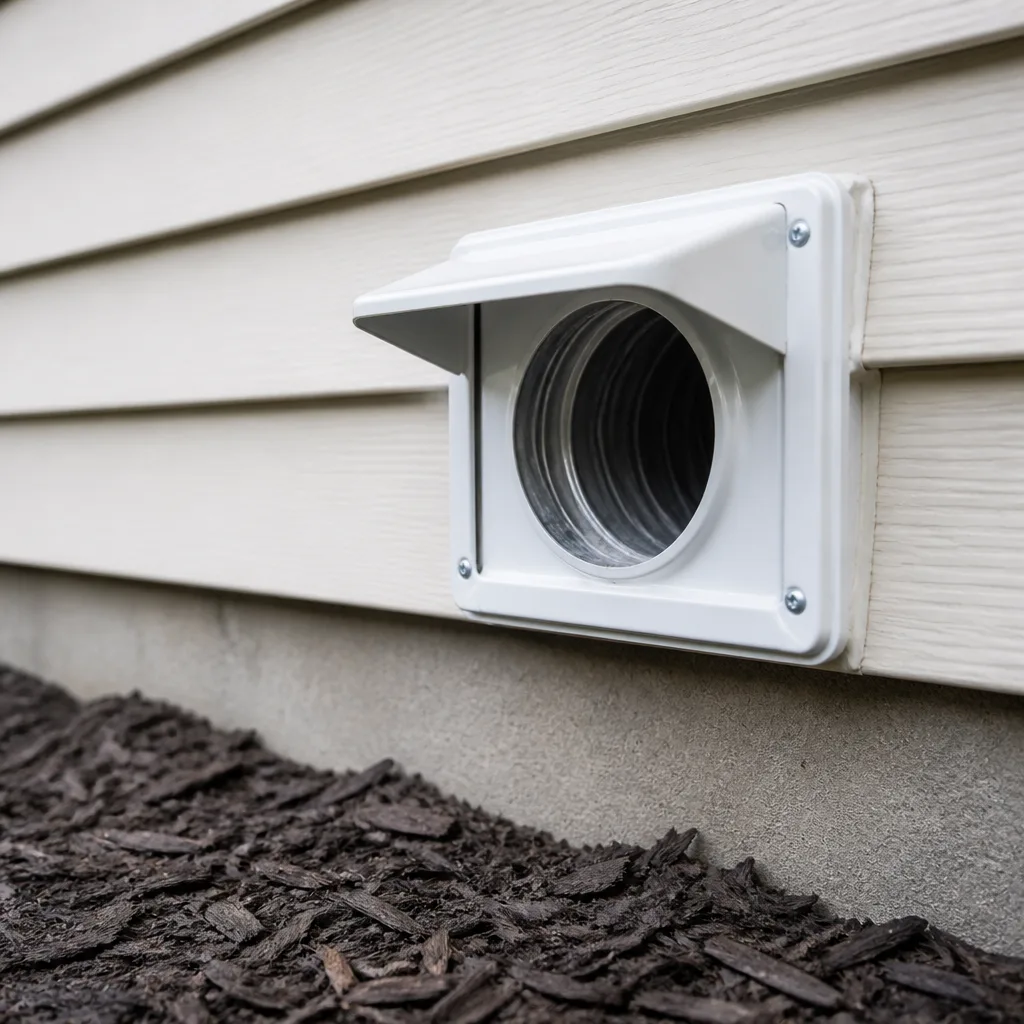
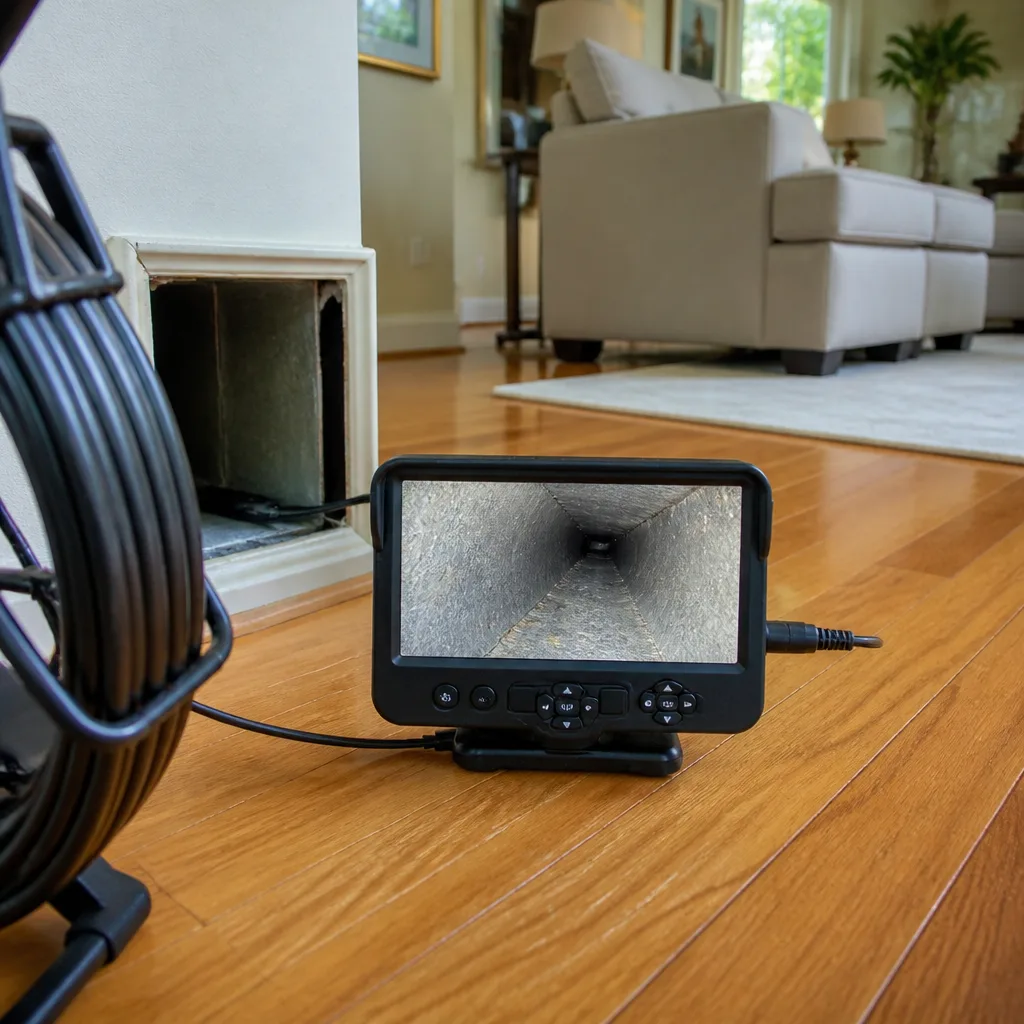 Camera inspection
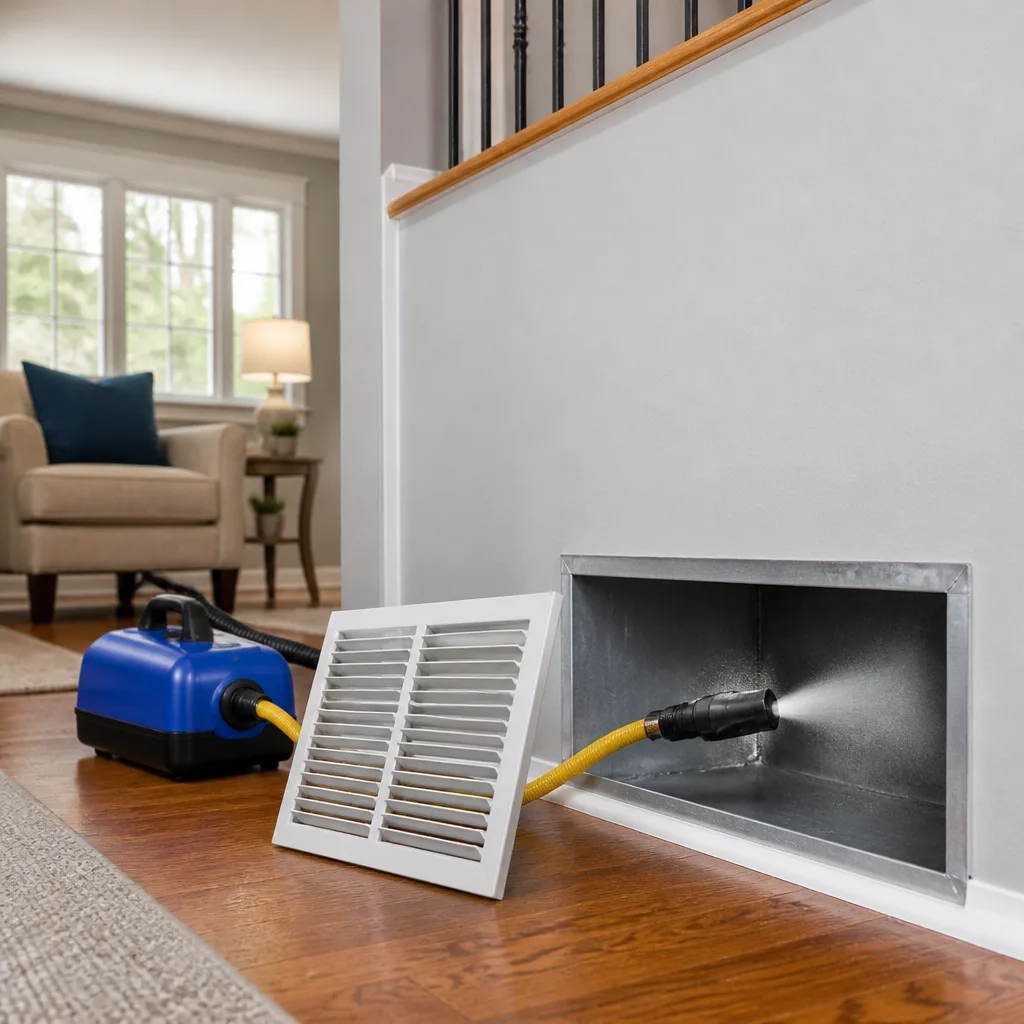 Sanitizing & deodorizing
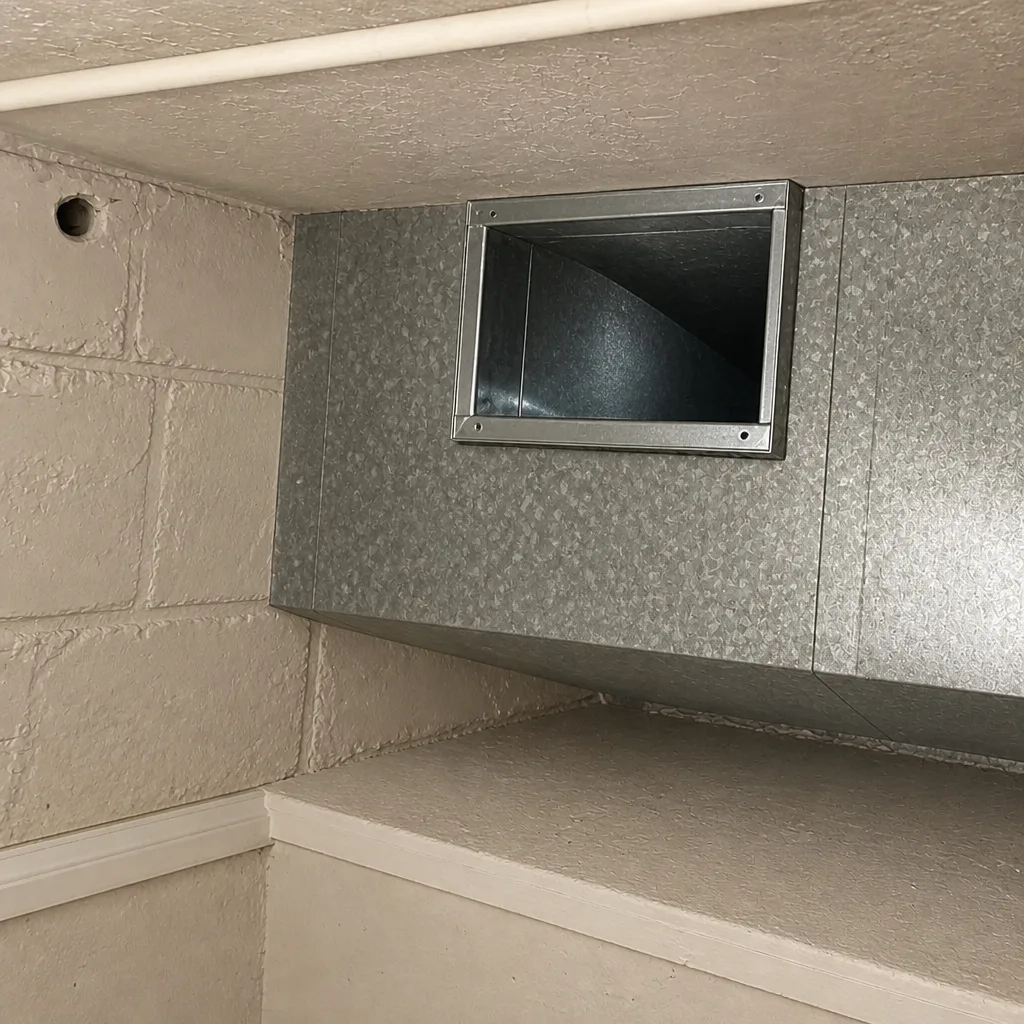
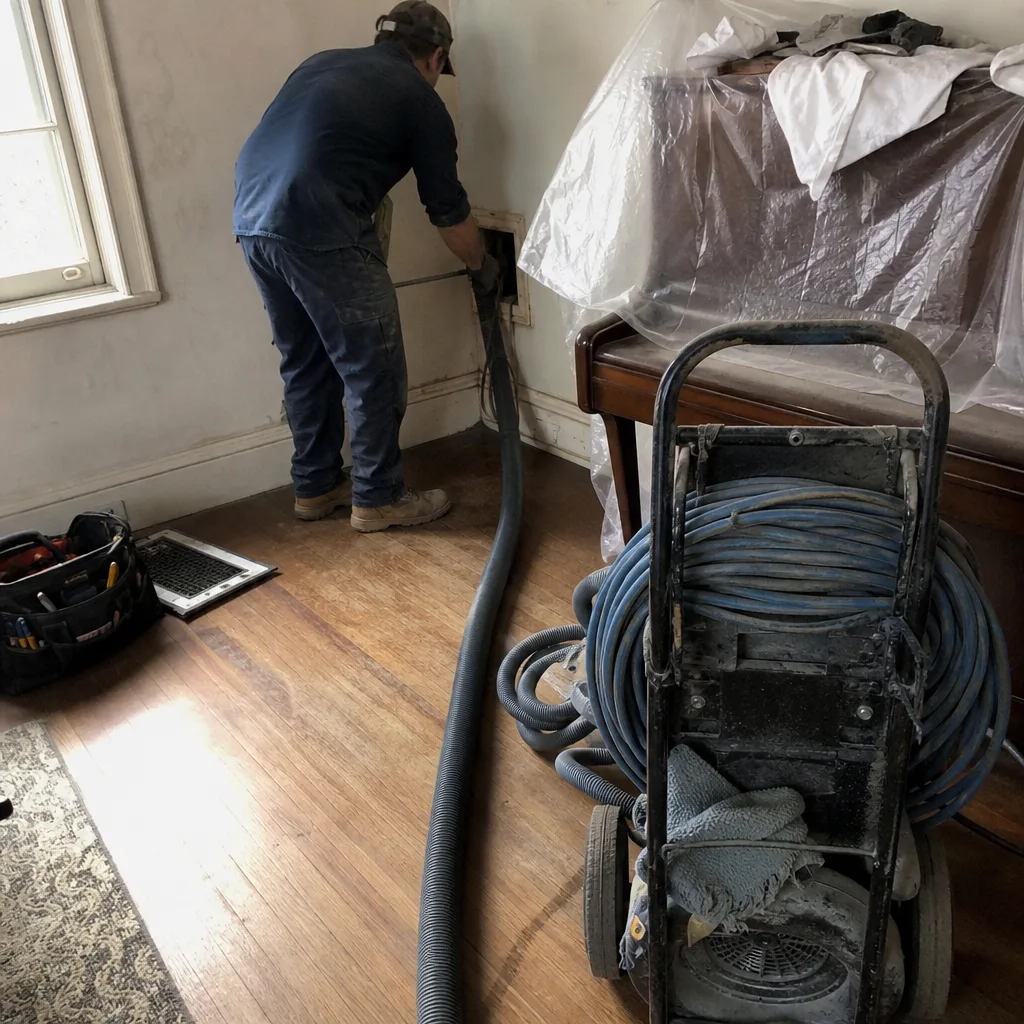
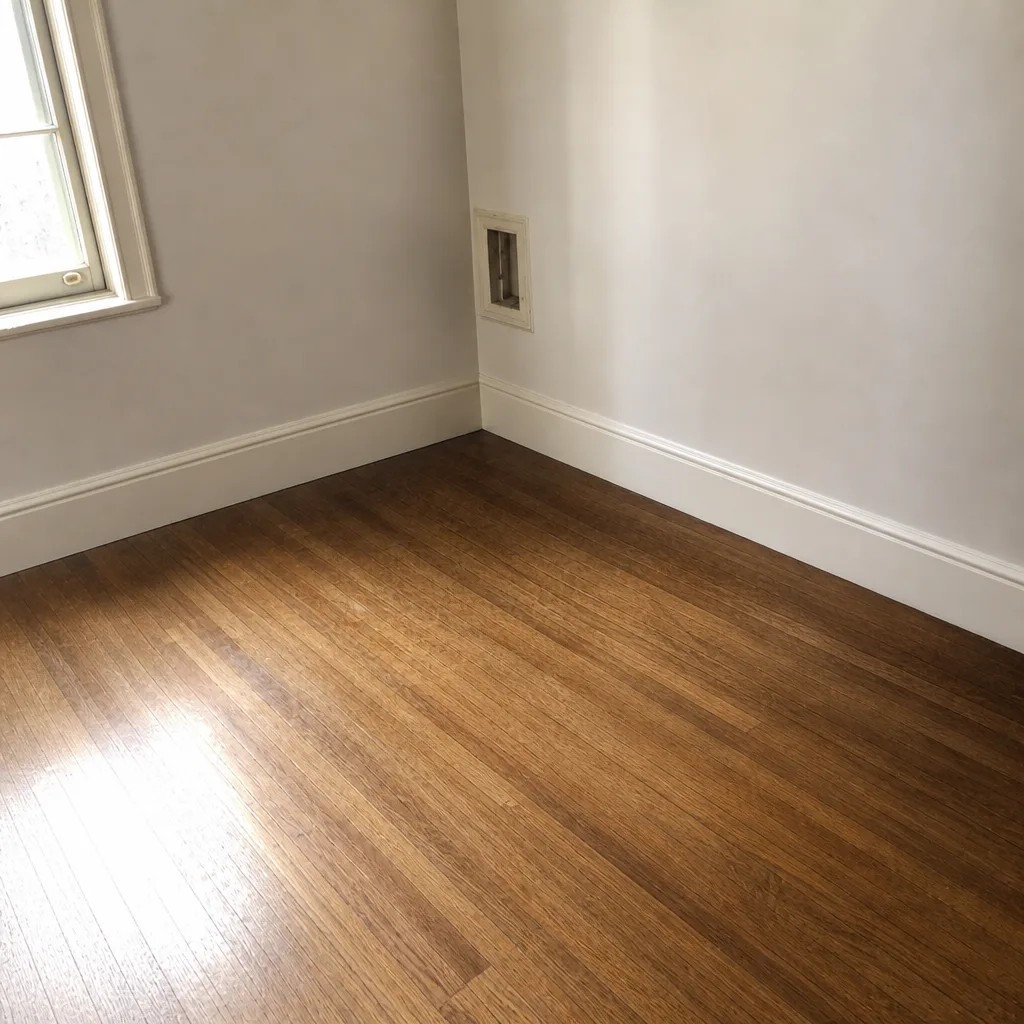
Whole-system duct and dryer vent check with before-and-after photos - you see exactly what came out of your vents
That "$99 whole-house special" is a bait ad - the real number appears once they are in your hallway, or the "clean" is a shop-vac at the register. We photograph the inside of your ducts before and after instead.
Seasonal Air Duct Cleaning Care for Greenwich Village: Year-Round Homeowner’s Guide
Most homeowners treat duct cleaning as a once-a-year chore, something to check off and forget. That approach misses the point of how a duct system actually behaves in Greenwich Village. The same ductwork that collects mold-friendly moisture during an August heat spell is pushing combustion particulate and dust through your apartment every January. Those are different problems with different fixes, and treating them identically means you’re always one season behind. This guide maps the four distinct maintenance windows in Greenwich Village’s climate and building stock, showing what to inspect, what to clean, and when. You’ll learn how each season stresses your ducts differently and what a proper response looks like.
Quick Answer
Air duct maintenance in Greenwich Village should follow a four-season cycle, not an annual one. Spring calls for a post-heating inspection for combustion residue and expanding duct joints. Summer demands humidity monitoring in return-air runs and, when needed, antimicrobial treatment. Fall is the window for pre-heating cleaning and filter upgrades. Winter requires watching airflow, startup odors, and filter loading rate for signs your ducts need attention. Each season needs a different intervention.
Styles & brands we work with
- Whole-home duct cleaning
- Dryer vent cleaning
- Camera inspection
- Sanitizing & deodorizing
Table of Contents
- Spring: Post-Heating-Season Inspection
- Summer: Moisture and Microbial Growth in the Ducts
- Fall: Cleaning Timing and Pre-Heating Prep
- Winter: What to Watch During Active Heating
- Synchronizing With Co-op and Condo HVAC Cycles
- Common Mistakes to Avoid
- When to Call a Professional
- Frequently Asked Questions
Spring: Post-Heating-Season Inspection
By the time March arrives in Greenwich Village, your heating system has run hard for months, and the ducts have been carrying whatever that furnace produced. Spring is the season to inspect what winter left behind. The focus is on combustion residue and the physical condition of connection points that expand and contract through the cold months.
Flexible duct connections are the first place to look. As temperatures swing between heating cycles and the warmer shoulder season, the joints at plenum transitions and at register boots expand and contract. Over a season, that movement can open small gaps. A gap that looks minor at the surface can leak conditioned air into a wall cavity and pull unfiltered air back into the system. This is why a post-heating inspection isn’t just about cleaning, it’s about checking the integrity of the duct network before cooling season arrives.
A proper spring inspection covers:
- Visible combustion residue and dust accumulation in supply and return trunks
- Flexible duct connections at plenum and register boots for separation or cracking
- Seal condition at joints, especially where the duct passes through unconditioned space
- Filter condition and any bypass around the filter frame
- Signs of moisture or staining that would suggest a leak from outside the system
If the inspection turns up gaps, that’s when a full Air Duct Cleaning Greenwich Village visit with repair and sealing capability saves you a second appointment. Problems found during cleaning get addressed on the spot. We’ve seen enough Greenwich Village apartments where a small connection gap went unnoticed for a full season and turned into a bigger sealing job the following year.
Summer: Moisture and Microbial Growth in the Ducts
Summer in Greenwich Village is the season when duct liners and return-air runs are most vulnerable. The air is humid, cooling systems run constantly, and any duct that passes through a space with poor envelope sealing becomes a condensation surface. Moisture inside a duct doesn’t stay isolated, it feeds microbial growth on the liner and circulates spores through the supply side for the rest of the cooling season.
The physics are straightforward. When warm, humid air meets a cold duct surface, water condenses. In buildings where the envelope is tight and the vapor barrier is intact, that’s manageable. In older Village buildings where return runs pass through interior walls and closets without a sealed envelope, the return side can pull humid air from gaps and condense it inside. That’s the pathway that matters most here.
What to monitor in summer:
- Relative humidity inside the duct system, measured at return registers
- Musty or earthy odors when the cooling system starts up
- Visible moisture, staining, or discoloration at return boots and duct seams
- Condensation on exposed duct surfaces or at the air handler
- Increased allergic symptoms that correlate with cooling season
When humidity readings stay elevated inside the ducts and there’s any sign of microbial growth, cleaning alone doesn’t resolve it. That’s when antimicrobial treatment becomes part of the job. Abatement Technologies equipment supports the containment side of that work, keeping spores from migrating into living space during treatment. In our experience, summer is the season when sanitizing goes hand-in-hand with cleaning rather than following it months later. This is the core of what a full-service air duct cleaning response looks like when moisture is the driver.
Fall: Cleaning Timing and Pre-Heating Prep
Fall is the season with the narrowest window and the highest return. Cleaning before the heating load increases means you start the cold months with a clean system and a filter that’s rated for the workload ahead. Wait until the heat is already running, and you’re cleaning a system that’s actively circulating whatever accumulated over summer.
Timing matters because the transition between cooling and heating is short in Greenwich Village. There’s a stretch in October when neither system runs much, and that’s the ideal window: no active airflow pushing debris around, no seasonal allergens peaking, and enough time before the first real cold snap to schedule the work without urgency.
Fall prep in order of priority:
- Clean supply and return ducts before the heating season begins
- Upgrade the filter to a rating appropriate for heating-season load
- Inspect the blower compartment for debris, dust buildup, and belt wear
- Check the air handler and coil for dust accumulation that will restrict airflow
- Verify that all duct seals are tight before heated air starts moving through them
Blower compartment inspection is the step most often skipped. Debris that collects around the blower reduces airflow and forces the system to work harder through the winter. When the cleaning visit includes HVAC cleaning, the blower and coil get inspected at the same time as the ducts, which is the only way to catch a restricted airflow condition before it shows up as a cold room in January.
The filter question deserves its own note. A filter rated higher than the system can handle restricts airflow. Rather than chasing the highest MERV number, match the filter to what the system is designed to move. That’s part of the inspection, not an afterthought.
Winter: What to Watch During Active Heating
Winter is the season when duct problems announce themselves, even if they started earlier. The heating system runs constantly, airflow is at its highest sustained level, and combustion byproducts from aging gas equipment become part of what the ducts carry. The goal in winter isn’t a cleaning, it’s observation. What you notice during active heating tells you what kind of cleaning the system will need in spring.
Three indicators matter most:
- Reduced airflow. If rooms that heated evenly in November feel cooler in January, the ducts or the blower are restricting flow. That could be debris, a partially closed damper, or a collapsed flex run.
- Odors on startup. A brief dust-burning smell at the start of a heating cycle is normal. A persistent or worsening odor is not, it suggests accumulation that’s being heated and re-circulated.
- Filter loading rate. A filter that clogs in weeks instead of months signals heavy particulate in the return system. That’s the clearest early indicator of duct condition you have.
In Greenwich Village, winter also raises the question of combustion byproducts from aging gas systems in older buildings. Not every apartment has its own furnace, but where gas-fired equipment is in use, the ducts can carry traces of what the heating equipment produces if the system isn’t venting correctly. Carbon monoxide in a duct system is a safety issue, not a cleaning issue, and it calls for a licensed HVAC inspection before anything else. Any duct cleaning should follow, never replace, that safety check.
We answer 24/7 for winter concerns. Fast dispatch from 7am to 7pm, Sunday through Friday.
Synchronizing With Co-op and Condo HVAC Cycles
Much of Greenwich Village’s housing stock is co-op and condo, and that changes how maintenance gets scheduled. Building-wide HVAC servicing cycles are common, and individual unit duct cleaning works best when it aligns with what the building is already doing. Cleaning your unit’s ducts in isolation while the building’s riser or common system is mid-service means you may be cleaning into a system that’s about to be disturbed.
The practical approach:
- Find out when the building’s common HVAC service and filter changes are scheduled
- Schedule unit-level cleaning after the building’s common work, not before
- Coordinate on riser access if your ductwork shares shafts with other units
- Document the unit’s duct condition so you have a baseline for next season
- Share findings with building management if a problem affects shared infrastructure
For landlords and property managers in Greenwich Village, the seasonal cycle is also a documentation cycle. Each season’s inspection produces a record of the system’s condition, which is useful for maintenance planning and for showing tenants that the system is being maintained. A cleaning that includes before-and-after photos of the ducts gives you a verifiable record, not just a receipt.
Negative-air containment matters more in attached buildings than in standalone homes. Abatement Technologies negative-air units keep debris from migrating into adjacent units during cleaning, which matters when your wall is someone else’s wall. That containment protocol is the same standard used in remediation work, and it’s the reason a proper cleaning in a co-op doesn’t create complaints from neighbors.
See the difference
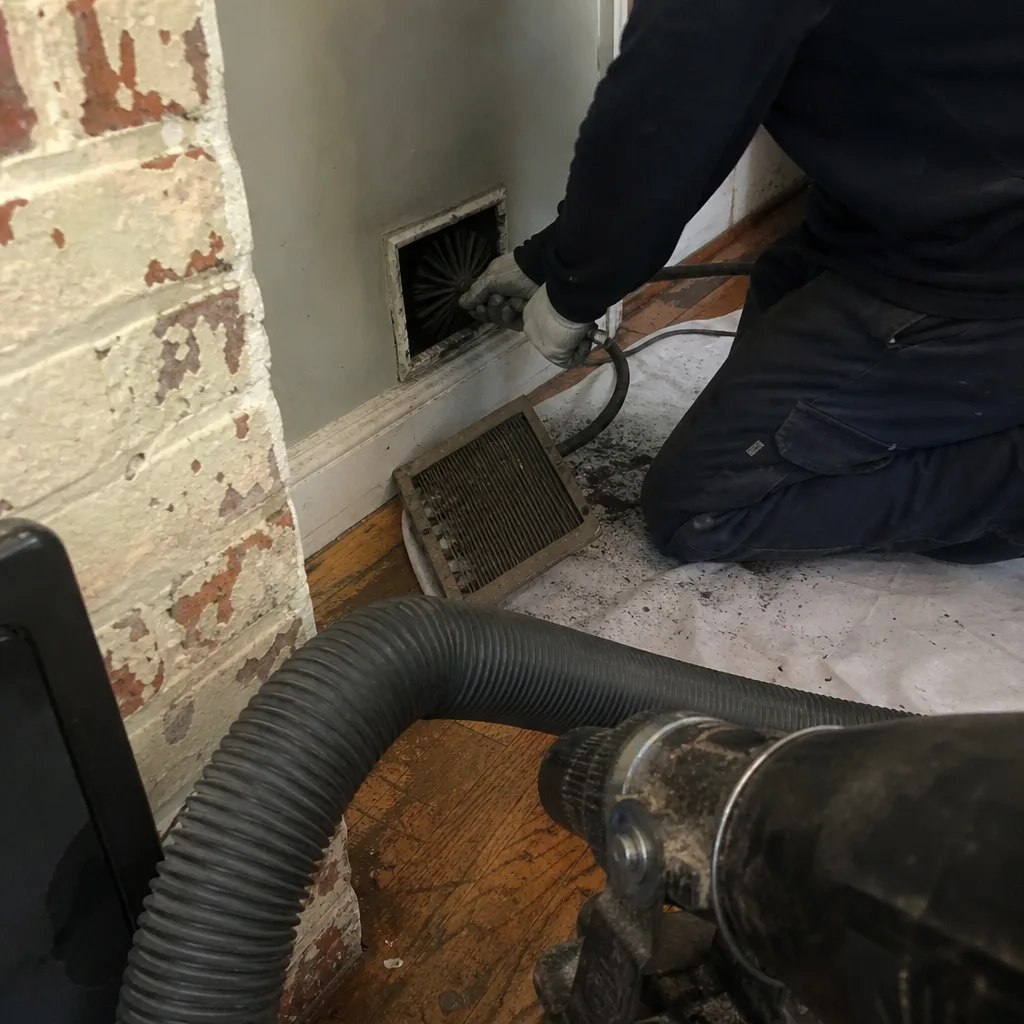 Before
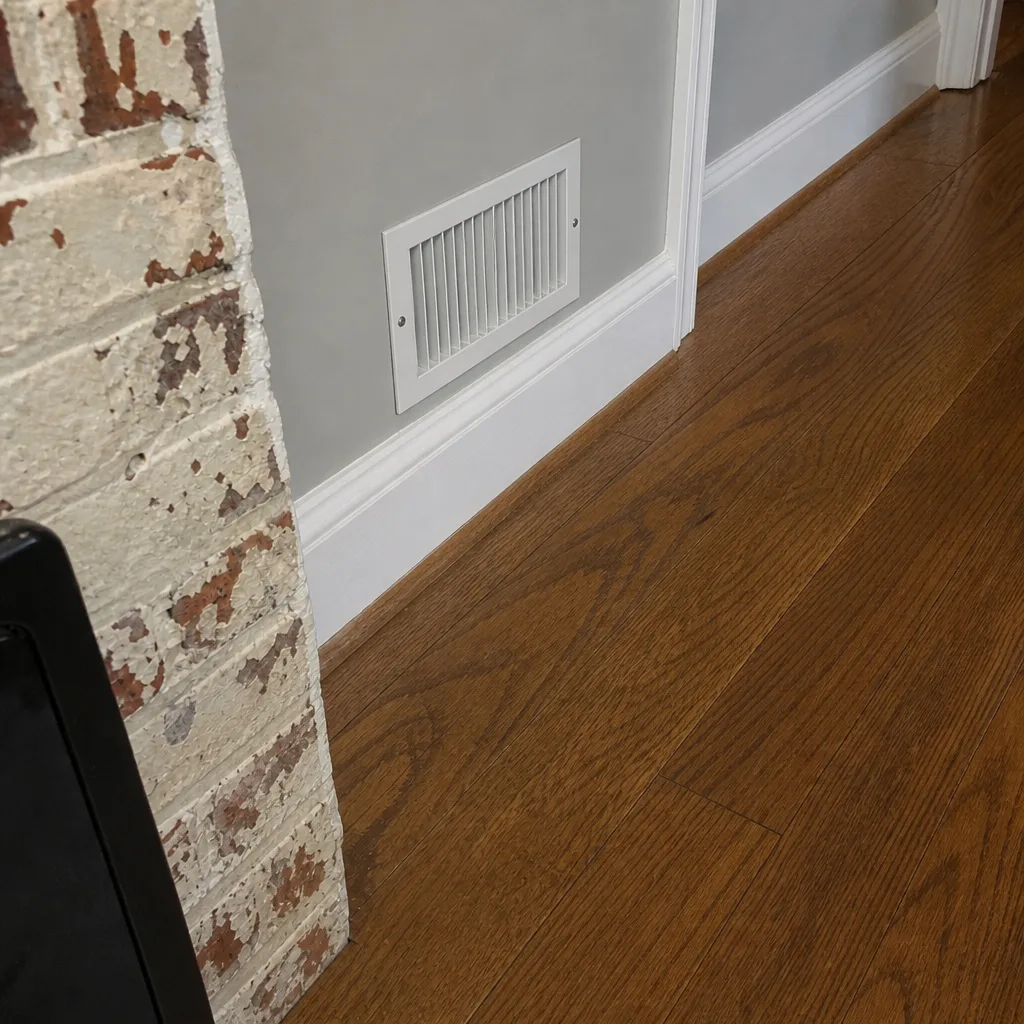 After
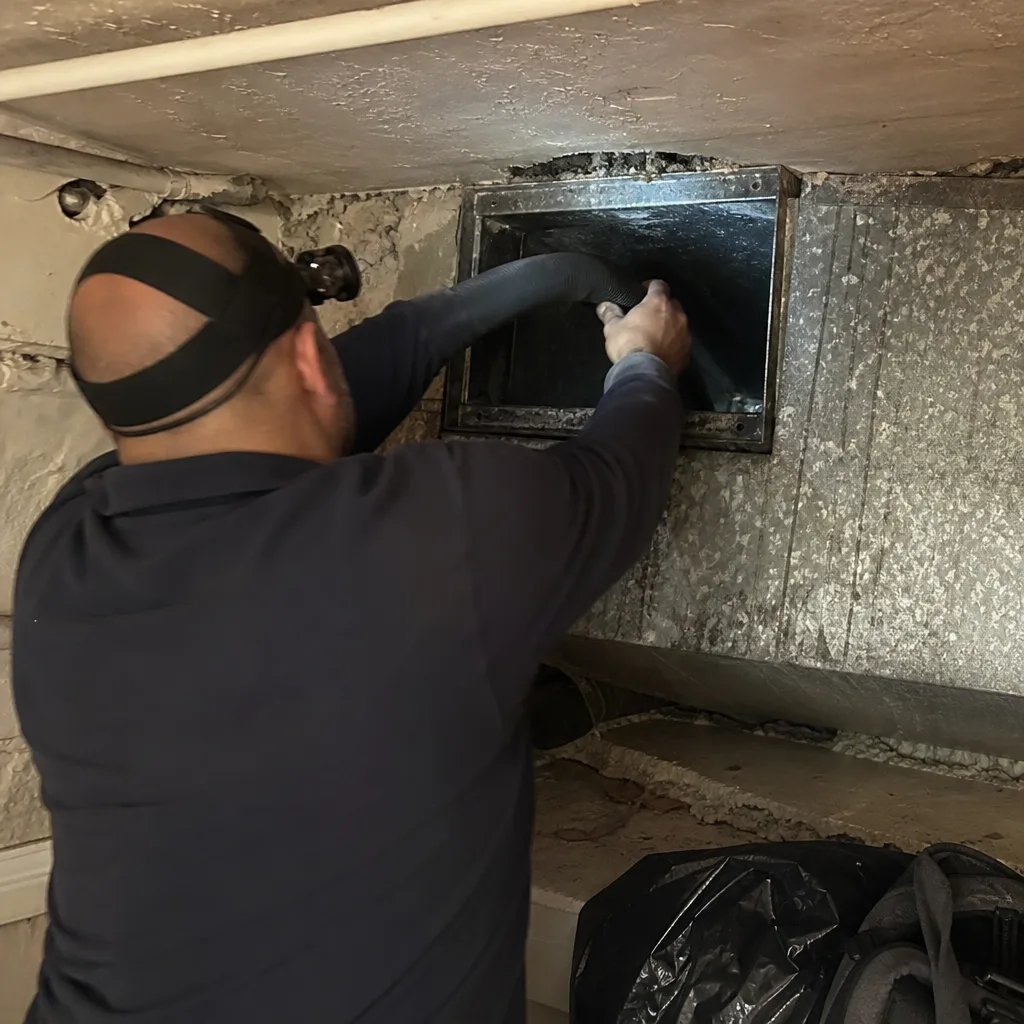 Before
 After
 Before
 After
How Each Season Maps to a Different Service
The seasonal cycle isn’t just about timing, it’s about matching the service to the season’s dominant problem. A spring inspection is about structure and integrity. Summer is about moisture and microbial growth. Fall is about cleaning and preparation. Winter is about observation and safety. Treating them the same is the most common reason homeowners end up cleaning the same ducts twice.
A practical mapping:
- Spring: Inspection plus duct repair and sealing where gaps are found
- Summer: Cleaning plus antimicrobial treatment where humidity is elevated
- Fall: Full system cleaning, filter upgrade, blower and coil inspection
- Winter: Observation, airflow and filter monitoring, safety check if gas equipment is in use
Dryer vents follow a similar but separate logic. Winter is when lint accumulation in a dryer vent is most dangerous, because the dryer runs more and the lint is drier. Addressing it as part of a seasonal maintenance routine, rather than waiting for a problem, is the safer approach. Our dryer vent cleaning reduces fire risk by clearing the accumulation that builds up over months of use, and it’s a natural add-on when we’re already in the unit for seasonal duct work.
Honeywell and Aprilaire compatibility matters here too. If your building or unit already runs a whole-home air quality platform, seasonal work should complement it rather than work around it. Filter changes, humidity control, and sanitizing steps can be planned around the existing equipment so the two systems work together instead of duplicating effort.
What Equipment Choice Changes About Seasonal Care
The equipment on the job determines what’s actually possible in each season. A rotary-brush system like Rotobrush agitates and extracts debris from duct walls, which is what spring and fall cleaning need. A shop-vac-style setup won’t reach the liner surface the same way. Nikro equipment is the same manufacturer specified in commercial duct cleaning projects, and it’s what supports thorough cleaning rather than surface dust removal.
Containment is the second piece. In a Greenwich Village apartment, cleaning without negative-air containment can push debris into the living space. Abatement Technologies negative-air and filtration units prevent that cross-contamination. That’s not a premium add-on, it’s the baseline for doing the work in an occupied unit.
Sanitizing is the third piece, and it’s seasonal. Treating microbial growth and airborne contaminants requires a process that goes beyond debris removal. When summer humidity has driven growth inside the ducts, cleaning alone removes the debris but doesn’t address what’s growing on the liner. The combination of cleaning, containment, and sanitizing in one visit is what makes summer work different from fall work. Clean, seal, sanitize in one visit means you don’t source a second contractor when cleaning reveals a gap or a growth problem.
Common Mistakes to Avoid
- Cleaning only once a year. A single annual cleaning misses the summer moisture window and the fall pre-heating window entirely. The system needs different interventions at different times, a spring inspection and a fall cleaning are not the same job.
- Ignoring the return side. Return-air runs carry the most particulate and accumulate moisture first. Homeowners and many low-bid cleaners focus on supply registers because they’re visible, and skip the return trunks where the real accumulation is.
- Choosing a quote by price alone. A quote that’s dramatically lower than the rest usually reflects a shop-vac setup, no containment, and no repair capability. In a Greenwich Village co-op, the containment difference alone is worth the price gap.
- Skipping containment in attached buildings. Cleaning without negative-air containment in a building where walls are shared can push debris into neighboring units. That’s a complaint you don’t want to create, and it’s avoidable with the right equipment.
- Treating sanitizing as optional. In a humid Village summer, microbial growth on duct liners is common. Cleaning without treating it means the growth returns the following season.
- Mismatching the filter. A filter rated higher than the system can handle restricts airflow. Match the filter to the system’s design, and check the blower compartment rather than assuming the filter is the whole story.
- Forgetting the dryer vent. Dryer vent cleaning is a separate fire-safety service that many HVAC-only cleaners decline to handle. Lint accumulation over months is the leading cause of dryer fires, and it’s easy to fold into a seasonal visit.
When to Call a Professional
Some seasonal checks are visual and safe to do yourself: reading humidity at a return register, noticing a musty odor, watching the filter for rapid loading. Others call for trained technicians. Gap sealing inside a duct network, blower compartment inspection, antimicrobial treatment, and any work around gas-fired heating equipment are not DIY territory. If you notice a persistent startup odor, a filter that loads in weeks, or visible staining at a return boot, that’s the point to schedule a professional inspection.
Any concern about combustion byproducts in a duct system starts with a licensed HVAC safety check, not a cleaning. Duct work follows that check.
Our technicians have up to 9 years of experience with professional-grade equipment from Rotobrush, Nikro, and Abatement Technologies, and we work with Honeywell and Aprilaire systems when a unit already has whole-home air quality hardware. Air Duct Cleaning Greenwich Village offers free estimates in Greenwich Village. Call (855) 337-2008. We answer 24/7. Fast dispatch from 7am to 7pm, Sunday through Friday.
Frequently Asked Questions
Once a year is a common baseline, but a four-season cycle works better in Greenwich Village’s climate. A spring inspection, summer humidity check, fall cleaning, and winter observation catch problems when they’re seasonal rather than letting them compound. Homes with allergies, pets, or older gas heating equipment often benefit from a cleaning tied to the fall pre-heating window.
Musty summer odors point to moisture-driven microbial growth on duct liners, which is common in humid Greenwich Village summers when return-air runs pass through spaces with poor envelope sealing. The cool ducts condense humid air and growth follows. Winter’s dry heat masks the same growth until it re-activates the following summer. Cleaning plus antimicrobial treatment addresses the cause, not just the smell.
No, a shop vac can’t reach or agitate the duct liner the way a rotary-brush system like Rotobrush can, and it offers no containment. Cleaning without negative-air containment in a Greenwich Village apartment pushes debris into living space. The visible dust you remove is a fraction of what’s actually on the liner surface.
Spring is primarily an inspection: combustion residue check, flexible connection integrity, and seal condition after winter. Fall is primarily a cleaning: full system cleaning, filter upgrade, and blower compartment inspection before the heating load increases. Doing only one leaves half the cycle unaddressed.
Ask for before-and-after photos of your own ducts, not stock images. A cleaning with professional equipment and negative-air containment produces visible results at the liner surface, and photos of that surface are the only verifiable record. Verify the equipment used too, Rotobrush and Nikro are identifiable, and a shop-vac setup is not a substitute.
Yes, in Greenwich Village co-ops and condos it matters. Schedule unit-level cleaning after the building’s common HVAC work rather than before, and coordinate on riser access if ducts share shafts. Cleaning into a system that’s about to be disturbed means you may be doing the work twice.
The Bottom Line
A seasonal cycle beats an annual cleaning because Greenwich Village’s climate puts four different stresses on your ducts. Spring is for inspection and sealing, summer for moisture and antimicrobial treatment, fall for cleaning and pre-heating prep, winter for observation and safety. Matching the service to the season is what keeps you ahead of the system instead of reacting to it. Professional equipment and containment are what make each season’s work count. If you’re ready to map your system’s cycle, or you’ve noticed a signal that needs attention now, a free estimate is the place to start.
Call (855) 337-2008 for a free estimate. We answer 24/7. Fast dispatch from 7am to 7pm, Sunday through Friday.
Written by the team at Air Duct Cleaning Greenwich Village.