
Last updated November 22, 2026
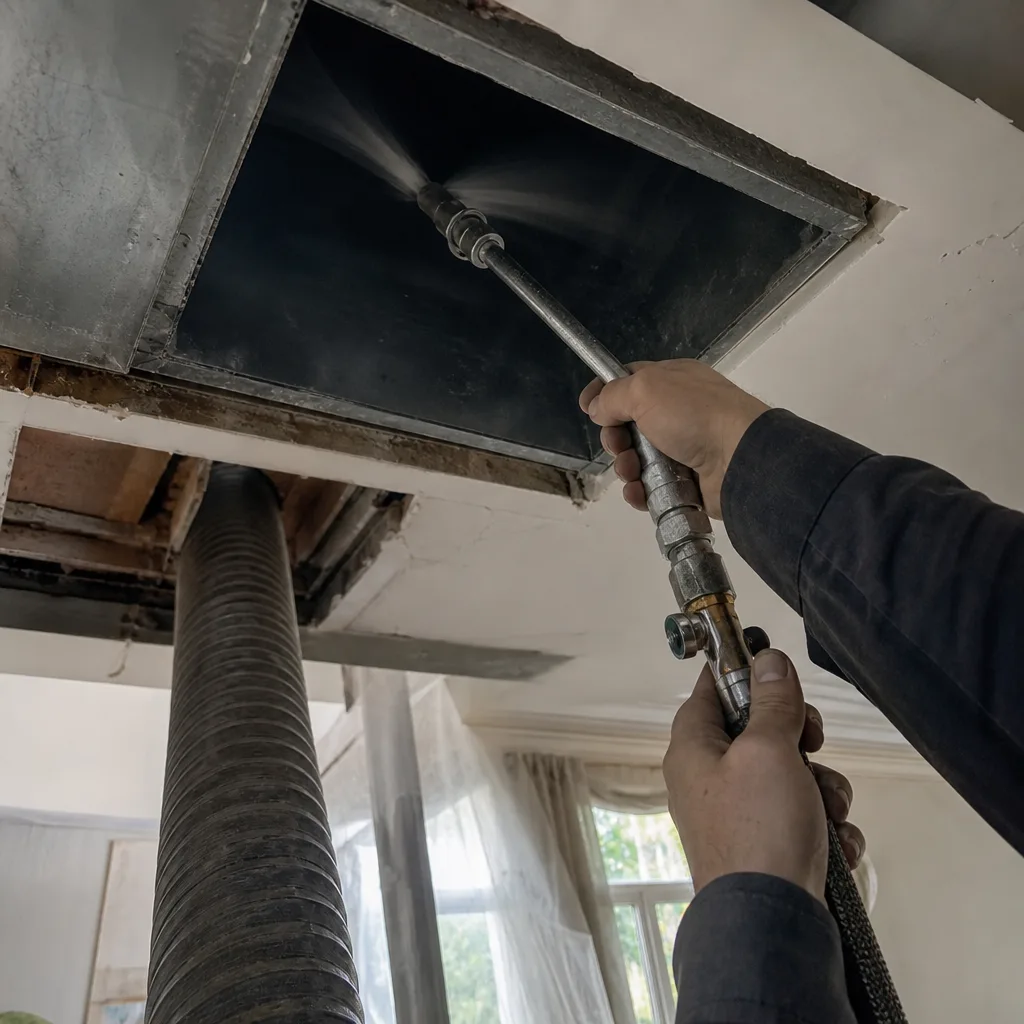
 Whole-home duct cleaning
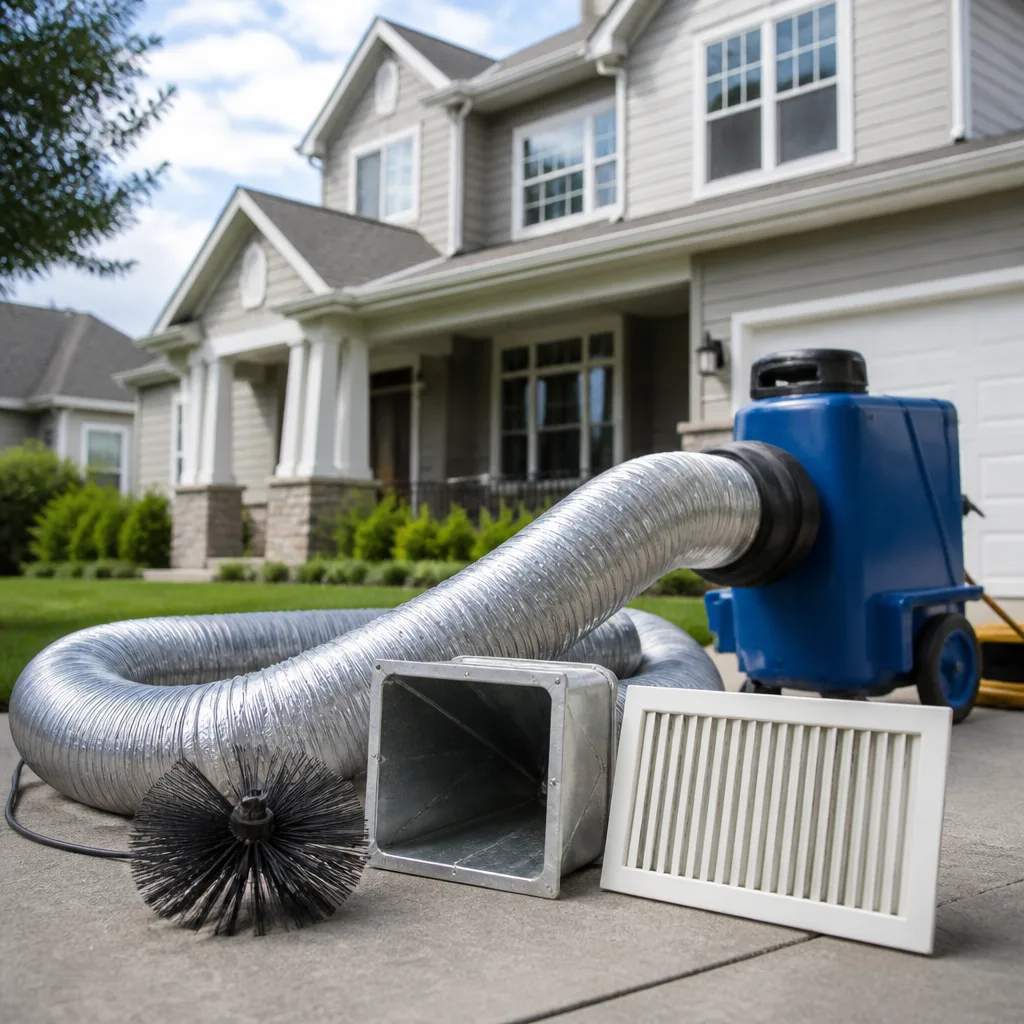
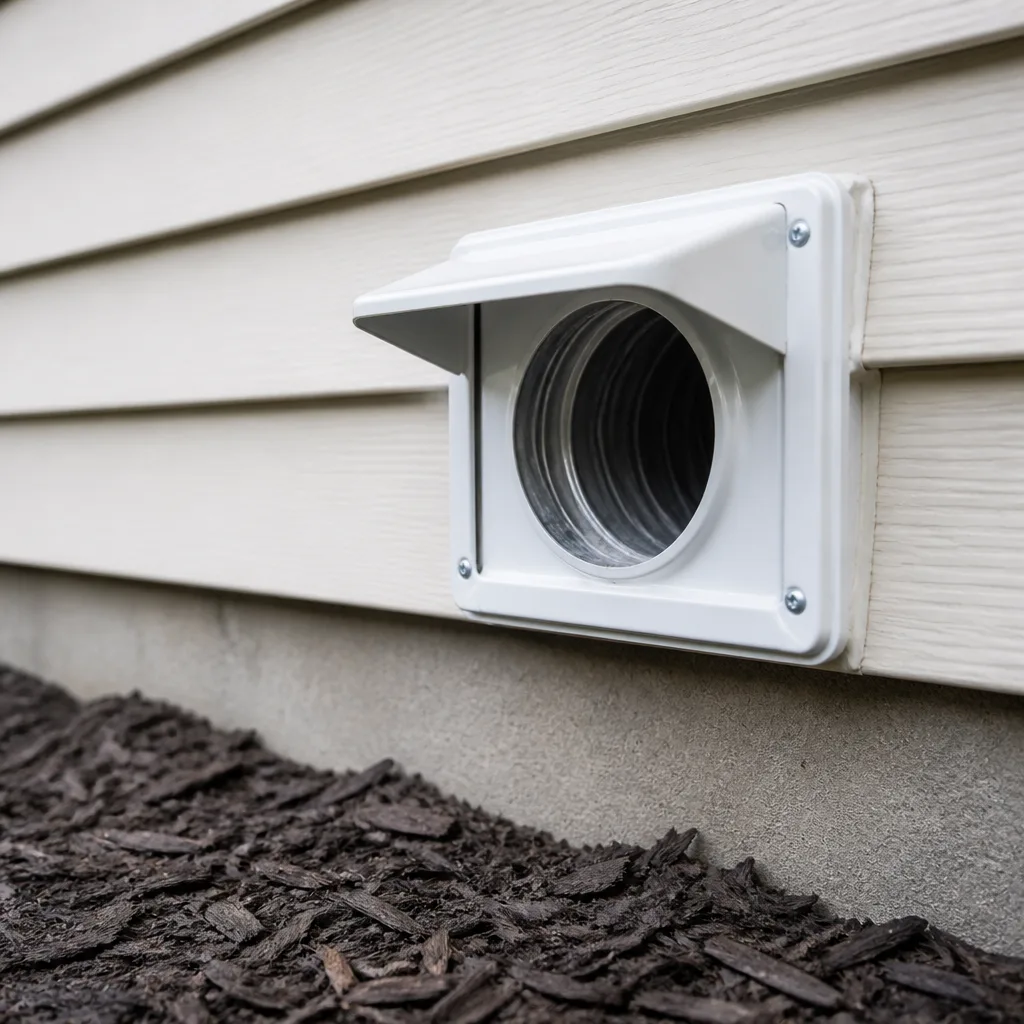 Dryer vent cleaning
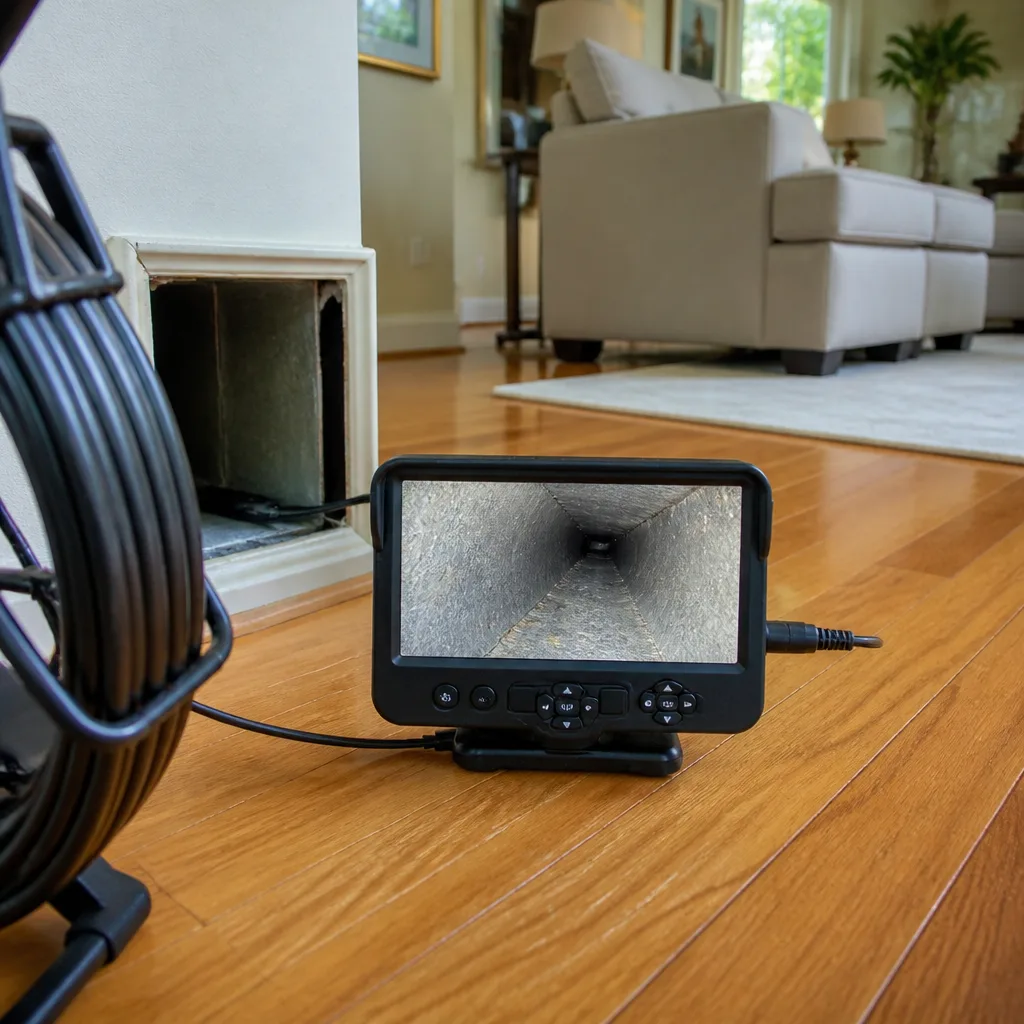 Camera inspection
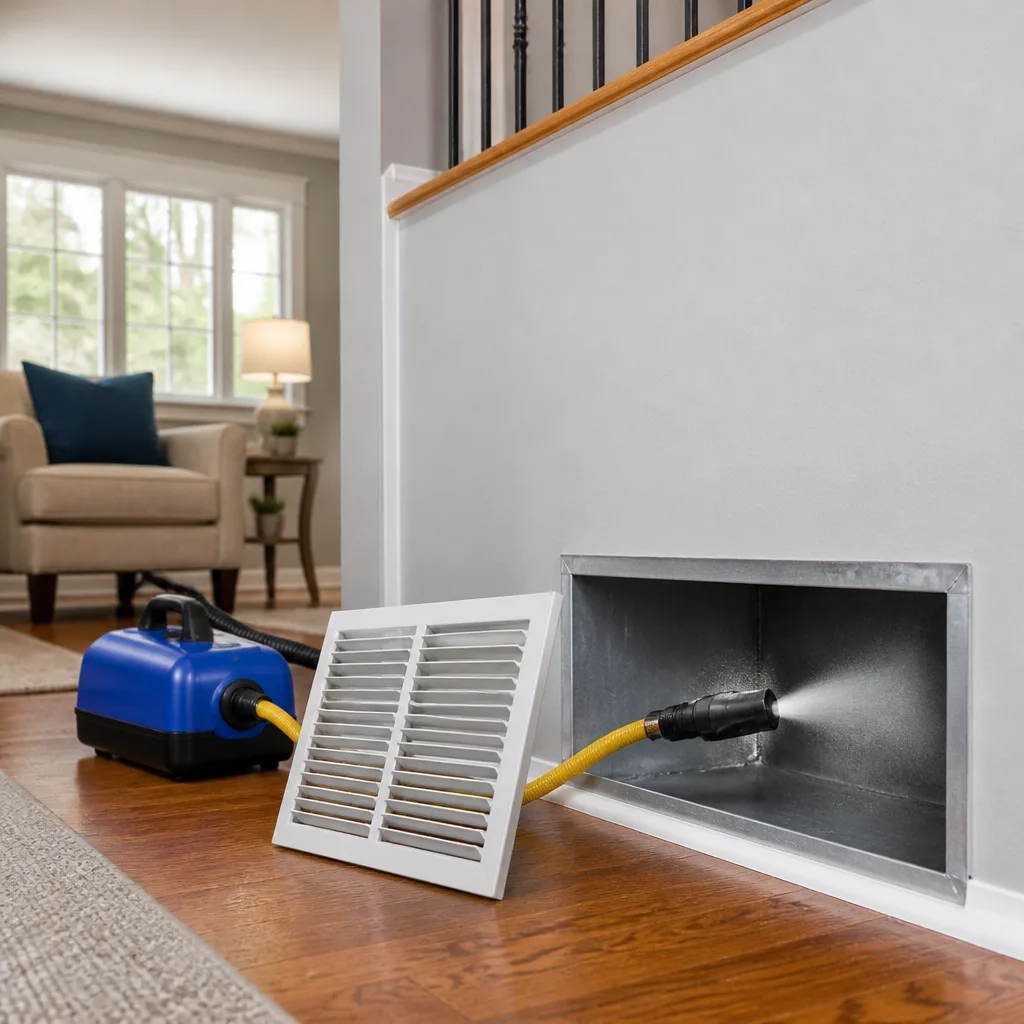 Sanitizing & deodorizing
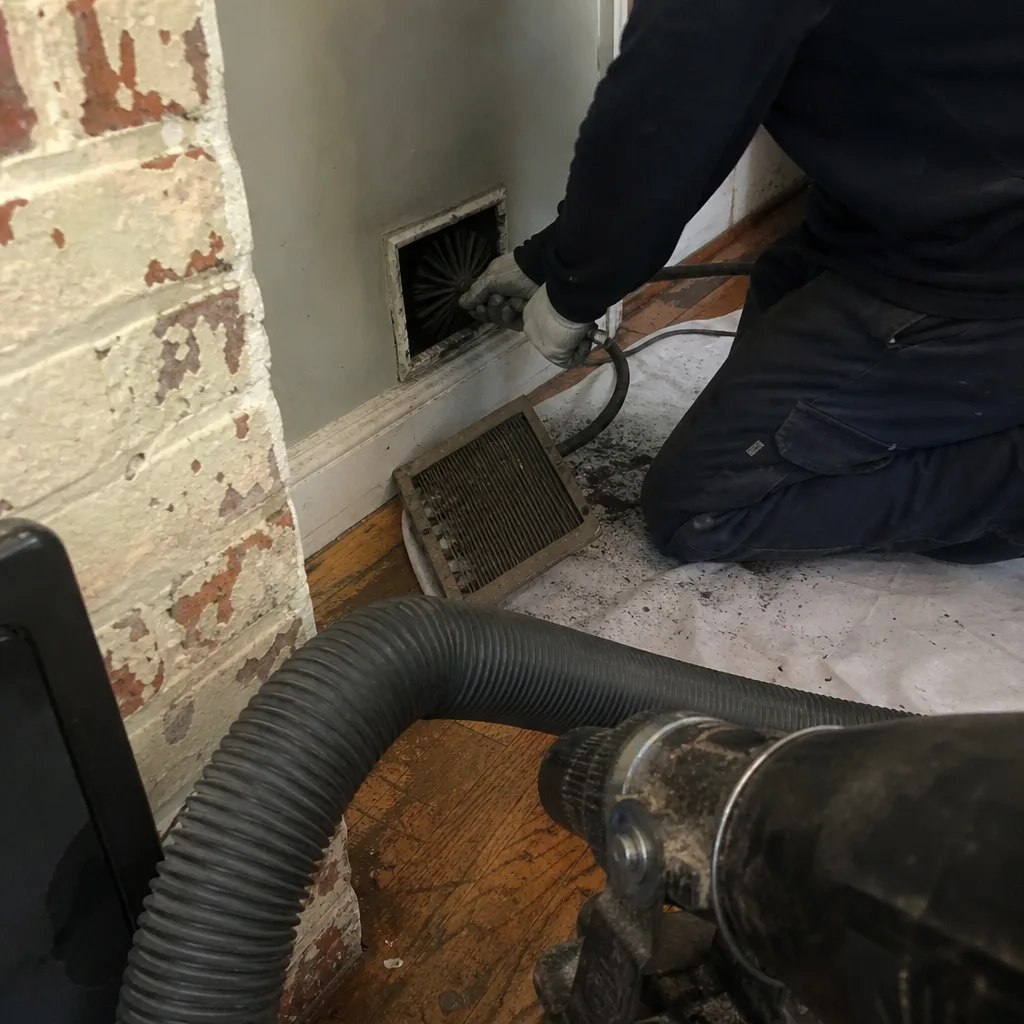
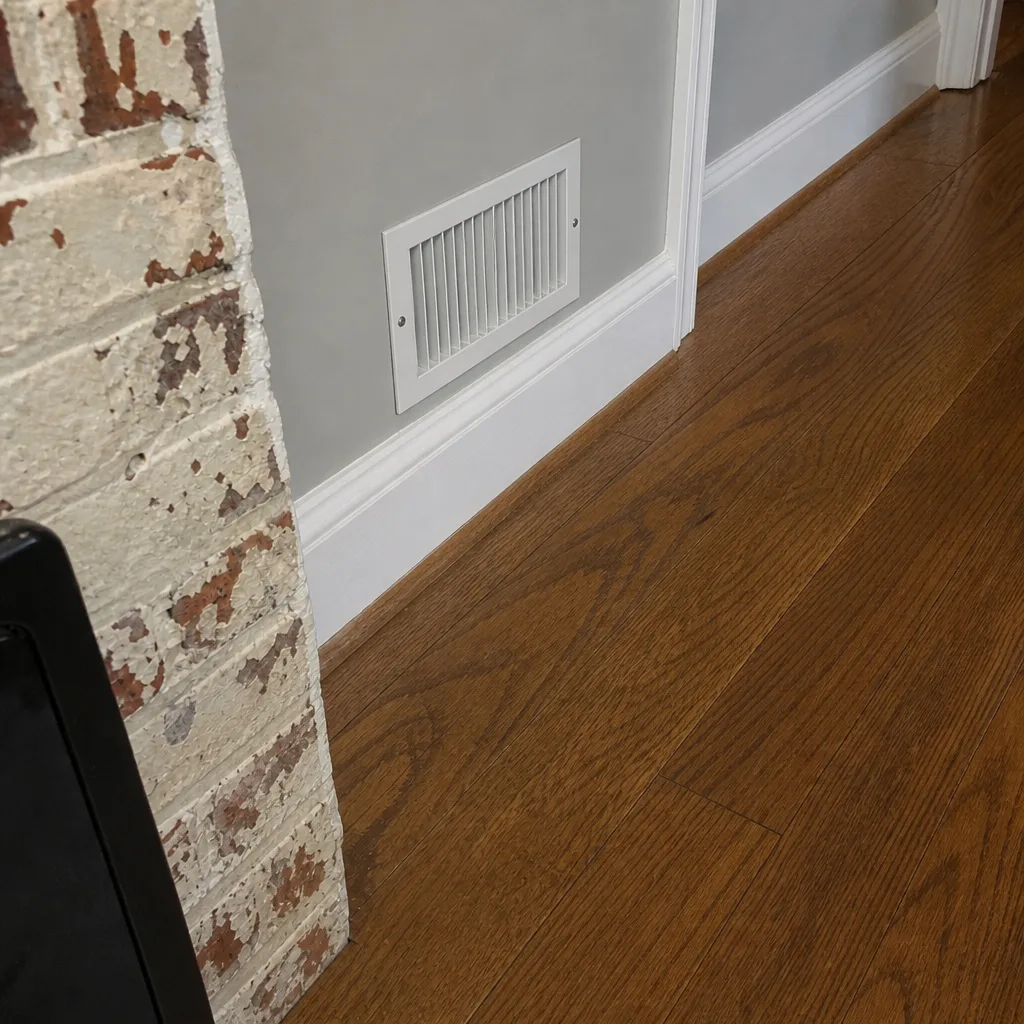
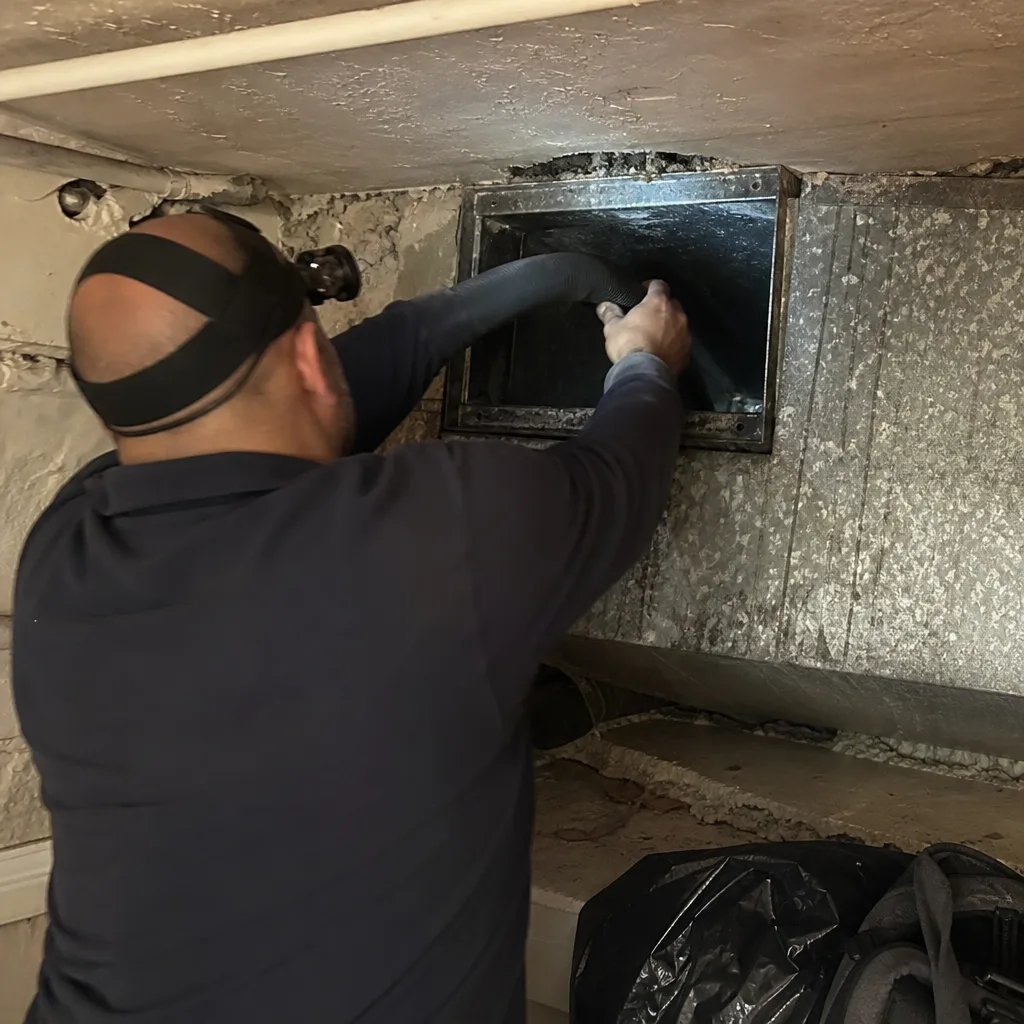
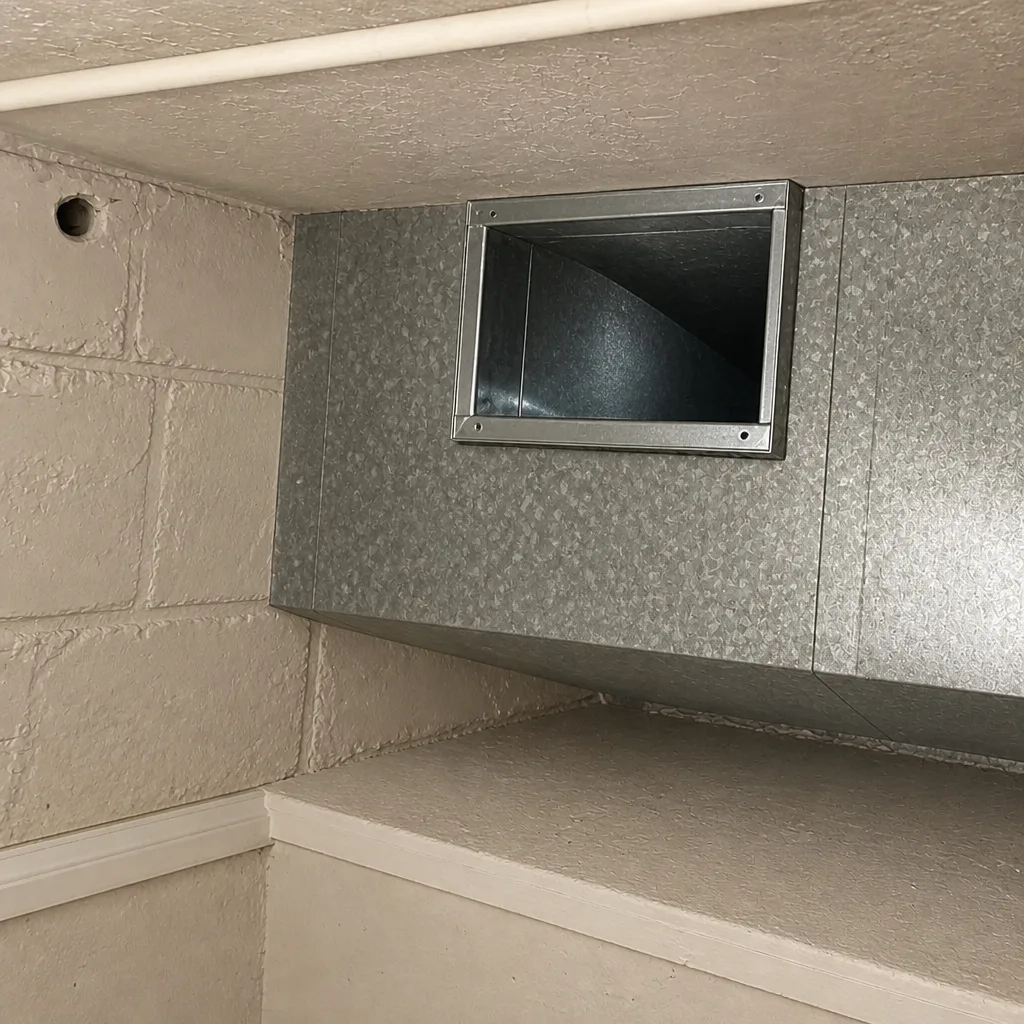
Whole-system duct and dryer vent check with before-and-after photos - you see exactly what came out of your vents
That "$99 whole-house special" is a bait ad - the real number appears once they are in your hallway, or the "clean" is a shop-vac at the register. We photograph the inside of your ducts before and after instead.
Air Duct Cleaning Maintenance Checklist for Greenwich Village Homeowners
Changing your filter every three months is the right advice for a sealed suburban ranch house. In a ground-floor Village apartment on a busy block, that same filter can reach near-capacity in six weeks. That single gap explains why so much generic duct advice falls flat here. Greenwich Village homes sit in a dense, mixed-use neighborhood where street-level traffic, heavy foot traffic on Bleecker and 6th Avenue, and uneven building envelopes all push particulate matter into the air you breathe indoors. This guide lays out a maintenance checklist built around those realities, not a one-size-fits-all template. You’ll learn what to check yourself each month, what to do each season, how to document duct condition over time, and when a task should hand off to a professional.
Quick Answer
A solid duct maintenance routine for a Greenwich Village home means checking your filter and return grilles monthly, scheduling seasonal tasks around summer humidity and winter heating residue, and keeping a written record of duct condition so you have a baseline before any professional arrives. Co-op shareholders also need to know which parts of the system they own and which belong to the building. If you notice musty odors, visible dust at supply registers, or a sudden airflow change, that’s the point to call in a professional for an inspection rather than keep troubleshooting on your own.
Styles & brands we work with
- Whole-home duct cleaning
- Dryer vent cleaning
- Camera inspection
- Sanitizing & deodorizing
Table of Contents
- Why Duct Maintenance Looks Different in Greenwich Village
- The Monthly Owner Checklist
- Seasonal Tasks Tied to Village Conditions
- How to Document Duct Condition Over Time
- Co-op vs. Individually Owned Units: Who’s Responsible
- Red Flags That Escalate to Professional Inspection
- What a Professional Cleaning Actually Involves
- Common Mistakes to Avoid
Why Duct Maintenance Looks Different in Greenwich Village
Greenwich Village isn’t a subdivision. It’s a dense, walkable neighborhood of walk-ups, townhouses, converted lofts, and co-op buildings, and the air systems in these homes reflect that mix. On corridor streets like Bleecker and 6th Avenue, vehicle and foot traffic keep fine particulate circulating at street level all day. Ground-floor and parlor-floor units pull that air in through gaps, window seams, and return paths that were never designed for today’s traffic volume.
Then there’s the building envelope. Many Village buildings are well over a century old, which means their walls, shafts, and penetrations are rarely uniform. Outdoor air enters unpredictably, moving through shared chases and unsealed openings rather than cleanly through a designed intake. That irregular airflow means dust and debris settle in places a suburban homeowner would never think to check.
Shared infrastructure adds another layer. Co-ops often run common ventilation elements while individual units have their own HVAC equipment, so knowing where your responsibility starts and stops matters before you clean or repair anything. Our technicians have up to 9 years of experience, and in that time the throughline in Greenwich Village work is clear: duct condition here is shaped by the building as much as by the unit.
None of this is meant to alarm you. It’s meant to set expectations. A maintenance checklist for a Greenwich Village home should be faster to run and more frequent than a suburban one, and it should assume that outdoor air is finding its way in through more than one route.
The Monthly Owner Checklist
This is the part you handle yourself, and it takes about ten minutes. Doing it consistently is what keeps small dust accumulation from becoming a full duct cleaning job sooner than it should be. Run through these checks once a month.
- Inspect the filter. Hold it up to light. If you can’t see light through it, replace it. In a busy or ground-level Village unit, check at six weeks, not three months. Write the replacement date on the filter edge with a marker.
- Check return-air grilles. Look for dust film on the grille face and lint clinging to the slats. Wipe the grille with a damp cloth, but don’t vacuum hard into the return opening.
- Note any new odor. A musty or stale smell near a supply register is a signal worth writing down. Odors that come and go with the weather often point to moisture in the duct liner or system.
- Watch the airflow. Stand near a supply register and feel the airflow. A noticeable drop from last month, without any change to the fan setting, is a maintenance-to-inspection escalation flag.
- Look at supply registers for visible dust. A thin streak of dust on the louvers is normal. Dust collecting on the wall around the register is not.
- Glance at the equipment area. If your system or air handler is accessible, check for standing water, condensation, or debris around the base.
The goal of the monthly pass isn’t to fix anything. It’s to catch a change early and write it down. If you want a deeper explanation of how a full cleaning works, our air duct cleaning service page walks through the process step by step.
Seasonal Tasks Tied to Village Conditions
Greenwich Village seasons hit duct systems in specific ways, and the checklist should shift with them. Here’s how to think about the calendar.
After summer: humidity and duct liners
Late summer humidity in New York City works its way into duct liner and insulation over months of use. When the cooling season ends, that retained moisture becomes a prime environment for microbial growth. Once heating begins, you may notice a musty odor at the registers for the first week or two. That’s often the liner drying out and releasing what grew over the summer, and it’s worth having checked rather than masked with a spray.
After winter: combustion residue near gas-heated systems
Homes with gas heating in the Village often sit close to combustion equipment, and winter brings dust and residue that settle around the system. When the heating season ends, clean the area around the equipment, check that grilles are free of lint and dust, and watch for any soot-like film on surfaces near the unit. A film like that is a reason to call a professional, not to wipe and move on.
Seasonal task list
- Early fall: replace or check filters before heating starts, and schedule any cleaning before the heating season if the system hasn’t been cleaned in a while.
- Late fall: confirm return grilles are clear and the equipment area is dry.
- Early spring: check for musty odor and visible liner moisture after the cooling season.
- Late spring: clean around gas heating equipment and look at the HVAC cleaning service scope if residue is present.
One more seasonal task belongs here: drying your clothes is a year-round activity, and dryer vents clog regardless of season. That’s a fire risk worth addressing on the same calendar. Our dryer vent cleaning service covers it.
How to Document Duct Condition Over Time
Most homeowners wait until something smells wrong to think about their ducts, and by then they have no baseline to compare against. A simple record changes that, and it makes the conversation with any professional much more useful. Keep a single log, paper or digital, with these entries:
- Filter dates. Every time you replace a filter, log the date. This reveals your actual replacement interval, which for many Village units is far shorter than the manufacturer’s guideline.
- Monthly notes. Record odor, airflow changes, and visible dust. A few words per month is enough.
- Photographs. On the same day each season, photograph the supply and return grilles and the accessible equipment area from the same angle. Seasonal photos show slow changes that are invisible day to day.
- Service history. Log any professional visit with the date and what was done. This is the baseline that matters most when you hire someone new.
Documentation does two things. It tells you when you’re due, and it gives a professional something concrete to work from. We’ve seen how much faster a job goes when the homeowner can hand over a clean record of what’s happened and when.
Co-op vs. Individually Owned Units: Who’s Responsible
This is the question that trips up more Greenwich Village homeowners than any other, and getting it right saves real confusion later. Responsibility depends on where the equipment sits and what the building’s own rules say, and those rules are set building by building.
What’s typically yours
In most co-ops, the shareholder is responsible for the parts of the system inside the apartment: the filter, the supply and return grilles visible in your rooms, the interior runs that serve your unit from the air handler, and any equipment serving your apartment alone. Routine cleaning of those components is yours to arrange. If you have your own Honeywell or Aprilaire system or a smaller ducted unit serving just your rooms, treat it as your equipment.
What’s typically the building’s
Common ventilation elements, shared shafts, and anything in the building’s mechanical spaces usually fall to the co-op corporation. So does any duct run that serves multiple apartments or passes through common areas. If your system connects to shared infrastructure, cleaning or repairing that shared element isn’t something you can authorize on your own.
How to sort out the overlap
- Read your proprietary lease or house rules for language about HVAC and duct responsibilities.
- Ask your building manager or super which ducts serve your unit alone and which are shared.
- Get any shared-system work approved through the building before it happens.
- Keep copies of approvals and service records together.
For individually owned townhouses and multi-unit buildings, the owner or landlord holds the full responsibility for the whole system. If you’re a landlord, the checklist in this guide applies to every unit, and documenting each one separately pays off.
Red Flags That Escalate to Professional Inspection
Some things on a checklist are yours to handle. Others are the point where maintenance hands off to a professional inspection. Watch for these:
- Persistent musty odor that returns after a cleaning or smell treatment.
- Visible microbial growth on the grille, the accessible duct interior, or around the air handler.
- A noticeable drop in airflow across the whole system, not just one register.
- Dust collecting on walls around supply registers within days of cleaning.
- Loose or disconnected duct sections you can see or feel air escaping from.
- Soot-like residue near a gas-fired heating system.
- A dryer that takes noticeably longer to dry a load, which points to a lint-clogged vent.
- New allergy or respiratory symptoms that track with time spent in the home.
Any one of these is enough to justify an inspection. Dust and lint alone are a maintenance matter; growth, leaks, and persistent odor are not. When a problem is found mid-cleaning, the right answer is to fix the cause and not just vacuum the symptom, which is why finding leaks and gaps during a cleaning should always lead to repair and sealing in the same visit rather than a referral to another company.
What a Professional Cleaning Actually Involves
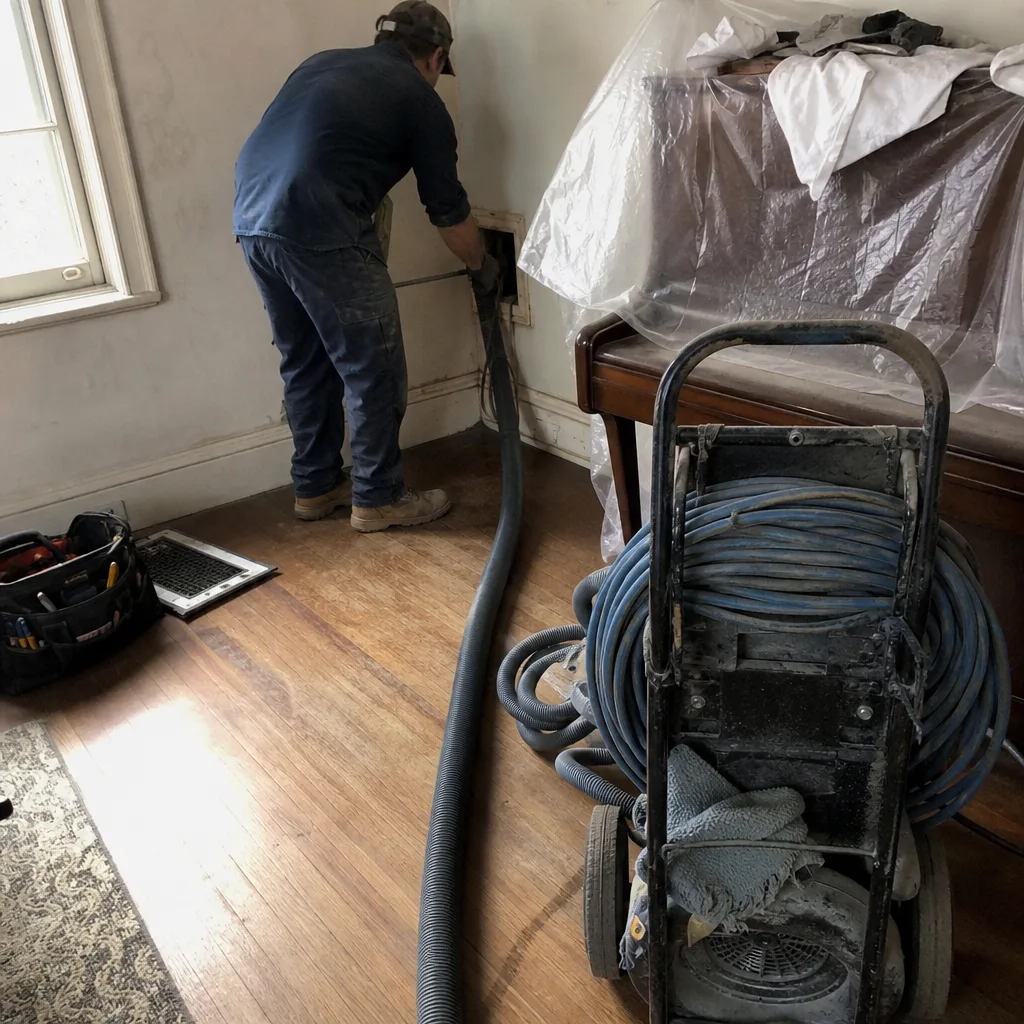
Knowing what a proper job looks like is the best defense against the low-bid crew that does a quick pass and leaves. A real duct cleaning uses professional-grade equipment, not improvised tools, and follows a documented process.
- Assessment. The technician maps your system, locates accessible runs, and identifies any obvious leaks or problem areas before cleaning begins.
- Containment setup. A proper job sets up negative-air-pressure and filtration equipment to hold dust inside the work area. Abatement Technologies units are the kind used in remediation and restoration work for exactly this reason, and we run them so cleaning doesn’t push debris into your living spaces.
- Agitation and extraction. A rotary-brush system from Rotobrush reaches into the duct to loosen debris, and a Nikro system extracts what the brush loosens. Hand-held vacuums can’t reach the same surfaces or move the same volume of air.
- System-wide cleaning. Registers, grilles, the air handler, and accessible plenum all get attention, because leaving them dirty means the ducts get dirty again on the next cycle.
- Repair and sealing if needed. Leaks, gaps, and disconnected sections found during the job get fixed on the spot, not handed off to a second contractor.
- Sanitizing. Where microbial growth is present, an air quality and sanitizing treatment addresses it beyond simple debris removal.
Homes with premium air quality hardware deserve a cleaner who understands it. Honeywell and Aprilaire systems work best when the ducts feeding them are clean and sealed, and cleaning without also checking the whole-home systems those brands support leaves half the job undone. The same equipment-first, process-first approach is behind the work on our air duct cleaning Greenwich Village homepage.
Common Mistakes to Avoid
- Following suburban filter advice in a busy Village unit. Checking every three months is too long for a ground-floor flat near a busy corridor. Measure your own filter against light and replace it when it’s dirty, not on a fixed calendar.
- Skipping the monthly check because “nothing’s wrong.” The point is to catch a change in airflow or odor early. A five-minute look once a month is what makes the checklist worth having.
- Hiring on price alone. A job done without containment equipment and professional extraction leaves debris settled elsewhere in the system. Ask what equipment will be used and how the workspace is protected.
- Ignoring duct damage the cleaning crew finds. A leak or disconnected section that isn’t fixed just lets dust back in. Ask in advance whether repair and sealing are available in the same visit.
- Assessing one apartment when the leak is shared. In a co-op, a persistent odor or airflow drop may trace to shared infrastructure. Check before assuming the fix is entirely inside your unit.
- Letting the dryer vent slide. A clogged vent is a fire risk that most cleaning appointments overlook. Put dryer vent cleaning on the yearly checklist, not the maybe list.
- Never documenting anything. Without a record, you can’t tell if things are getting better or worse, and you can’t prove what was done. Keep the log.
See the difference
 Before
 After
 Before
 After
 Before
 After
When to Call a Professional
Call a professional when a red flag shows up that you can’t resolve with a filter change or a grille wipe. Persistent musty odor, visible growth, an airflow drop across the whole system, dust returning to walls days after cleaning, or a dryer that’s taking longer to dry all point to work that needs proper equipment and a proper inspection. If you’ve moved into a Village home and don’t know when the ducts were last cleaned, start with an inspection so you have a baseline. The same holds if you’re managing a rental or co-op unit and haven’t documented the system’s condition. You don’t need to guess your way through a repair and reseal, and you don’t need to hire two companies for cleaning and repair. Air Duct Cleaning Greenwich Village offers free estimates in Greenwich Village, covers the full cleaning, repair, sealing, and sanitizing scope, and can work with your existing Honeywell or Aprilaire system. Call (855) 337-2008. We answer 24/7. Fast dispatch from 7am to 7pm, Sunday through Friday.
Frequently Asked Questions
Most Greenwich Village homes benefit from a professional cleaning roughly every two to three years, and more often in ground-floor or busy-corridor units where traffic particulate accumulates faster. Monthly owner checks tell you when the real interval is shorter: persistent odor, dust returning to registers quickly, or a steady airflow drop all justify moving the cleaning up. Call (855) 337-2008 for an exact quote. Estimates are free.
Air duct cleaning is priced per system, with a written estimate setting the final amount before work begins, so you’re not guessing from a per-vent number. What drives the figure is the size and configuration of your system, how accessible the runs are, and whether repair, sealing, or sanitizing is needed. Call (855) 337-2008 for an exact quote. Estimates are free.
Low quotes often reflect a quick surface pass with a shop vacuum and no containment equipment, which leaves debris settled elsewhere in the system and can push dust into your living spaces during the job. A proper job uses rotary-brush agitation, high-volume extraction, and negative-air containment, and it takes time. Ask any company which professional systems they’ll use before you compare prices. Call (855) 337-2008 for an honest, whole-system estimate.
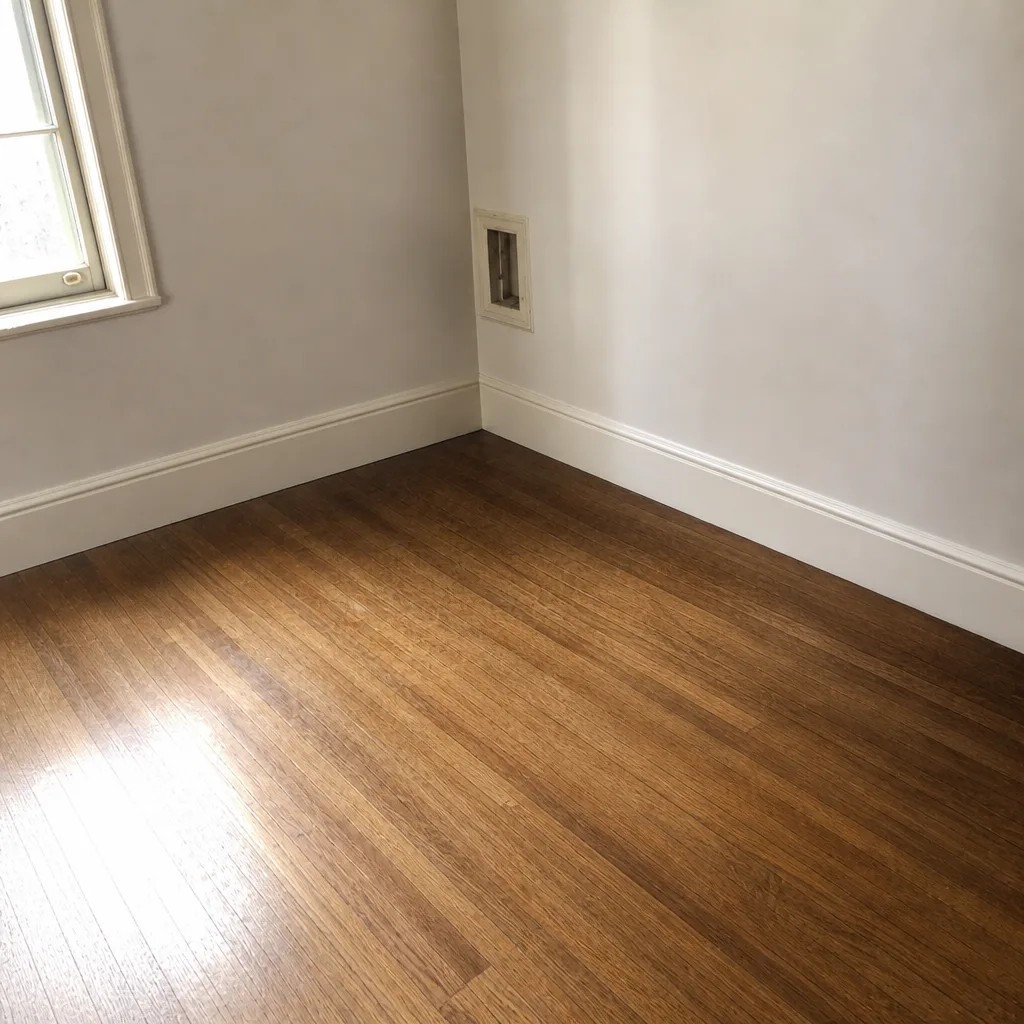
Before-and-after photos of your own ducts are the standard, and you should expect them without asking. A record of equipment used and areas cleaned, along with a walk-through of the accessible system, gives you a clear picture of what changed. Pair that with your own maintenance log for a complete baseline. Call (855) 337-2008 for an exact quote. Estimates are free.
Duct cleaning itself doesn’t typically require a permit, but repair or new duct work may be treated differently by the building and by your city’s building department. In a co-op, the building’s house rules and proprietary lease decide what approval you need for anything involving shared infrastructure. Ask your building manager before scheduling repair work that touches shared shafts or common areas.
Cleaning removes settled dust, debris, and microbial growth from the system, which can reduce the amount of particulate being circulated into your rooms. It’s not a medical treatment, and it won’t fix an unrelated air quality source, but a clean, sealed system is a better foundation for anyone managing allergies at home. If musty odor keeps returning, that’s worth an inspection, so call (855) 337-2008 for a free estimate.
The Bottom Line
A maintenance checklist for a Greenwich Village home has to start with the neighborhood’s own conditions: street-level traffic particulate, uneven building envelopes that pull outdoor air in unpredictable ways, and shared HVAC infrastructure in co-ops. Check your filter monthly and replace it when it’s dirty, run seasonal tasks tied to humidity and gas heating residue, keep a written log with photos so you have a baseline, and treat persistent odor, visible growth, and airflow drops as hands-off items for a professional. When work is needed, ask what equipment will be used, whether repair and sealing are available in the same visit, and expect before-and-after photos. Call (855) 337-2008. We answer 24/7. Fast dispatch from 7am to 7pm, Sunday through Friday.
Written by the team at Air Duct Cleaning Greenwich Village.